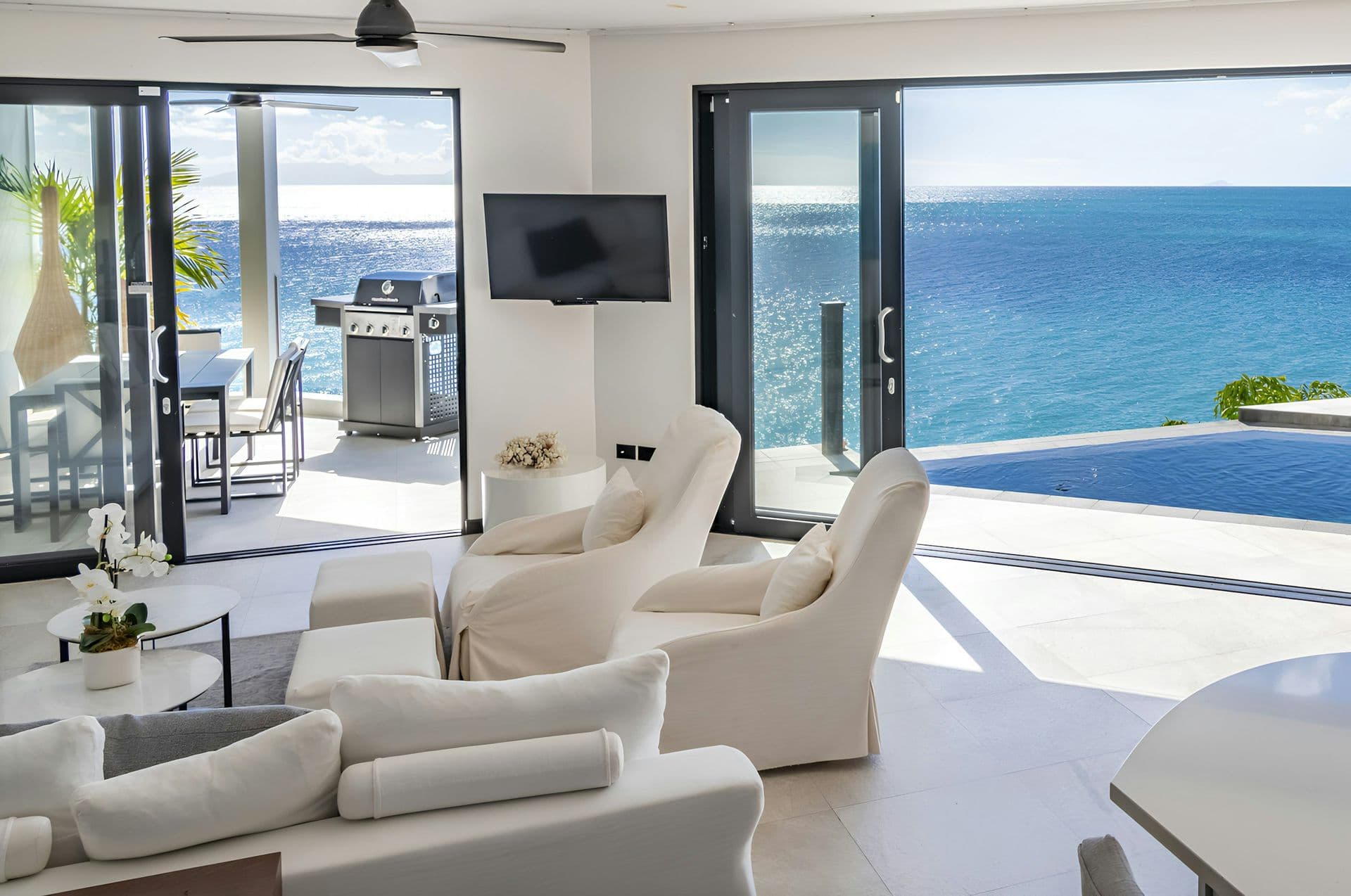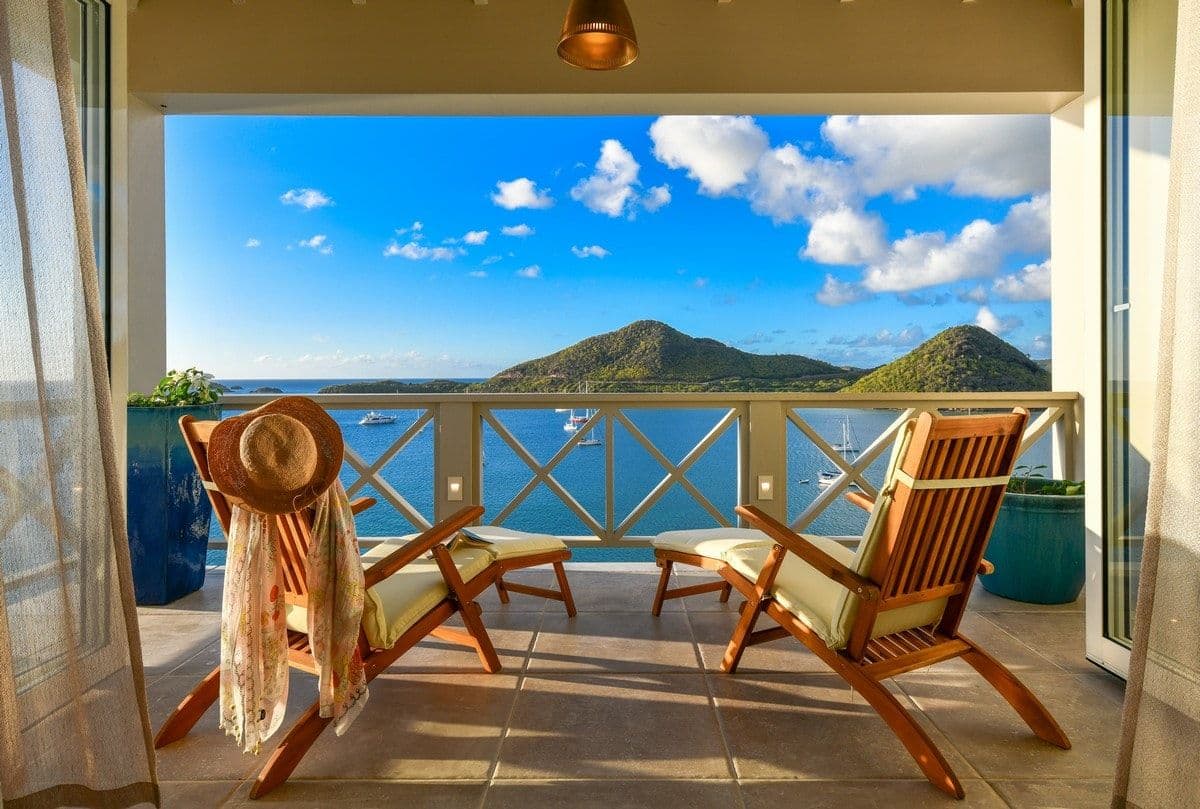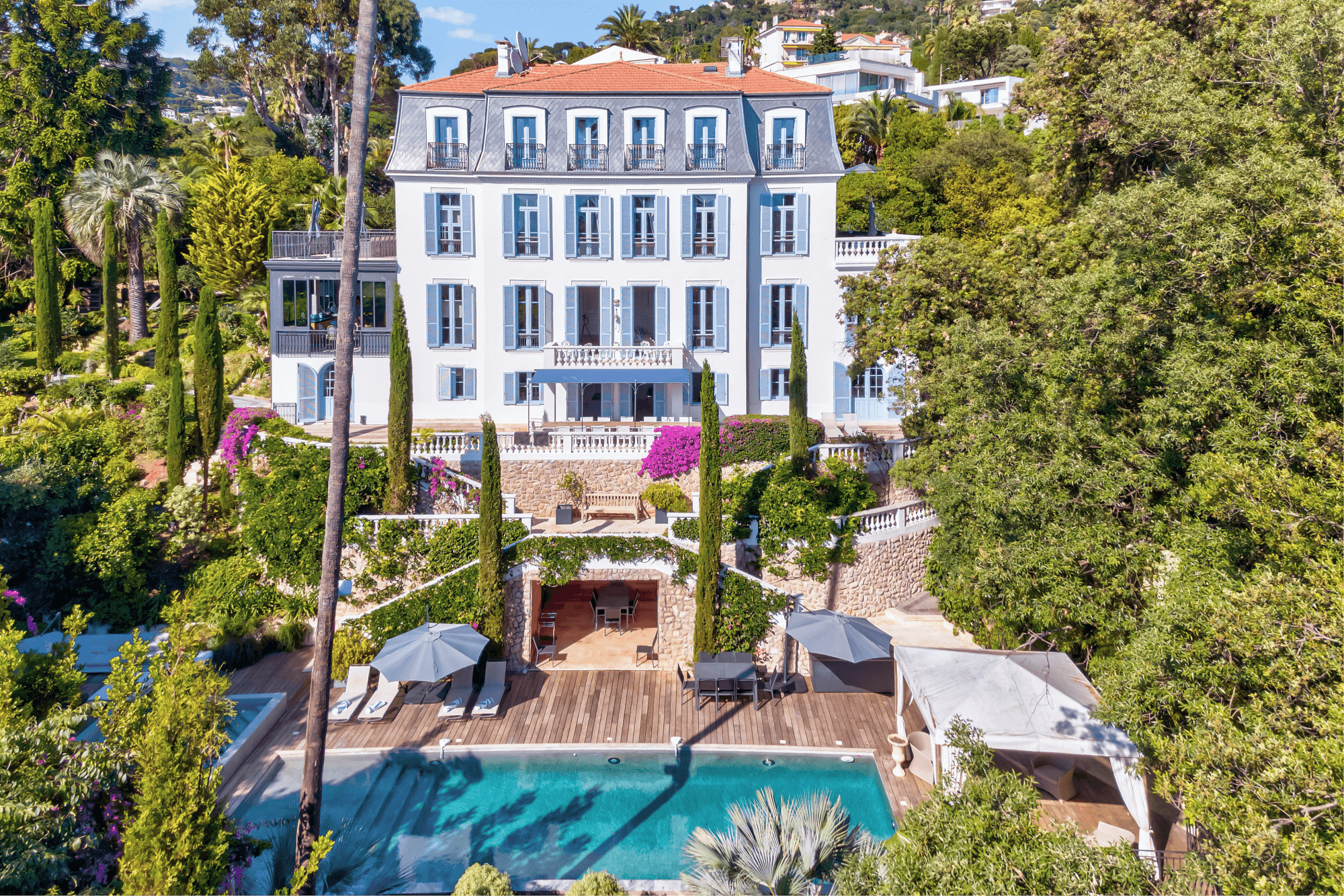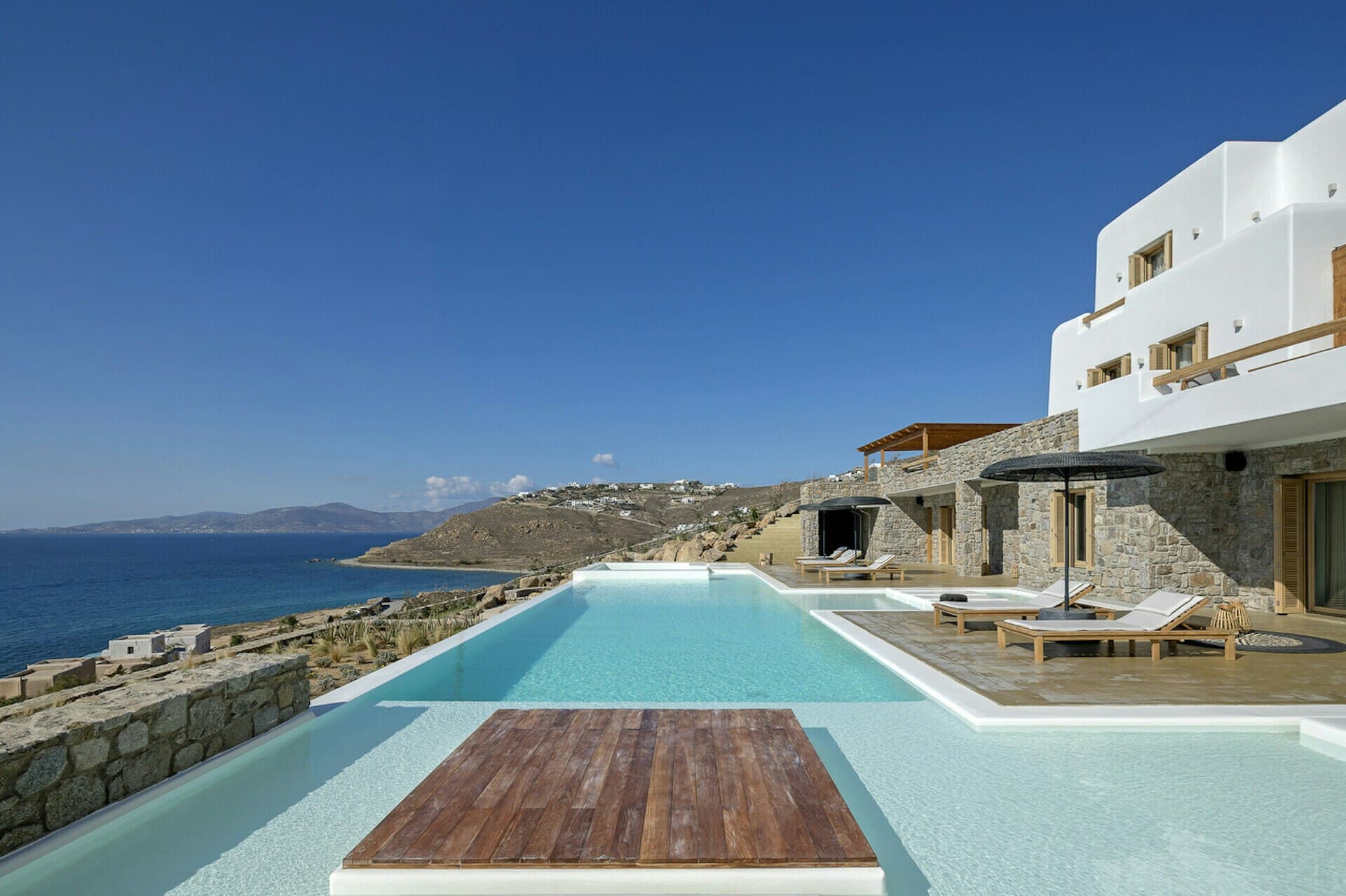
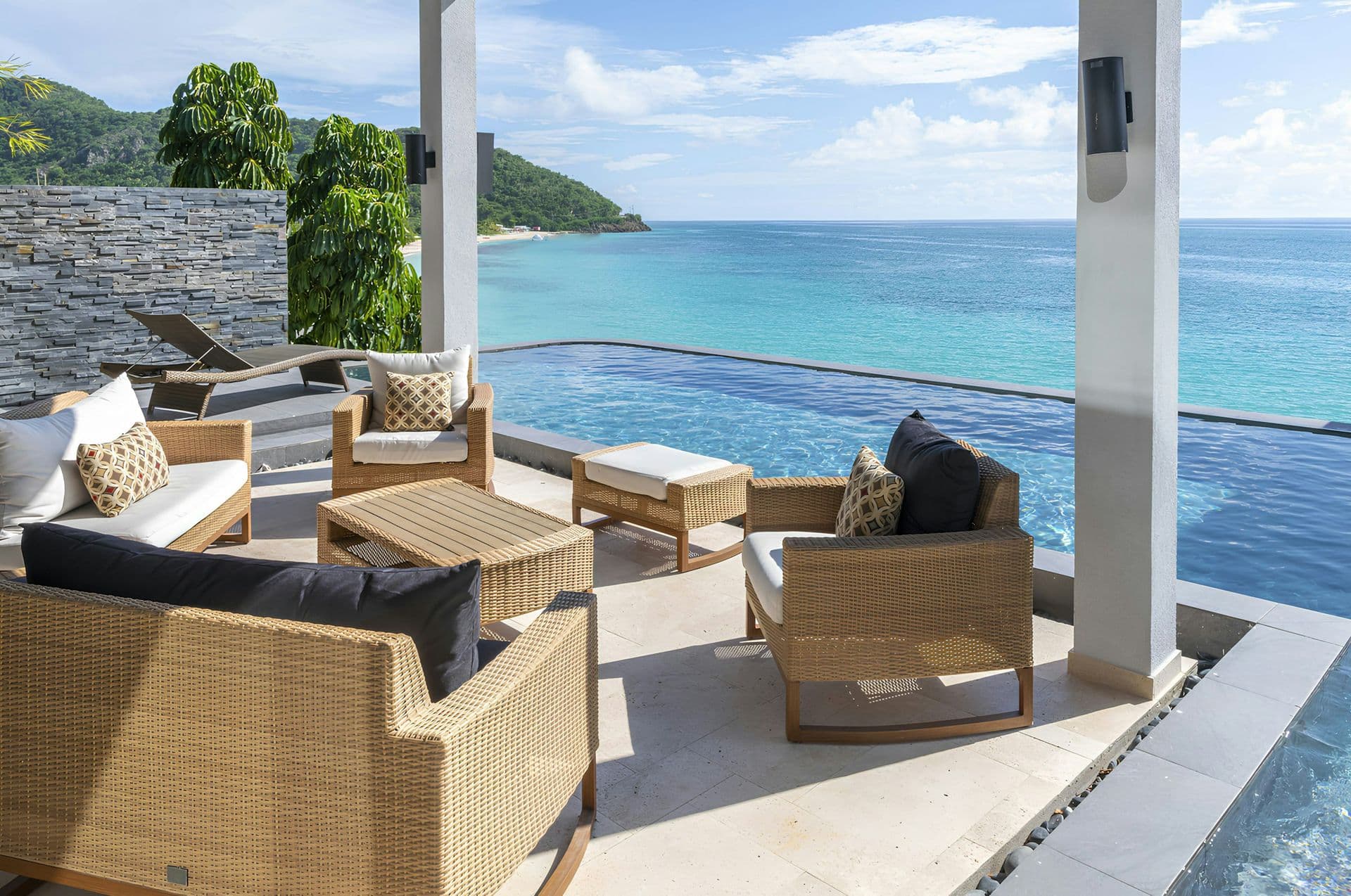
Antigua is the larger of the two islands that make up Antigua and Barbuda, an Eastern Caribbean nation known for a coastline said to hold 365 beaches, one for each day of the year. Our villas sit on the calm south-west coast, the sheltered side of the island, where the sand is pale and the water is flat and clear. The houses in our Antigua collection are within half an hour of the airport and a short drive from the best of the west-coast beaches. This guide covers where to base yourself, how the coasts differ, and when to come.
Antigua is a calm, low-key island rather than a lively one. It suits a quiet villa week: a beach in the morning, a long lunch at a bay-side shack, a sundowner from your own terrace. The sailing heritage and the Georgian dockyard give it a sense of history that most Caribbean beach destinations lack.
Where should you base yourself in Antigua?
The four areas below cover the island, from the sheltered west coast to the wild Atlantic east. Our villas sit on the west, the calmest side and the easiest base, with everywhere else within an hour by car.
The south-west coast: Jolly Harbour and Ffryes
This is where our villas sit. Jolly Harbour is a marina village on the west coast with a golf course, a handful of restaurants and a long beach. Ffryes Beach, just to the south, is one of the finest stretches of pale sand on the island, backed by low hills rather than hotels. The water on this coast is flat and sheltered, good for swimming with children. Hills of Antigua and Sunlight Breeze sit above Ffryes, and Sea Breeze Cove is at Jolly Harbour itself, closest to the marina restaurants.
English Harbour and the south
English Harbour is the historic heart of Antigua, a Georgian naval base restored as Nelson's Dockyard and listed by UNESCO in 2016. The yachting crowd gathers here, and the hills above hold some of the island's best restaurants. Shirley Heights, the old lookout above the harbour, holds a Sunday sunset gathering with a steel band and barbecue that is the one fixed event of an Antigua week. The south coast is a 30 to 40 minute drive from the west-coast villas.
The north-west: Dickenson Bay and St John's
Dickenson Bay, on the north-west corner, is the busiest beach on the island, lined with resorts and water sports. St John's, the capital, is close by, worth a morning for its market and cathedral, and the cruise dock brings shops and restaurants to the waterfront. Base yourself here for beach life with amenities on the doorstep, though the villas we like sit further south where it stays quieter.
The east coast: Half Moon Bay and the wild side
The east coast faces the Atlantic and the trade winds, wilder and emptier than the west. Half Moon Bay is the picture of it, a curve of pink-tinged sand with surf at one end and calm water at the other, a nature reserve rather than a resort strip. It is about an hour from the west coast, a day trip rather than a base, and the best beach on the island for a long walk. Caribbean Wonder sits toward this quieter side of the island.
How do you get to Antigua?
Fly into V. C. Bird International Airport, on the north of the island near St John's. It has direct flights from London in about eight and a half hours with British Airways and Virgin Atlantic, and connections from North America through Miami and New York. Every area in this guide is within 45 minutes of the airport, and the west-coast villas are about 30 minutes.
Hire a car, or arrange a driver through us. Antigua drives on the left, and the main roads are fine, though the lanes to individual beaches and villas can be rough. A car gives you the island's beaches, which are the reason to come. For a single-base stay on the west coast with the odd driver day out, you can manage without one.
When is the best time to visit?
December to April is the high season in Antigua, the dry and cooler half of the year. Trade winds keep the heat comfortable, rain is brief, and the sailing calendar runs through the spring, ending with Antigua Sailing Week in late April to early May. These are the months we recommend, and the months villas book earliest.
The Caribbean seasons invert the Mediterranean. Summer and autumn, June to November, are the low season and the hurricane season, hotter and more humid with a real chance of storms in September and October. Prices are at their lowest then, and early summer in particular can be calm and quiet. If you travel in the autumn, book with flexibility and take travel insurance that covers weather disruption.
What is Antigua good for?
Come for beaches and sailing above all. The 365-beach claim is a tourist-board line, but the point behind it holds: you can swim somewhere different every day, from the flat west-coast sand to the wild Atlantic curves in the east. The sailing heritage runs deep, and English Harbour gives the island a history that most Caribbean beach destinations lack.
The sister island of Barbuda adds the best day trip. A short flight or a boat crossing takes you to a near-empty island fringed by a 17-mile beach of faintly pink sand, with a frigate bird colony at Codrington Lagoon that is among the largest in the world. Few guests make the trip, which is exactly why it is worth making.
Days here are simple ones. A beach in the morning, lunch at a bay-side shack, a sundowner at Shirley Heights or on your own terrace. That is what makes it work for families and for couples who want to do very little, and why it rewards a longer, slower stay.
Frequently asked questions
Where is the best area to stay in Antigua?
The calm south-west coast, around Jolly Harbour and Ffryes, is the best base for a villa holiday. The water is flat and clear, the beaches are among the island's finest, and it sits about 30 minutes from the airport and 30 to 40 from the historic south at English Harbour. The east coast is wilder and works better as a day trip than a base.
How many days do you need in Antigua?
Seven nights is the natural length for a Caribbean villa week. That gives you time to settle, work through a handful of beaches, take a day at English Harbour and Shirley Heights and a boat trip, without feeling you have to fill every day. Many guests come for ten nights or two weeks and simply slow down.
Do you need a car in Antigua?
It depends on how you like to travel. A hire car gives you the island's beaches, which is the main reason to come, and Antigua drives on the left with reasonable main roads. If you would rather not drive, arrange a driver through us for airport transfers and day trips and stay close to your villa's beach the rest of the time.
When is hurricane season in Antigua?
The Atlantic hurricane season runs from June to November, with the highest risk in September and October. Serious storms are far from guaranteed in any given year, and early summer is often calm, but the risk is real in the autumn. If you travel then, book with flexibility and take travel insurance that covers weather disruption.
Is Antigua good for families?
Yes. The sheltered west-coast beaches have flat, clear water that suits younger children, and villa pools give a base for the middle of the day. The island is calm and low-key rather than lively, the drives are short, and a private villa with a cook, which we can arrange, takes the work out of a family week.