
The Austrian Alps run across the west and south of the country, and the Arlberg, on the border of Vorarlberg and Tyrol, is the largest linked ski area in Austria. This is the part of the range we send most guests to in winter, along with a quieter corner of the southern Alps in Carinthia. The chalets in our Austrian Alps collection sit in both: the smart Arlberg resorts of Lech and St Anton, and the calmer lake-and-mountain country to the south. This guide covers where to base yourself, how the areas differ, and when to come.
The Austrian Alps work in both seasons. Winter is the headline, with reliable high-altitude snow from December to April, but the same valleys turn green and quiet from June, with hiking, lakes and cool mountain air through the summer. A catered chalet suits either season, and the same houses that work for a ski week work just as well as a summer mountain base.
Where should you base yourself in the Austrian Alps?
The three areas below run from the polished Arlberg resorts to the quiet southern lakes. Most winter guests choose Lech or St Anton for the skiing, and the Carinthian option is the one for a calmer stay or a summer trip.
Lech and the Arlberg: the quiet luxury end
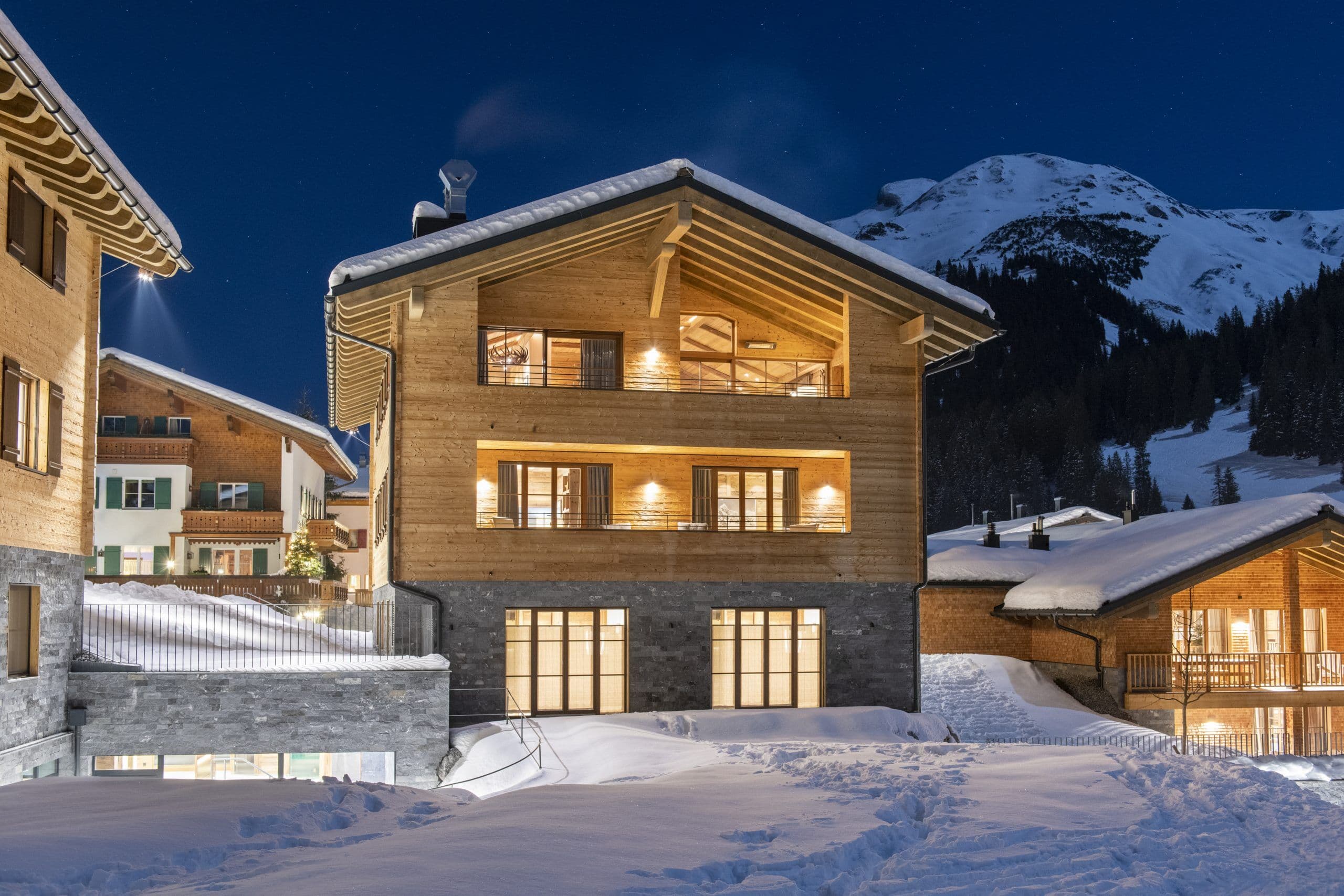
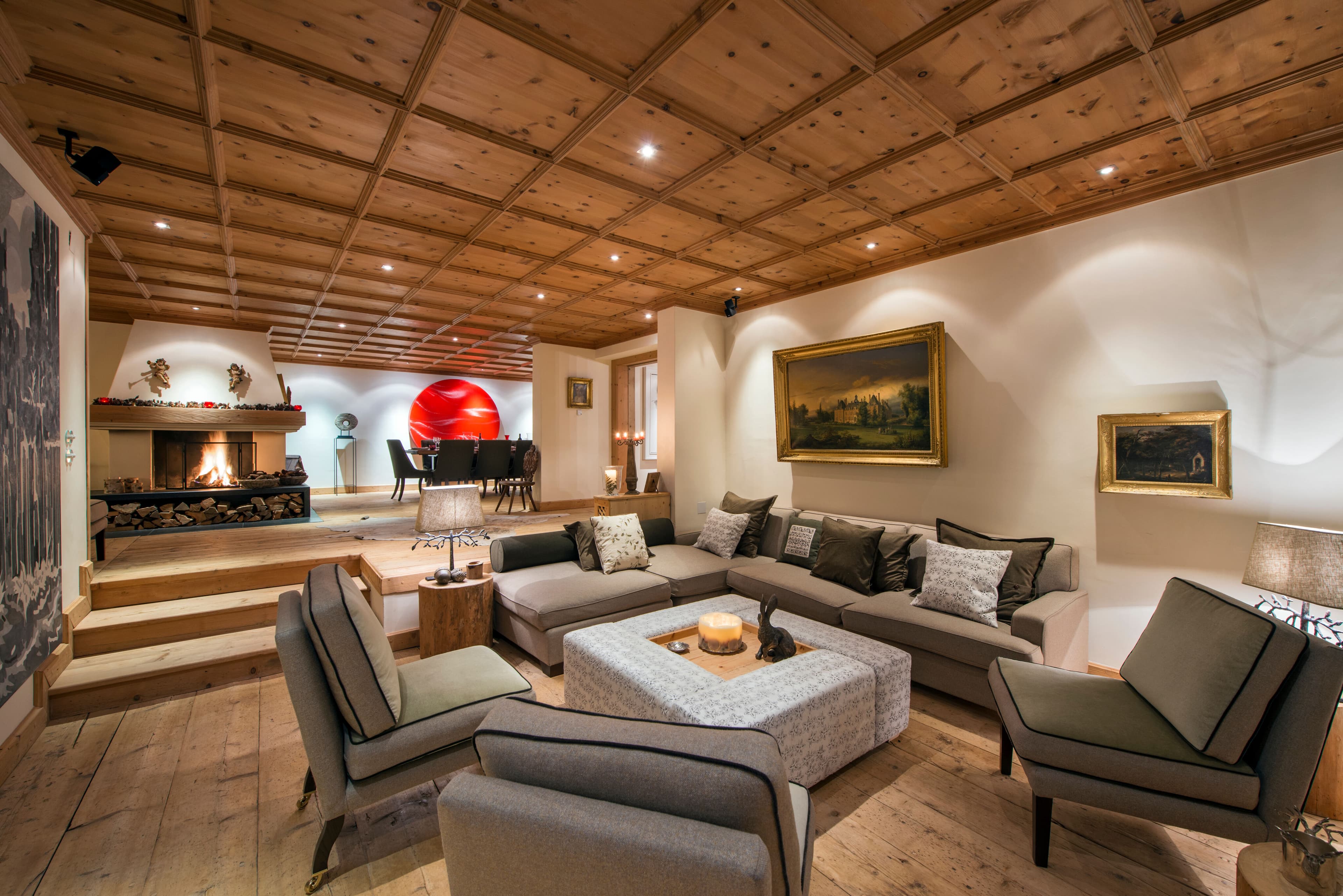
Lech is the refined end of the Arlberg, a village in Vorarlberg that has kept its low-built, traditional look and a strict cap on beds. It shares the Ski Arlberg area, Austria's largest, with neighbouring Zürs and with St Anton over the pass, around 300 kilometres of linked pistes on one pass. Lech suits guests who want serious skiing by day and a calm, upmarket village by night rather than a party. Chalech S sits here, a ski-season base for the Arlberg.
St Anton am Arlberg: skiing and après-ski
St Anton, over the Arlberg pass in Tyrol, is the livelier neighbour, long known for demanding terrain and the busiest après-ski in Austria. The skiing is the same linked Arlberg area as Lech, but the mood in the village is louder, the bars fuller, the crowd younger. Base yourself here for the best of both, hard skiing and a night out on the same doorstep. Chalet Maria Schnee is our chalet in St Anton.
Since 2016 a cable car, the Flexenbahn, has joined Lech and Zürs directly to St Anton by lift, so the whole Arlberg skis as one circuit. Strong skiers follow the Run of Fame, a signed route of around 85 kilometres that crosses the area end to end in a day, with long red runs, high open bowls and some of the best lift-served off-piste in Europe. It is the main reason the Arlberg stands above most other Austrian resorts for a serious ski week. The rest of our Austria collection sits in the same western and southern mountains.
Carinthia and the southern Alps: the quiet side
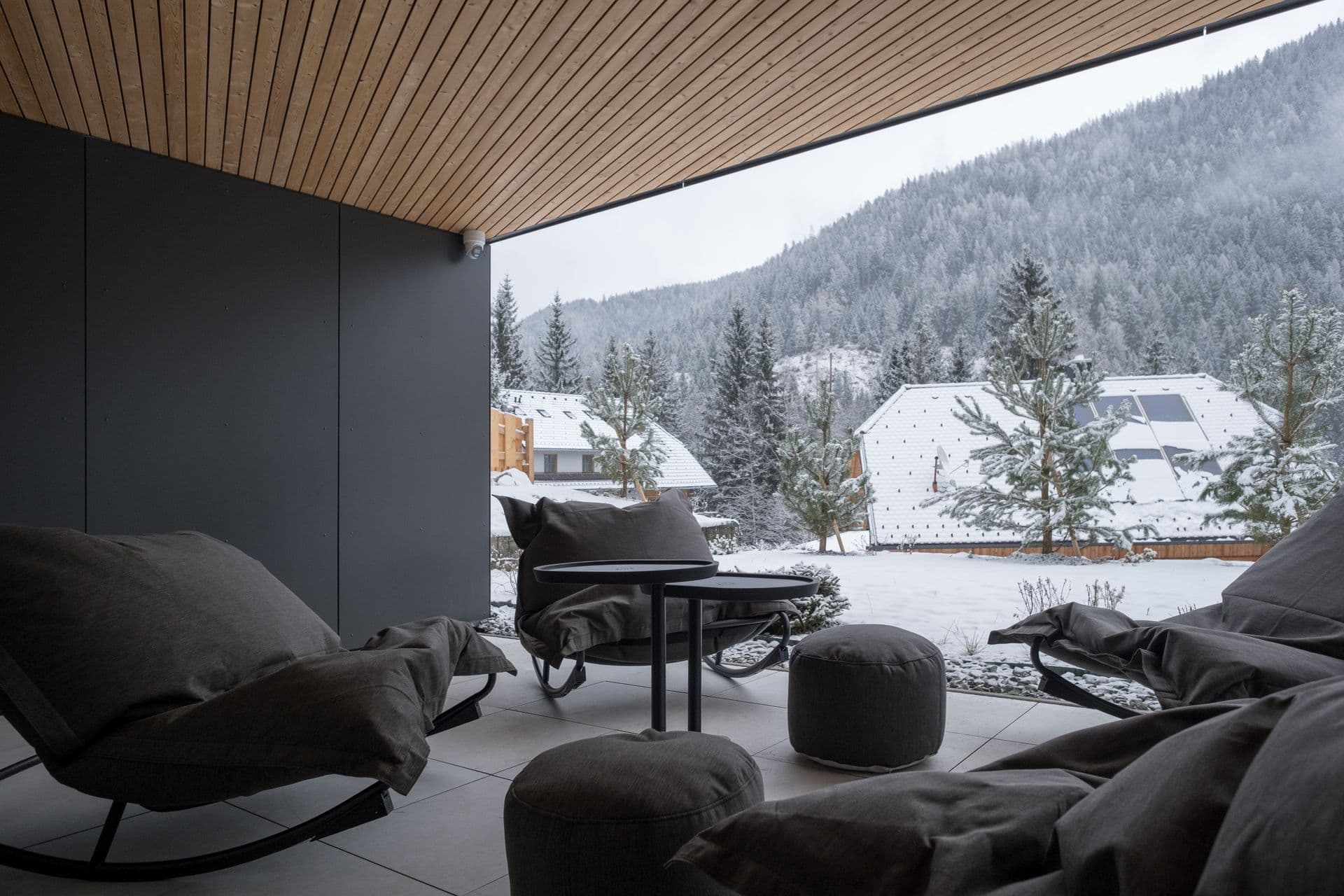
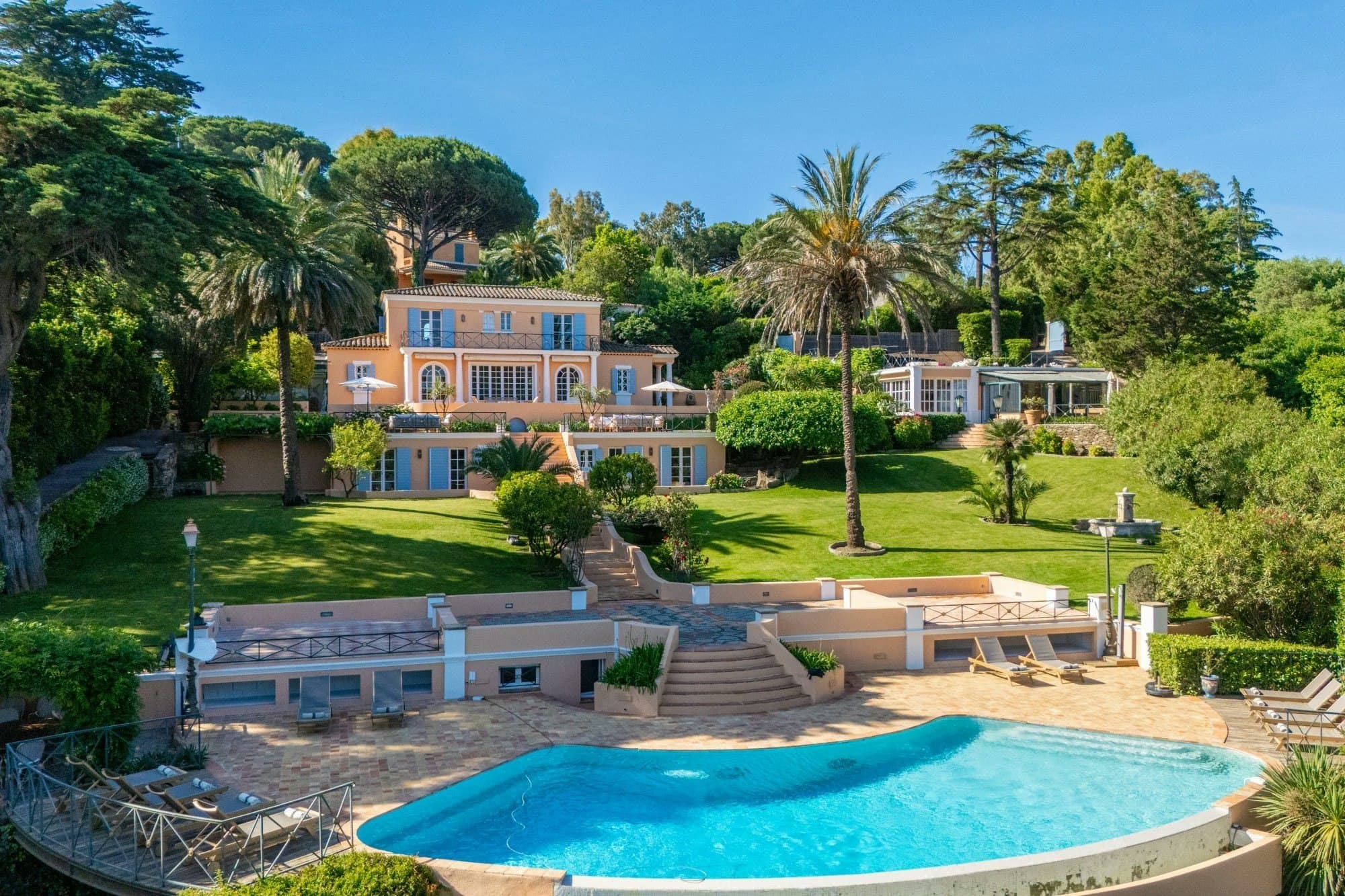
Carinthia, in the south, is a different Austria: lower, softer mountains, warm summer lakes and a fraction of the winter crowds. The ski areas here, around Bad Kleinkirchheim and the Nockberge, are gentler and family-friendly, and the region is at its best in summer, when the Millstätter See and Wörthersee are warm enough to swim. Sauna & Snowfall sits near Paternion, the choice for a quieter winter or a green-season stay.
How do you get to the Austrian Alps?
For the Arlberg, fly into Innsbruck, the closest airport, about 1 to 1.5 hours by road from Lech and St Anton. Zurich is the common alternative, a little over two hours away, with more long-haul and winter charter flights. There is also a direct train to St Anton on the main line, which some guests prefer to a road transfer in deep snow.
For Carinthia, Klagenfurt is the local airport, though many guests fly to Salzburg or Ljubljana in Slovenia and drive. A hire car makes more sense in the south, where the pleasures spread across valleys and lakes. In the Arlberg resorts you can manage without one, since the villages are walkable and the lifts start in the centre.
When is the best time to visit?
For skiing, December to April is the season, with the most reliable snow in January, February and March. The Arlberg sits high, so its snow record is among the best in the Alps, and late-season skiing into April is often good. Christmas, New Year and the February half-term are the busiest and priciest weeks, and chalets book close to a year ahead for them.
For summer, June to September is the green season, quieter and much cheaper, with hiking, warm lakes in the south and cool air when the cities are hot. It is a different holiday, slower and outdoors, and a good one for families who do not ski. May and late autumn are the between-times, when many mountain lifts and restaurants close.
What are the Austrian Alps good for?
In winter, come for the skiing above all, and for the Arlberg in particular, which has the range and the snow record to satisfy strong skiers across a full week. The villages add the rest: long lunches on sunny terraces, spa afternoons and, in St Anton, a night out. Austrian mountain service is warm and polished, and a catered chalet turns a ski week into something closer to a private hotel.
In summer, the same mountains are for walking, cycling and the lakes of the south. The Carinthian lakes are the warmest in the Alps, reaching the mid twenties in July and August, so a southern base combines mountain walks in the morning with a swim in the afternoon. It is one of the cooler, calmer choices in Europe in high summer, when the Mediterranean is hot and busy. Either way, the draw is the mountains themselves, high and well kept, with a chalet as the base.
Frequently asked questions
Where is the best place to stay in the Austrian Alps for skiing?
The Arlberg is the first choice for a serious ski week. Lech is the calmer, more upmarket base and St Anton the livelier one, and both share the same large linked ski area on one pass. Pick Lech for a quiet, polished village and St Anton for demanding terrain and après-ski. Innsbruck airport is around 1 to 1.5 hours from either.
Is Lech or St Anton better?
They share the skiing, so the choice is about mood. Lech is quieter, smarter and lower-key in the evening, better for families and for guests who want an early night after a hard day. St Anton is louder and younger, with the busiest après-ski in Austria. Many guests who have skied both prefer Lech to sleep and St Anton to go out.
When is the ski season in the Austrian Alps?
The season runs from December to April, with the most reliable snow from January to March. The Arlberg sits high and holds its snow well, so late-season skiing into April is often good. The Christmas, New Year and February half-term weeks are the busiest, and chalets for them book close to a year ahead.
Are the Austrian Alps worth visiting in summer?
Yes. From June to September the same valleys are green and quiet, with hiking, cycling and warm lakes in the south around Carinthia. It is a cooler, calmer holiday than the Mediterranean in high summer, and much cheaper than the ski weeks, which makes it a good choice for families who do not ski.
Do you need a car in the Austrian Alps?
In the Arlberg resorts of Lech and St Anton you can manage without one, since the villages are walkable and the lifts start in the centre, and there is a direct train to St Anton. In Carinthia and the southern Alps a hire car makes more sense, because the lakes, villages and walks spread across valleys.