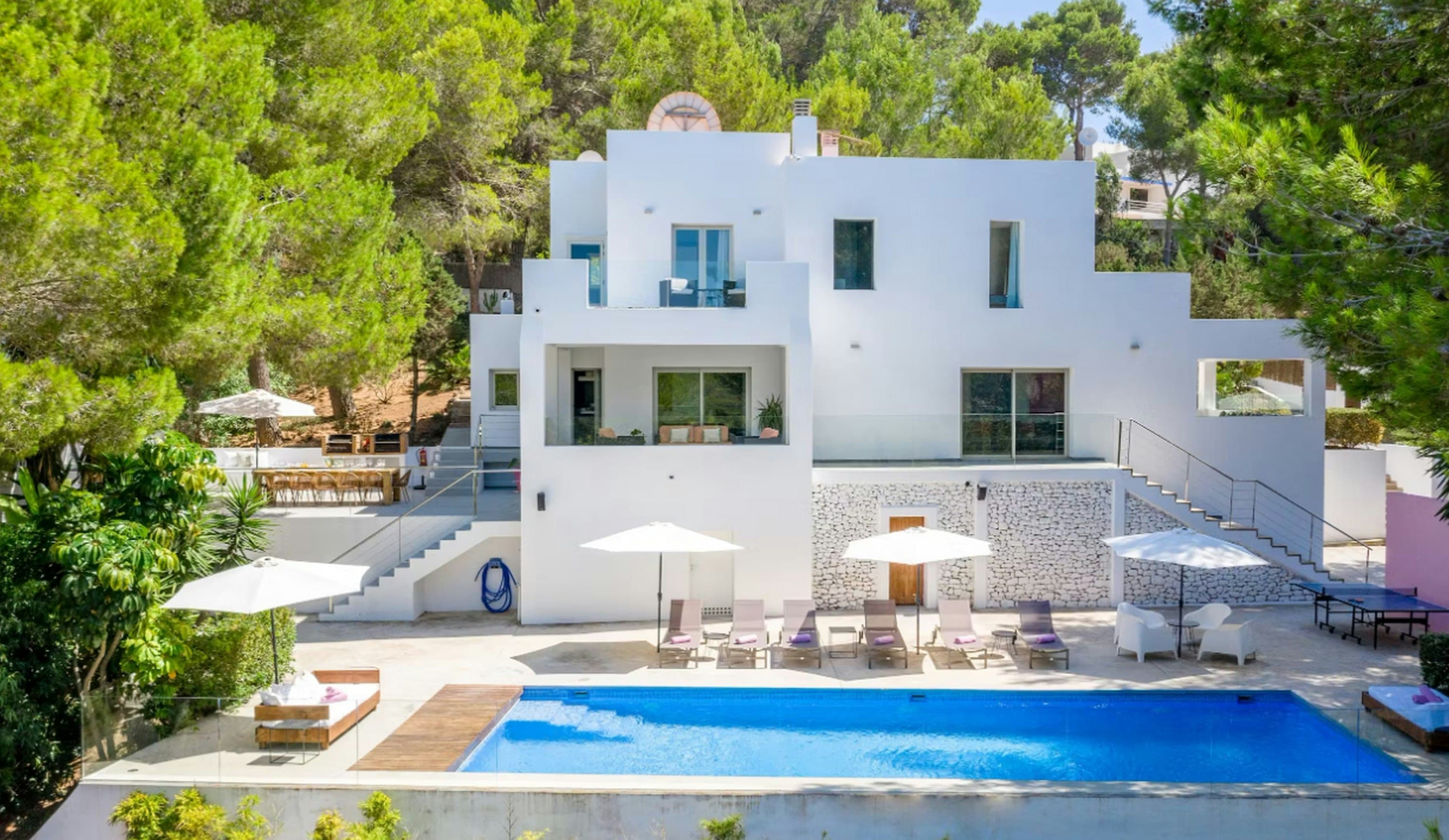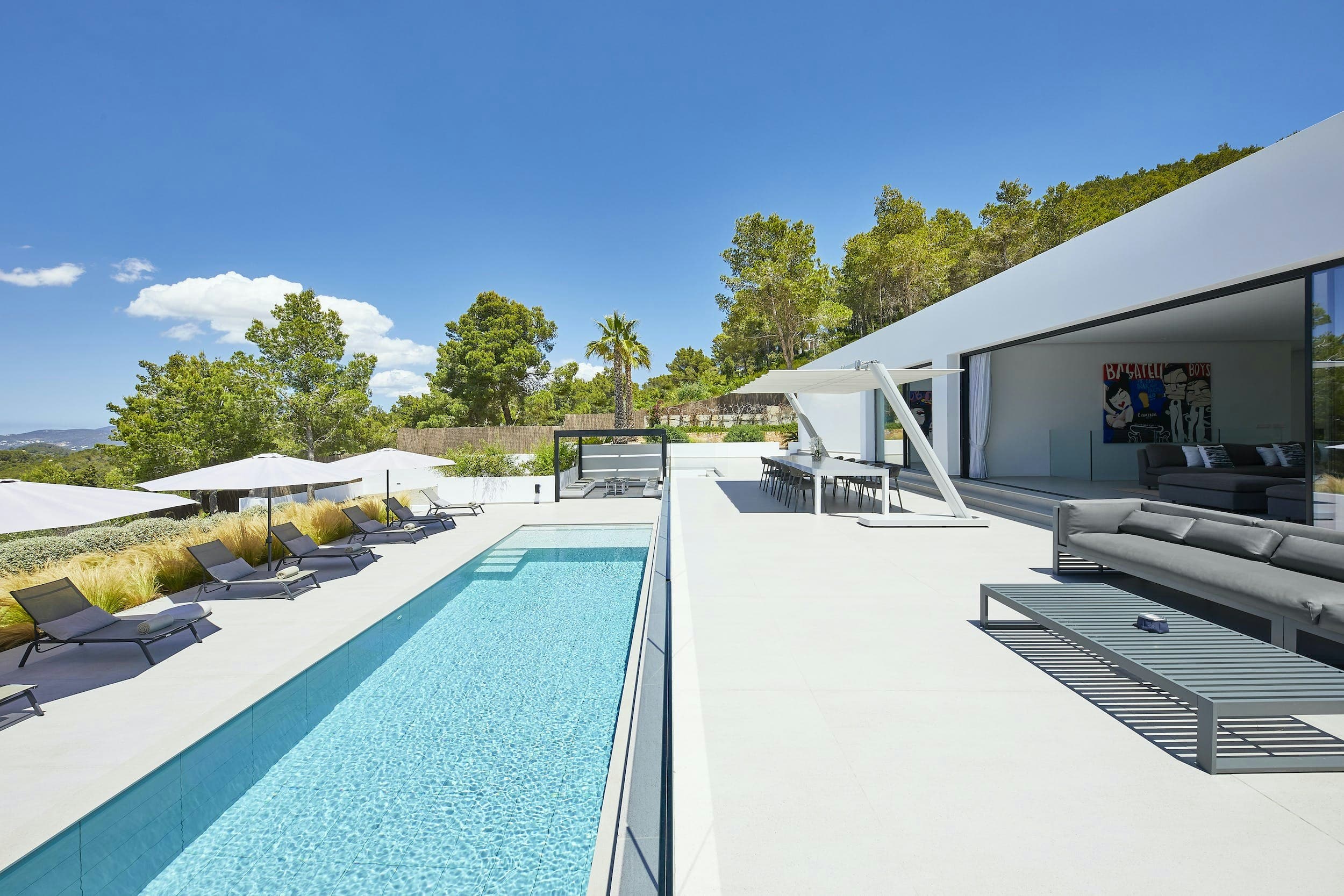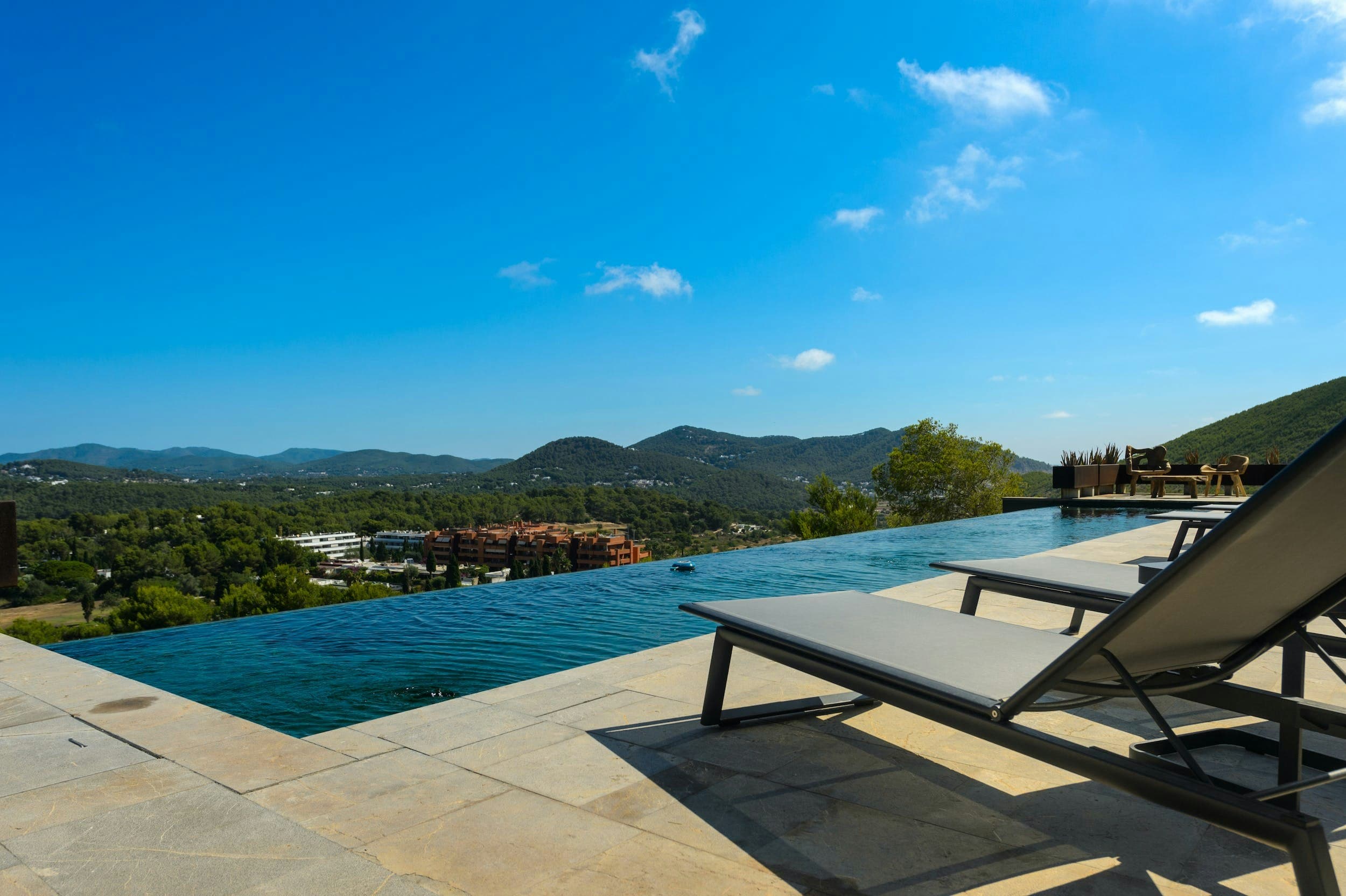
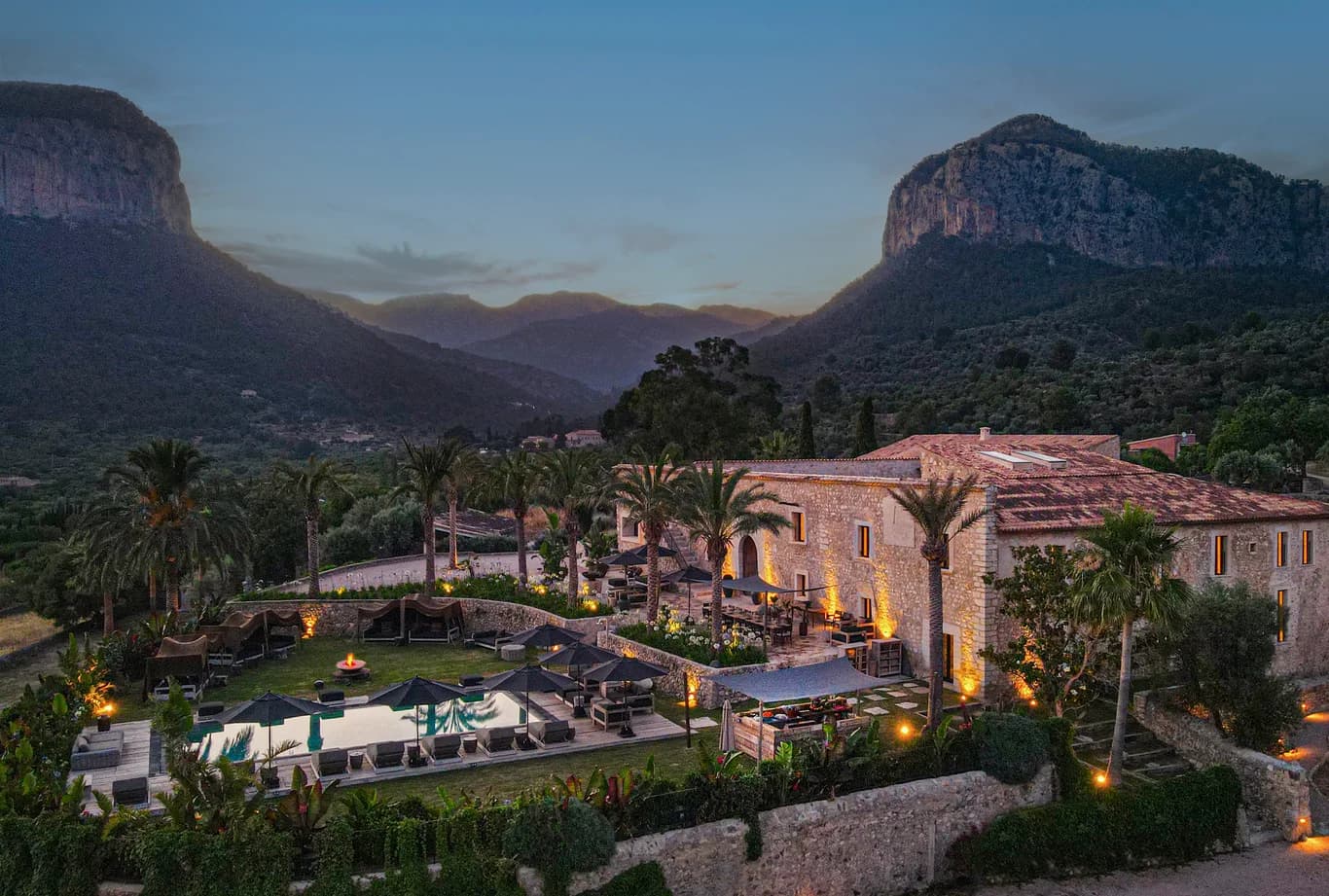
Majorca spans roughly 3,640 square kilometres, making it the largest of Spain's Balearic Islands and one of the Mediterranean's most varied destinations for a private villa stay. Its landscape shifts from the limestone peaks of the Serra de Tramuntana to the flat, almond-dotted plains of Es Pla and the sheltered coves of the eastern coast. That variety means the best time to visit Majorca depends entirely on how you want to spend your days. We have returned to the island across every season, and each visit has reshaped our understanding of what it can offer. If you are beginning to plan, our curated collection of villas in Majorca is a good starting point for seeing what is available across the island's distinct regions.
What follows is a season-by-season and area-by-area guide to help you match the right time and the right corner of the island to your trip. We cover Majorca weather by month, the rhythms of villa availability and the practical details that make the difference between a good holiday and a great one.
What does the Majorca villa season look like?
The core Majorca villa season runs from late April through to mid-October, with peak demand concentrated in July and August. Outside those months, many rural fincas and coastal properties close for winter maintenance, though an increasing number of year-round rentals in and around Palma keep the island viable for off-season travel.
Spring and autumn remain the most rewarding windows for villa guests who value space, lower rates and comfortable temperatures. We consistently recommend May, June, September and early October to travellers who want the full experience without competing for restaurant tables or beach umbrellas.
Winter, from December through February, brings cooler temperatures (10 to 15°C during the day) and occasional rain, but the Serra de Tramuntana is extraordinary in this light. Palma also comes alive with a local energy that the summer months tend to obscure.
When is the best time to visit Majorca for warm weather?
June through September delivers reliably warm to hot weather across the island, with average highs between 28°C and 33°C and very little rainfall. July and August are the hottest months, regularly exceeding 34°C in interior areas like Inca and Sineu.
Is June or September better for a villa stay?
Both months share similar temperatures (around 27 to 30°C), but they feel quite different on the ground. June has slightly longer daylight hours and a freshness to the landscape after the spring rains. Bougainvillea is at its peak, the sea temperature has climbed to around 22°C, and the island's outdoor dining scene is in full swing without the density of high summer.
September brings warmer sea temperatures (typically 25 to 26°C), softer light and the first hints of autumn colour in the Tramuntana. Villa rates tend to drop noticeably after the first week of September, making it one of the strongest value periods of the year. We find September particularly appealing for couples. If that describes your trip, our guide to where to stay in Mallorca for couples goes deeper into the most romantic corners of the island.
What about July and August?
These are the busiest and most expensive months. Families with school-age children often have no other option, and Majorca handles high season with more grace than many Mediterranean islands. The key is booking early and choosing your area carefully. The southeast coast between Cala d'Or and Porto Cristo can feel crowded, while the northwest (Deià, Valldemossa, Sóller) maintains a calmer rhythm even at peak capacity.
Pool-equipped villas become essential in July and August. Daytime temperatures make sightseeing uncomfortable between noon and 4pm, so a villa with good outdoor space, shade and a private pool transforms the trip. Many of our guests plan their days around early morning markets, long lunches and late afternoon beach visits during these months.
What is Majorca like in spring?
Spring arrives early in Majorca. By mid-February, the almond trees across Es Pla and the foothills of the Tramuntana are in full blossom, carpeting the landscape in white and pale pink. March and April bring wildflowers, mild temperatures (16 to 22°C) and the reopening of many rural properties.
Is April too early for a beach holiday?
April sea temperatures hover around 16 to 17°C, which is too cold for most swimmers. But the beaches themselves are beautiful and largely empty, perfect for walking and reading rather than swimming. Outdoor pools at private villas may not yet feel inviting unless heated, so we always advise guests to check whether a property has a heated pool if an April visit is planned.
The real appeal of April is what happens away from the coast. The Tramuntana is ideal for hiking, with trails like the Dry Stone Route (GR 221) at their most walkable. Cycling season is well under way, and the roads between Pollença, Artà and Llucmajor hum with serious riders. Restaurants in Palma and the interior towns are open and welcoming without the queues that build from June onward.
Does May hit the sweet spot?
We think so. May combines warm days (22 to 26°C), increasingly swimmable seas (around 19 to 20°C by late May) and a villa market that has not yet reached peak pricing. The island feels alive but unhurried. Markets in Sineu, Inca and Santanyí are full of local produce, and the light is extraordinary for anyone interested in photography or painting.
May is also when Majorca's villa inventory opens up fully. Properties that close for winter have completed their spring preparation, gardens are lush and staff teams are fresh. For groups booking larger fincas in the Artà or Alaró areas, May often represents the best combination of availability, weather and price.
How does autumn compare across the island?
October is one of Majorca's most underrated months. Temperatures remain warm (20 to 25°C), the sea holds its summer heat well into mid-October, and the island empties noticeably after the first week. We have spent some of our favourite days on the island during October, eating long lunches in near-empty restaurants in Deià and swimming at Cala Varques without another person in sight.
When does the season truly end?
Most coastal villa rentals wind down by the end of October. November brings the first sustained rainfall and cooler nights (dropping to 10 to 12°C). The Serra de Tramuntana receives the bulk of the island's precipitation between November and February, and some mountain roads become less reliable.
That said, Palma operates year-round. The city's cultural calendar picks up in autumn with exhibitions at Es Baluard, performances at the Teatre Principal and the opening of seasonal menus at restaurants like Marc Fosh and Aromata. A well-located apartment or townhouse villa in the old town makes for an excellent autumn city break, particularly for travellers who enjoy European cities in their quieter moments.
For those weighing up alternative autumn destinations in the western Mediterranean, Ibiza's seasonal guide covers similar territory and may help you decide between the two Balearic options.
Which part of Majorca suits each type of villa traveller?
Majorca divides naturally into five or six distinct areas, each with its own character and microclimate. The right match depends on your priorities: coast or mountain, seclusion or sociability, rustic or contemporary.
The Serra de Tramuntana and the northwest
The mountain range that runs along the island's northwest coast holds Majorca's most dramatic scenery and its most characterful villages. Deià, Valldemossa, Fornalutx and Sóller sit among terraced olive groves and pine-covered slopes. Villas here tend to be traditional stone fincas with thick walls, shaded terraces and views down to the sea. Access from Palma airport takes 30 to 50 minutes depending on the village.
This area suits couples and small groups who prioritise landscape, walking and gastronomy over beach access. The coast is reachable (Cala Deià is a 10-minute drive from the village) but the terrain is steep, and the beaches are rocky rather than sandy.
Palma and the southwest
Palma is a proper Mediterranean city: cathedral, galleries, excellent food, and a compact old town that rewards aimless walking. The southwest coast stretching from Portals Nous to Camp de Mar attracts travellers who want polish and proximity, with some of the island's most contemporary villa architecture and easy access to beach clubs and marinas.
Palma airport sits just 10 to 15 minutes from the city centre, making this the most convenient base on the island. Villa travellers staying in or near Palma often combine a few days in the city with excursions to the Tramuntana or the eastern beaches.
The northeast: Pollença, Alcúdia and Artà
This corner of Majorca feels slightly different from the rest of the island: broader landscapes, longer beaches and a quieter pace. The town of Pollença has a strong cultural identity, with a well-known music festival each July and August, while Alcúdia's old walled town rewards exploration. Artà, further east, remains one of the island's most authentic market towns.
Family villas in this region tend to offer generous grounds, often with separate guest houses or annexes. Drive time from the airport is 45 to 60 minutes. The area works well for groups of eight or more who need space and do not mind being a short drive from the coast.
The southeast coast
The stretch from Santanyí down to Cala Figuera and across to Porto Cristo is where Majorca's famous calas (coves) concentrate. Turquoise water, white sand and pine-fringed cliffs define this coastline. Villas here range from modern builds with infinity pools to older farmhouses set back from the shore.
Families and groups who want daily beach access tend to gravitate here. During July and August, the most popular calas (Cala Llombards, Cala Mondragó, Es Trenc) fill up by mid-morning, so an early start pays off. The area is roughly 45 to 55 minutes from the airport.
How does Majorca compare with other Mediterranean villa destinations?
Majorca shares its season structure with much of the western Mediterranean, but it tends to warm up slightly earlier than the Greek islands and cool down a little later than the French Riviera. The island's infrastructure is also more developed than many comparable destinations, with reliable roads, excellent restaurants across all price points and a well-connected airport receiving direct flights from most major European cities.
If you are comparing options across Spain more broadly, Majorca sits between Ibiza's more social energy and Menorca's quieter disposition. The island can accommodate both, depending on which area you choose. Travellers weighing up Mediterranean alternatives might also consider the Dalmatian Coast for a similar blend of coast and culture, or Tuscany for a countryside-focused villa stay with a different but equally compelling rhythm.
A month-by-month summary of Majorca weather
January and February: Cool and quiet. Average highs of 14 to 15°C. Almond blossom from mid-February. Ideal for Palma city breaks.
March: Temperatures climb to 17 to 18°C. Wildflowers begin. Early cycling season. Some villas begin reopening.
April: 19 to 22°C. Excellent for hiking and cultural travel. Sea still cold. Book heated-pool villas if swimming matters.
May: 22 to 26°C. The island opens fully. Strong villa availability. Warm enough for outdoor dining every evening.
June: 27 to 30°C. Peak conditions. Sea temperature comfortable. Excellent across all areas.
July and August: 30 to 34°C. Hottest months. Peak pricing and demand. Book six to twelve months ahead for top villas.
September: 26 to 29°C. Warm sea. Quieter beaches. Rates begin to drop. One of our top recommendations.
October: 21 to 25°C. Gentle warmth. Ideal for food and wine focused trips. Season winds down late in the month.
November and December: 14 to 18°C. Cooler, wetter. Limited villa availability outside Palma. Good for slow city travel.
Frequently asked questions
What is the best month to visit Majorca for a villa holiday?
June and September consistently deliver the best balance of warm weather, comfortable sea temperatures, manageable crowds and reasonable villa pricing. June edges ahead for daylight hours and landscape colour, while September wins on sea temperature and value. Both avoid the intensity of July and August.
When is the cheapest time to rent a villa in Majorca?
Villa rates are lowest from November through March, though availability shrinks considerably as many properties close for winter. For the best value during the active season, the first two weeks of May and the last two weeks of September to early October typically offer meaningful savings compared to June through August.
Is Majorca too hot in August?
Interior areas regularly exceed 34°C in August, and some days push beyond 37°C. Coastal areas benefit from sea breezes but still feel very warm. A villa with a private pool, good shade and air conditioning makes August entirely manageable, but guests who prefer active sightseeing and hiking will find the heat limiting during midday hours.
How far in advance should we book a Majorca villa?
For July and August stays, we recommend booking six to twelve months ahead, particularly for larger properties or those in high-demand areas like Deià and the southeast coast. May, June and September bookings can often be secured three to six months in advance, though the best-located villas in the Tramuntana still go quickly. Shoulder season travel (April and October) allows more flexibility, with good options available two to three months out.
Can we visit Majorca in winter?
Palma is a genuinely enjoyable winter destination, with mild temperatures, a rich food scene and cultural attractions that are easier to enjoy without summer crowds. Rural areas are quieter and some services close, but a well-equipped villa or apartment in the city provides a rewarding base. The Serra de Tramuntana is beautiful in winter light, though hikers should prepare for rain and check trail conditions.
Is Majorca suitable for a family villa holiday?
Majorca is one of the best family villa destinations in the Mediterranean. The island has safe, shallow beaches (particularly around Alcúdia and the northeast), a reliable road network, family-friendly restaurants and a wide range of villas with pools, gardens and multiple bedrooms. The airport is well served by direct flights across Europe, and drive times to most villa areas stay under an hour.