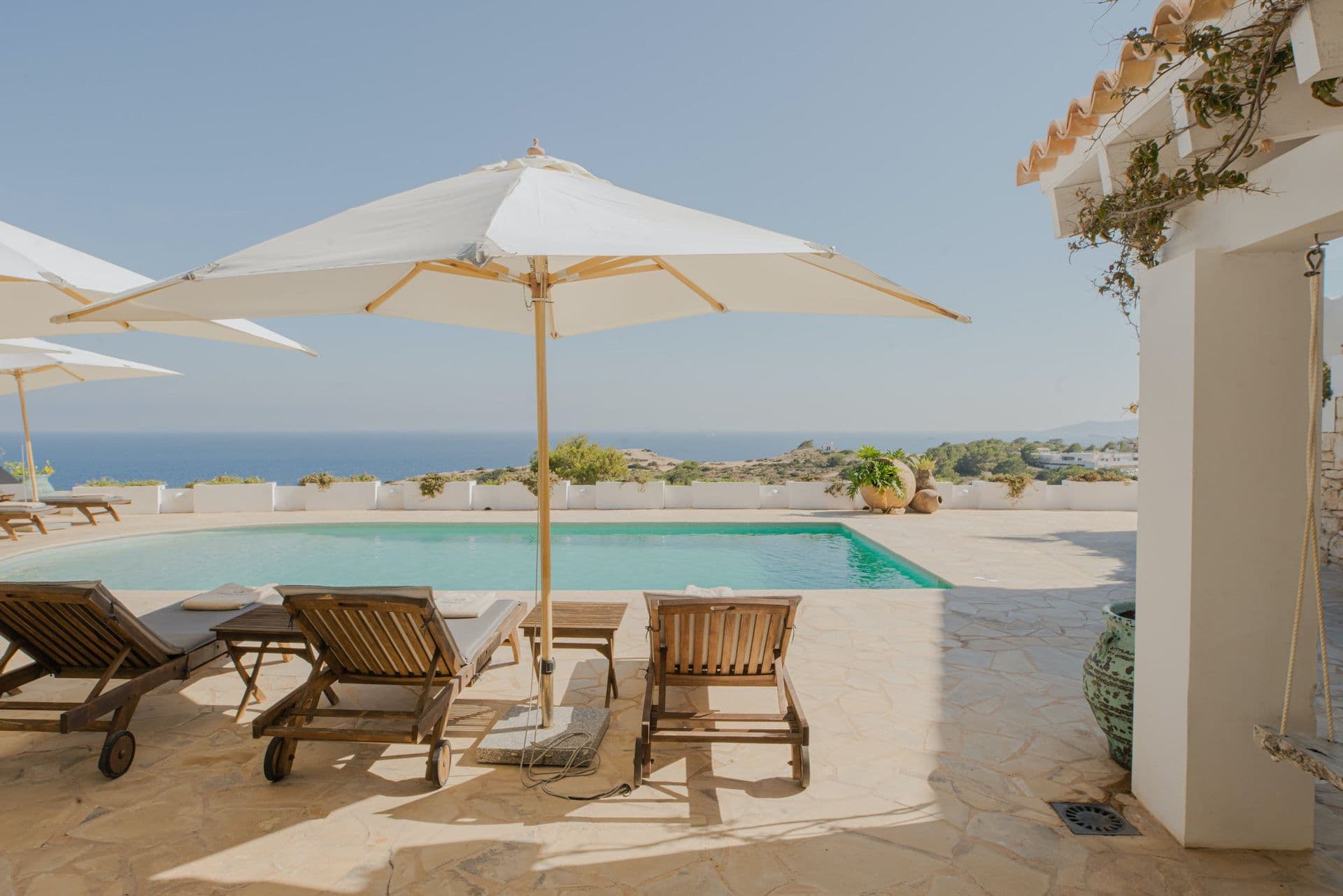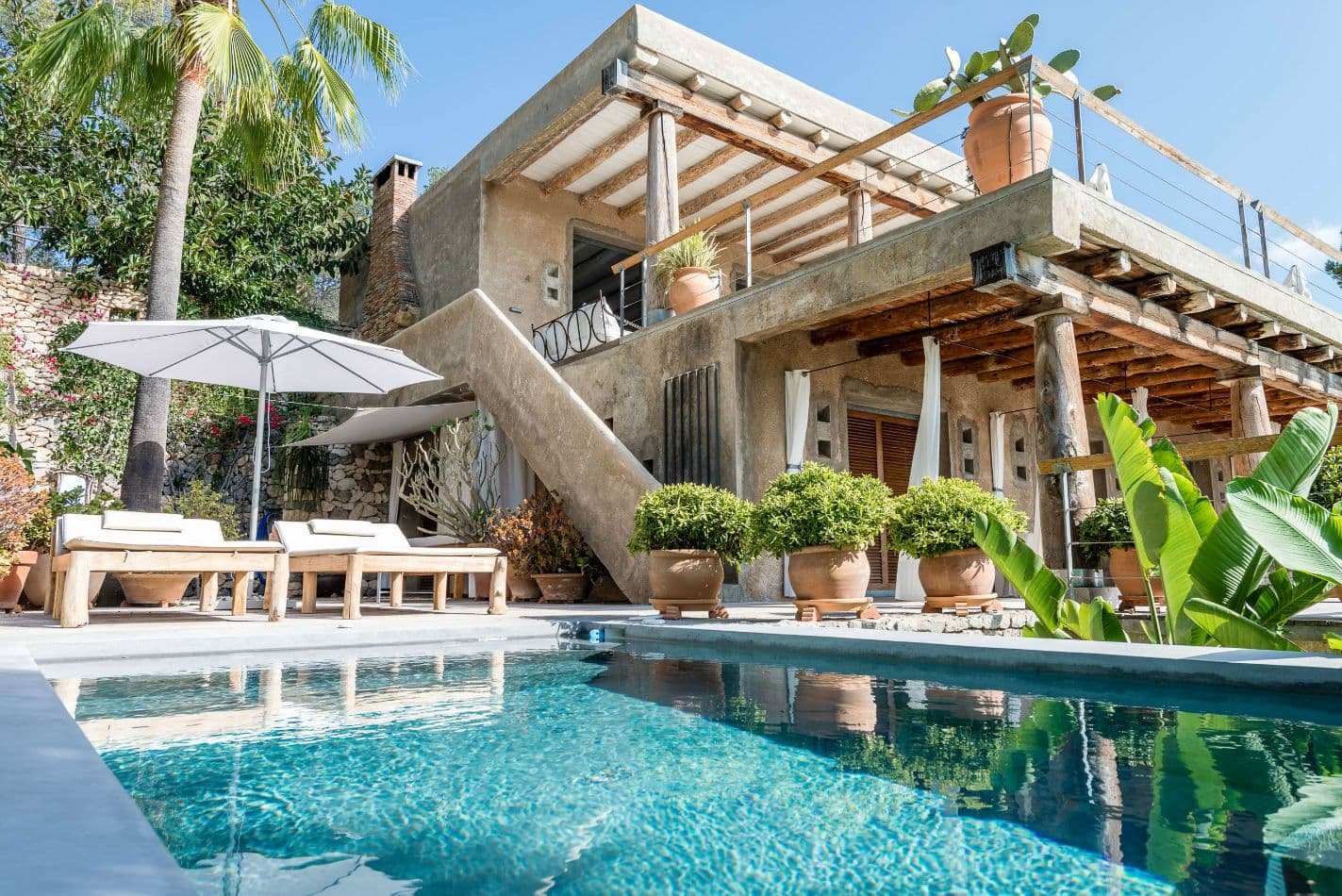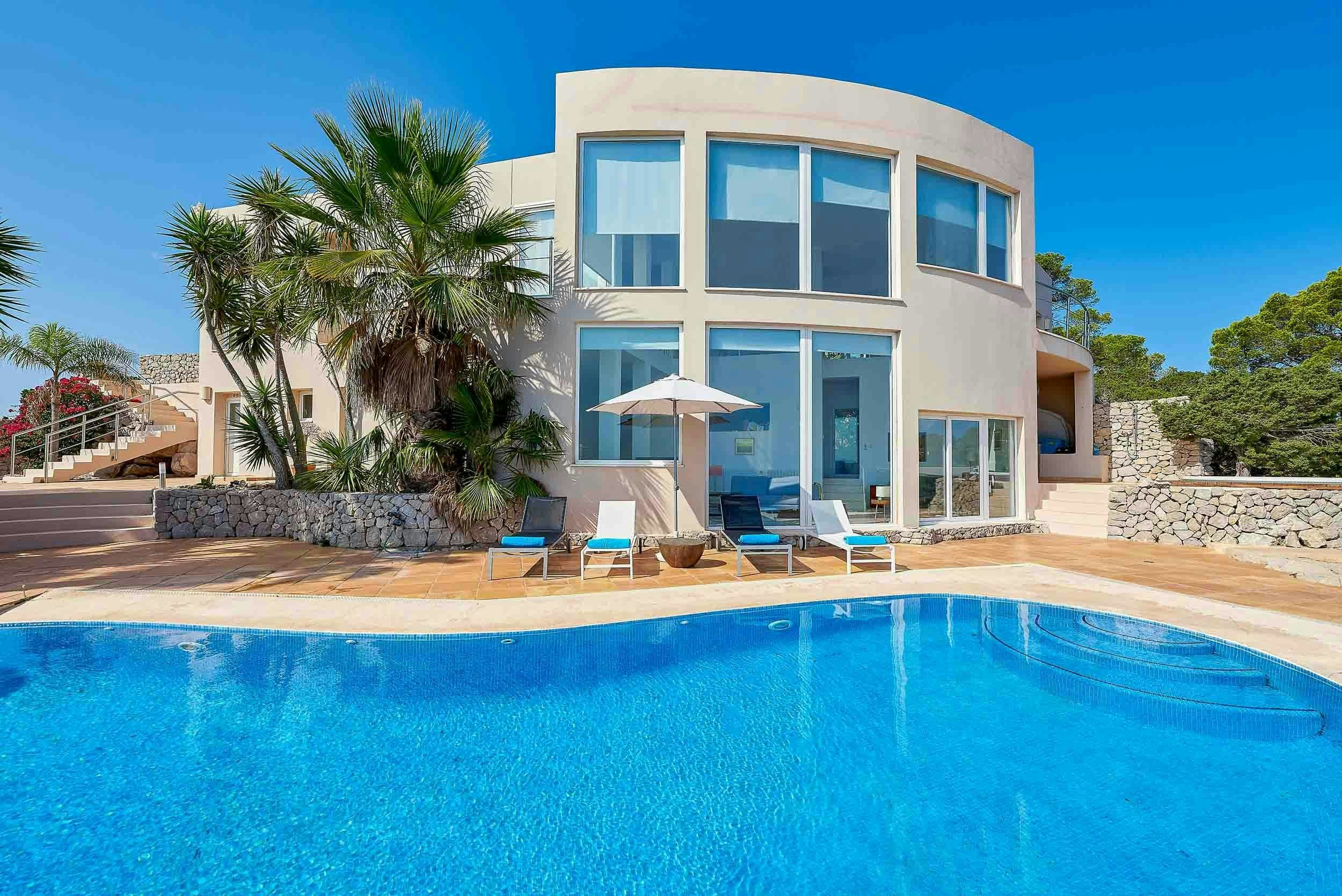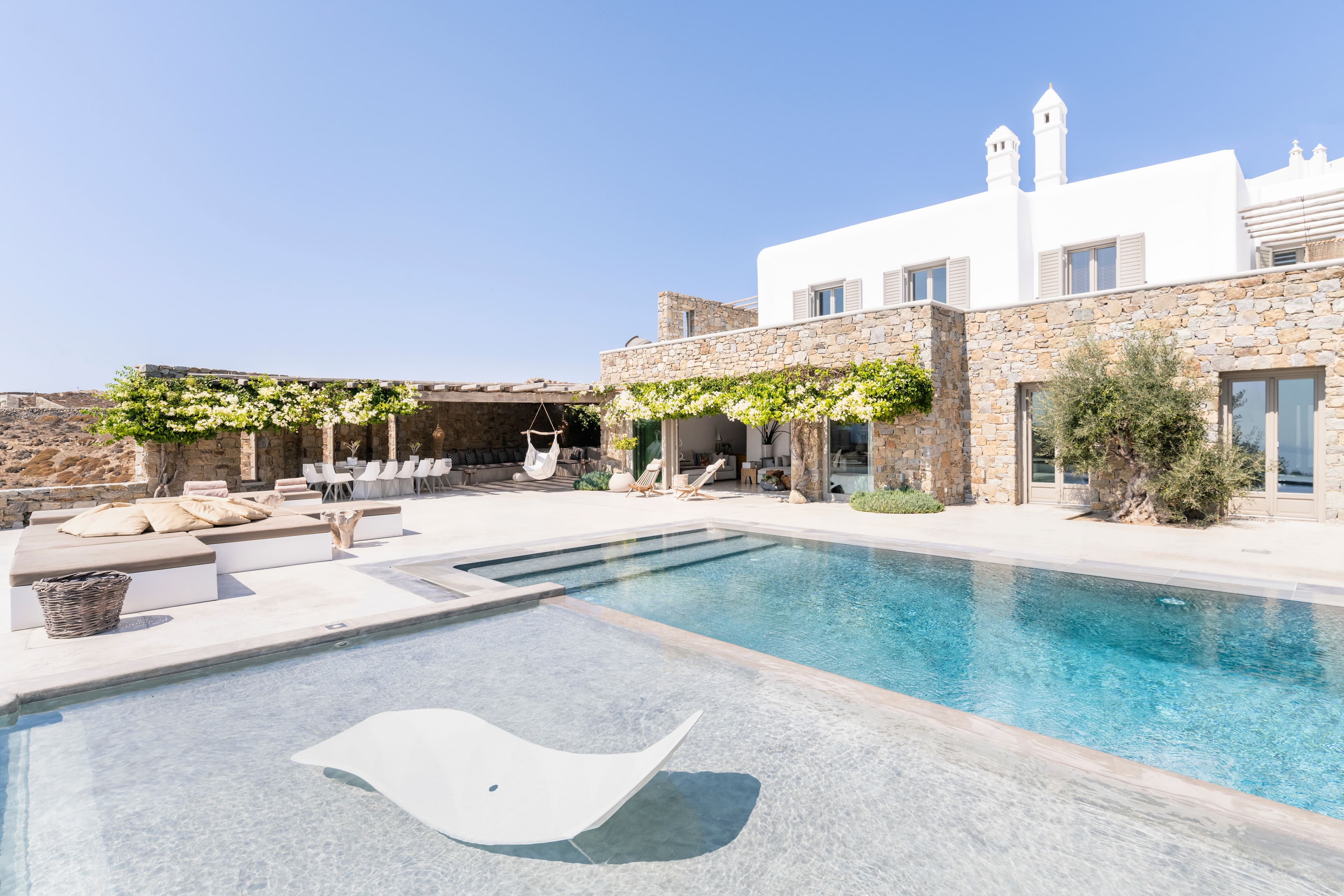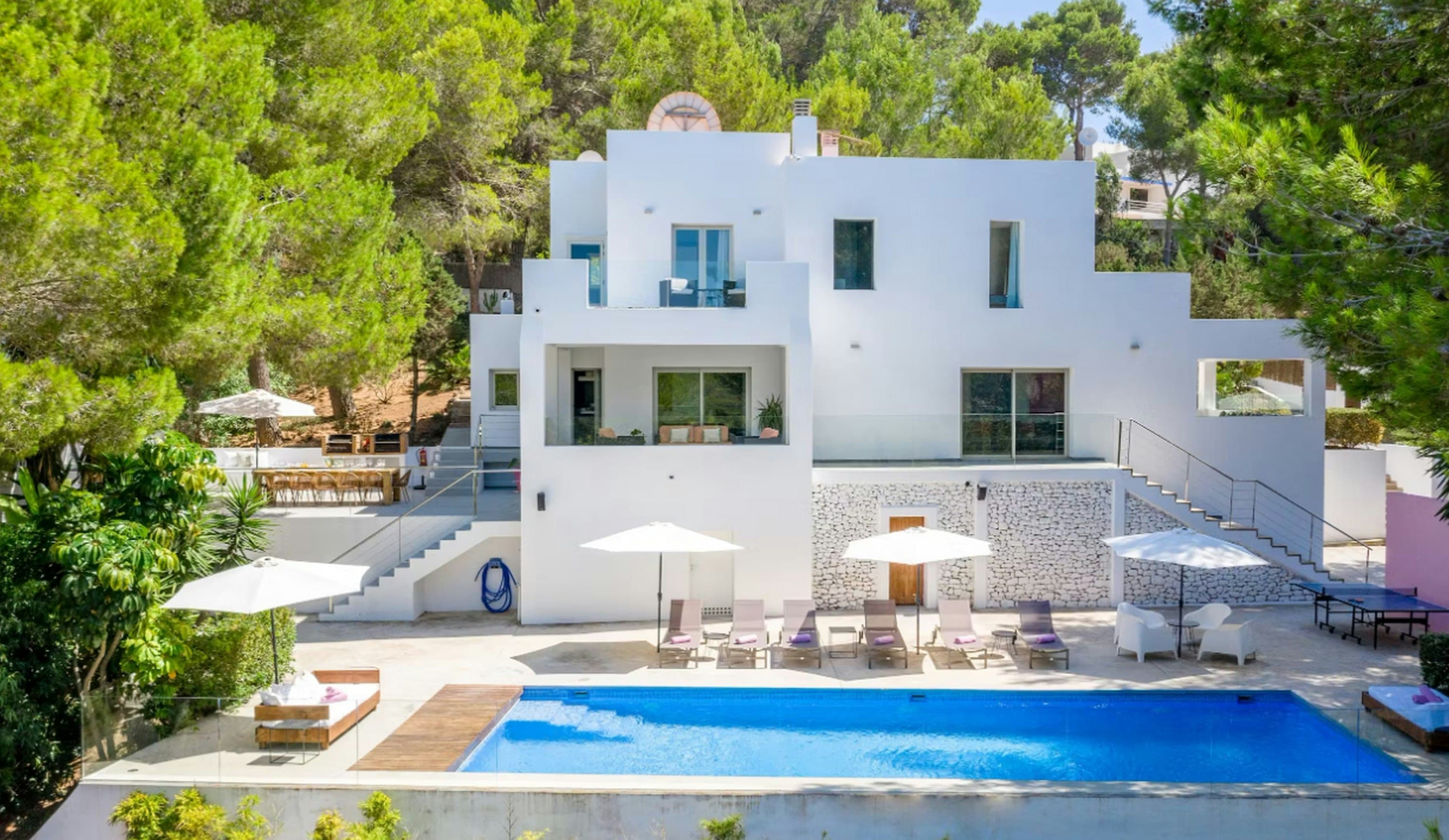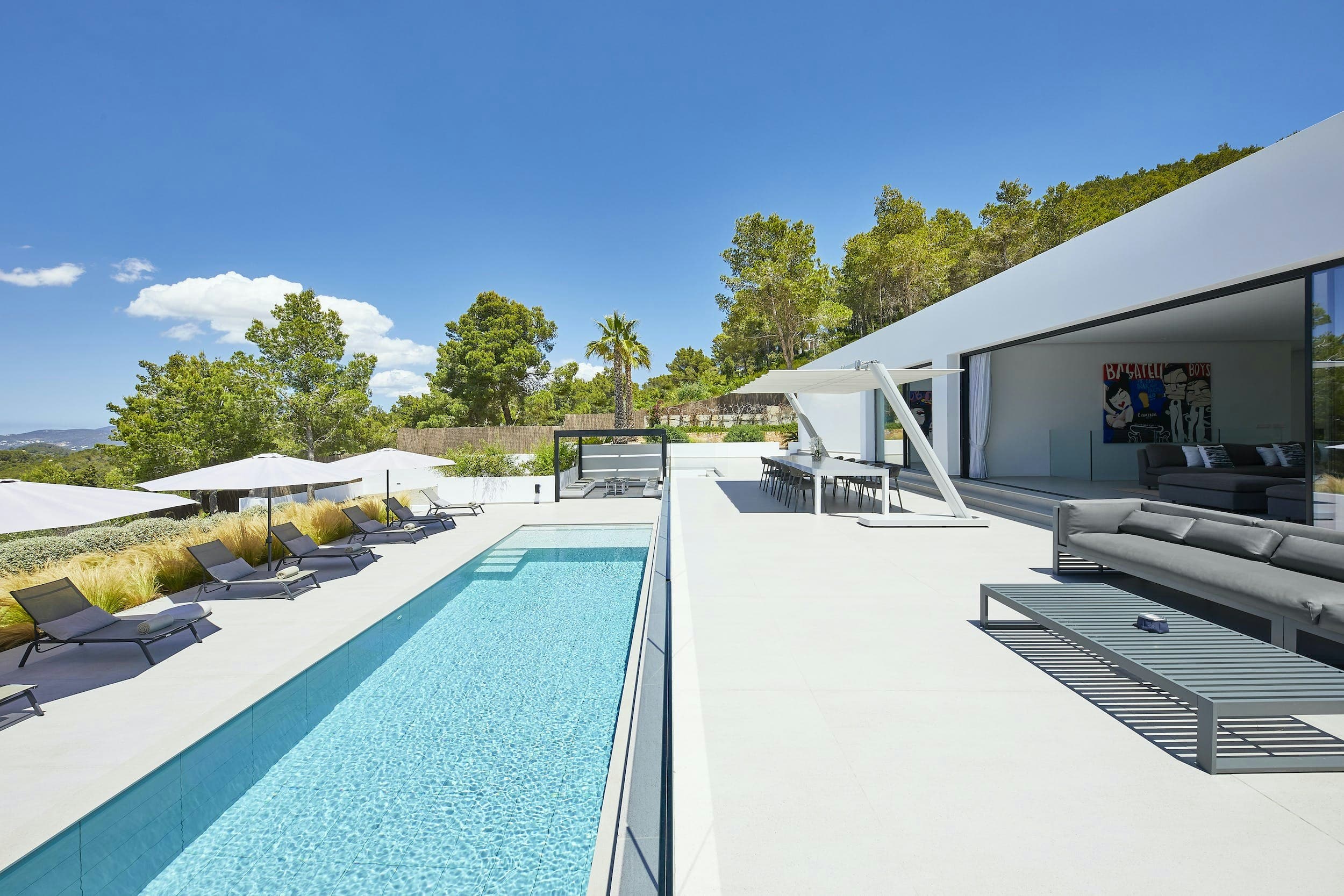

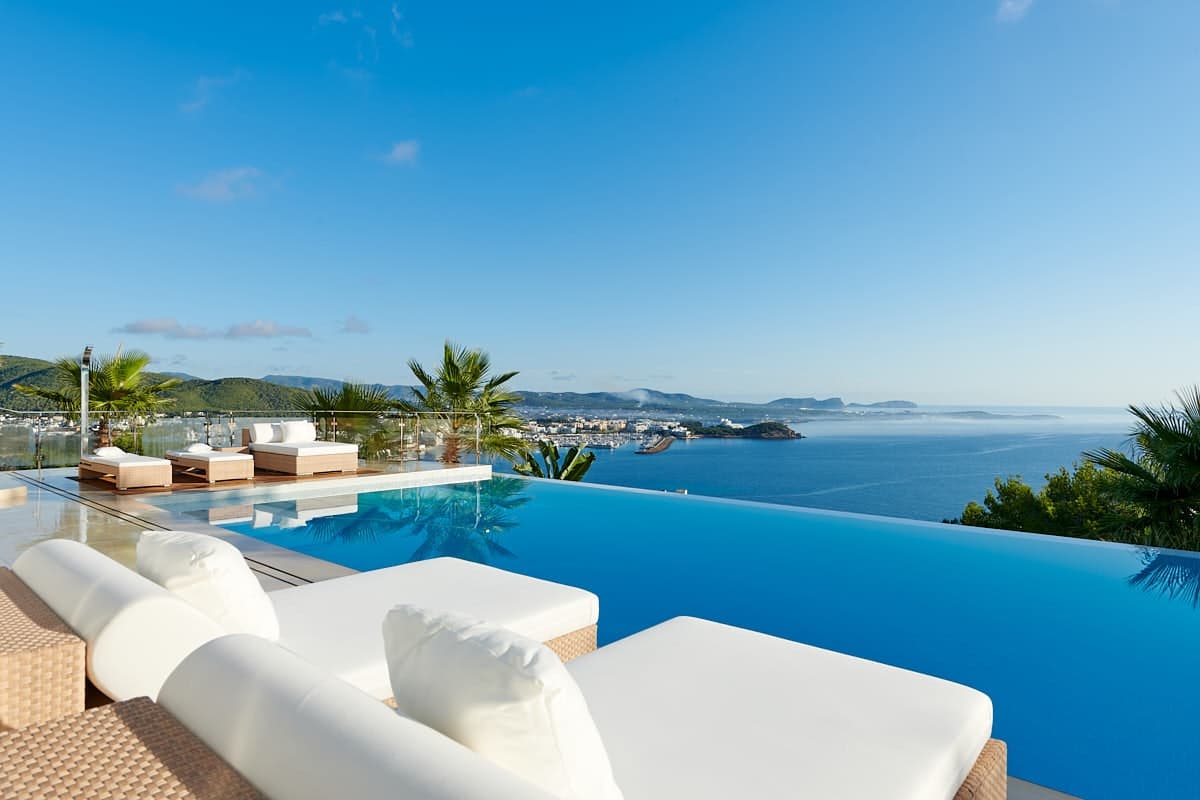
Ibiza covers 572 square kilometres of Mediterranean coastline, pine forest and red-earth farmland, sitting roughly 150 kilometres off the eastern coast of mainland Spain. For most travellers, the best time to visit Ibiza falls between May and mid-October, but we consistently recommend late May to mid-June and September as the months that balance warm weather, manageable crowds and genuinely good value at the island's finest villas and boutique hotels. If you are planning a trip to the Balearics, our guide to luxury stays across the Balearic Islands covers the full archipelago, but Ibiza deserves its own seasonal breakdown. The island's character shifts dramatically from month to month, and choosing the right window can define your entire experience.
What is the weather like in Ibiza across the year?
Ibiza enjoys a Mediterranean climate with hot, dry summers and mild, occasionally wet winters. Average annual sunshine sits at around 2,800 hours, placing it among the sunniest destinations in southern Europe.
Summer highs regularly reach 30 to 34°C between July and August, while winter temperatures hover between 8 and 16°C from December to February. Rainfall concentrates in October and November, when the island can receive 60 to 80 mm in a single month. Spring and early summer tend to be dry, with April through June averaging fewer than 20 mm of rain per month.
Sea temperatures follow a predictable arc: too cool for most swimmers in March and April (around 15 to 17°C), comfortable by late May (20 to 21°C), warm through the summer (25 to 27°C) and still pleasant in early October (23 to 24°C). We find that sea temperature often matters more than air temperature when choosing when to go to Ibiza, especially for families with children.
Is the Ibiza shoulder season worth considering?
The Ibiza shoulder season, spanning May to mid-June and September to mid-October, gives travellers the best combination of climate, price and atmosphere. We return to the island during these windows more than any other.
What is Ibiza in May really like?
Ibiza in May is green, fragrant and unhurried. Daytime temperatures sit between 20 and 25°C, evenings cool to a comfortable 14 to 16°C, and the landscape still carries the colour of recent spring rains. Wildflowers cover the hills around Sant Joan de Labritja, and the almond and carob groves look their best before the summer sun bleaches everything to gold.
Most beach clubs along Platja d'en Bossa and Cala Jondal open by early May, though they operate at a fraction of their July capacity. Restaurants in Ibiza Town's Dalt Vila quarter have their full menus running, and you can usually secure a table at places like La Gaia by Óscar Molina without booking weeks in advance. Villa rates during May typically run 30 to 40% below their July and August peaks, and availability remains strong for even the most sought-after properties.
We particularly like the first two weeks of May for couples seeking quiet. Families with school-age children will find the late May half-term window increasingly popular, so booking three to four months ahead makes sense for that specific week.
How does early June compare?
Early June bridges the gap between spring calm and full summer energy. Temperatures climb to 26 to 29°C, the sea reaches a reliable 22 to 23°C, and nearly every venue on the island has opened for the season. The major club nights at Amnesia, Hï Ibiza and DC-10 launch their summer residencies in June, so visitors who want a taste of the nightlife without peak-season intensity find this period ideal.
Villa pricing edges upward from mid-June, and by the final week of the month, rates approach high-season levels. We advise securing accommodation by March for early June stays, particularly for properties with sea views near Santa Eulària des Riu and the north coast.
Why do we recommend Ibiza in September?
Ibiza in September delivers the warmest sea temperatures of the year, averaging 25 to 26°C, alongside air temperatures of 27 to 30°C. The summer crowds begin thinning after the first week, and by mid-September the island feels noticeably calmer. Sunset bars like Hostal La Torre near Sant Antoni recover the atmosphere that made them famous before the queues arrived.
September also marks the final month of the club season, so closing parties draw dedicated music fans from across Europe. If nightlife matters to you, the last two weekends of September carry genuine energy. If it does not, the rest of the month gives you quiet coves, shorter restaurant waits and a pace that rewards exploration.
Rates drop sharply after the first weekend in September, often returning to May levels by the middle of the month. We consider the window from 8 to 25 September the single best value period for luxury travellers visiting Ibiza. Our curated Ibiza property collection reflects that, with several owners holding availability specifically for returning September guests.
What should travellers expect during Ibiza's high season?
July and August bring peak temperatures, peak prices and peak footfall. Average highs of 30 to 34°C combine with virtually no rainfall and 11 to 12 hours of daily sunshine. The sea sits at a bath-like 25 to 27°C, and every beach, bar and boat charter operates at full capacity.
How crowded does Ibiza get in July and August?
The island's year-round population of roughly 150,000 swells considerably during these months, with some estimates putting the summer total at closer to 300,000 on peak weekends. Popular beaches like Cala Comte, Ses Salines and Cala Bassa require early arrivals (before 10:30) to secure a decent spot. Traffic between Ibiza Town and Sant Antoni can slow to a crawl during the late afternoon, and a 20-minute drive may stretch to 45 minutes.
That said, the energy is undeniable. The super-clubs run their headline DJ residencies, the markets at Las Dalias and Punta Arabí hit their stride, and the social atmosphere at places like Nikki Beach and Beachouse crackles with a particular buzz that only high summer provides. If you thrive in that environment, there is no substitute.
What do villas cost during peak season?
Expect premium properties, those with four to five bedrooms, private pools and coastal positions, to command weekly rates of €8,000 to €25,000 or more. The most exclusive estates around Es Cubells, Cap Martinet and Porroig can reach significantly higher figures. Booking lead times extend to six months or more for July and August, and we strongly recommend confirming arrangements by January at the latest. Our booking advice for peak-season Balearic travel covers the practicalities in more detail.
Is Ibiza worth visiting in spring?
March and April appeal to a specific type of traveller: one who prioritises walking, cycling and the island's rural interior over beach days and nightlife. Temperatures range from 15 to 22°C, and while the sea remains too cool for extended swimming, the hiking trails through Es Vedrà, the Serra de Sa Talaia ridgeline (Ibiza's highest point at 475 metres) and the pine forests of Portinatx are at their most rewarding.
Many hotels and restaurants operate on reduced schedules until late April, and some beach clubs remain shuttered entirely. But Ibiza Town itself stays open year-round, and the quieter pace reveals details that summer obscures: the stonework of the Renaissance walls at Dalt Vila, the empty lanes of Sant Carles de Peralta, the morning fish market at the harbour.
Villa rates during March and April sit at their annual low, often 50 to 60% below July figures. Availability is broad, and you can often arrange short stays of three to four nights rather than the week-long minimums that apply in summer.
What is autumn like beyond September?
October brings a transitional feel. The first half of the month still delivers agreeable beach weather, with daytime temperatures of 22 to 26°C and sea temperatures around 23°C. By the second half, rainfall increases and many seasonal businesses begin closing.
We enjoy early October in the north of the island, around Sant Joan de Labritja and Cala de Sant Vicent, where the light turns softer and the crowds vanish almost entirely. It is a fine window for photography, reading and long lunches at rustic restaurants like Can Caus, a farmhouse grill near Santa Gertrudis.
November and December bring the island's wettest period and its quietest mood. Some years, November rainfall exceeds 80 mm, and grey skies can linger for days. The upside: Ibiza Town reveals a local, lived-in character that summer visitors rarely glimpse. Christmas markets appear in December, and a handful of excellent restaurants, including Es Torrent and Can Domo, stay open through the winter months for the island's permanent residents.
When should we book our Ibiza accommodation?
Booking timelines vary sharply by season, and getting this right can save both money and disappointment.
For July and August, we recommend booking six to nine months in advance. The most desirable villas for these months often fill before February. For May, June and September, a three-to-four-month lead time usually secures a strong selection, though specific properties with high repeat-guest loyalty may require earlier commitment. For October to April, you can often book four to six weeks ahead without difficulty, and last-minute deals appear regularly.
We also suggest flexibility on arrival and departure days. Saturday-to-Saturday bookings dominate the high season, but many villa owners accept midweek changeovers during the shoulder months, giving you more options and occasionally better rates. Our guide to planning a Balearic villa holiday walks through the full process.
If you plan to hire a car, and we consider it essential for reaching the quieter north-coast beaches and hilltop restaurants, book that at least a month ahead for summer visits. Rental fleets on the island can sell out entirely during peak weeks, and airport queues at Ibiza's single terminal add unnecessary friction to an arrival day.
How does Ibiza compare to the other Balearic Islands?
Ibiza runs hotter and drier than Mallorca and Menorca during summer, and its nightlife season is longer and more prominent. Mallorca draws travellers seeking mountain scenery, cycling and larger-scale resorts, while Menorca appeals to those prioritising unspoilt coastline and a slower rhythm. Formentera, Ibiza's tiny neighbour reachable by a 30-minute ferry from Ibiza Town, combines Caribbean-clear water with an even more pared-back atmosphere.
We often recommend combining Ibiza with two or three nights on Formentera for travellers who want both energy and escape in a single trip. Our Formentera accommodation guide covers the best options on that island.
Frequently asked questions
What is the best time to visit Ibiza for beach holidays?
Late May to late September gives the most reliable beach weather, with sea temperatures above 21°C and minimal rainfall. We find that June and September combine the best swimming conditions with the fewest crowds. July and August guarantee the highest temperatures but bring significant competition for space at popular coves like Cala Comte and Ses Salines.
When is the cheapest time to visit Ibiza?
November to March represents the lowest-cost period, with villa rates often 50 to 60% below summer peaks and flight prices from major European cities dropping accordingly. Among the warm-weather months, May and the second half of September provide the best value for travellers who still want sunshine, open restaurants and functioning beach clubs.
Is Ibiza in May warm enough for swimming?
Sea temperatures around Ibiza in May average 19 to 21°C, rising through the month. Most adults find the water comfortable for swimming by mid-to-late May, particularly in sheltered south-facing bays like Cala Vadella and Cala d'Hort. Children and cold-sensitive swimmers may prefer to wait until June, when temperatures reliably exceed 22°C.
Does it rain a lot in Ibiza?
Ibiza receives roughly 400 to 450 mm of rainfall annually, concentrated between October and January. Summer months, particularly June through August, are virtually rain-free. Occasional brief thunderstorms can occur in September and May, but these rarely last more than an hour and often clear to brilliant sunshine.
When does the club season in Ibiza start and finish?
The major clubs typically open in late May or early June and close in early to mid-October. The headline DJ residencies run from mid-June through September, with opening parties in June and closing parties in late September and early October drawing the largest crowds. Outside this window, smaller bars and venues in Ibiza Town host live music and DJ sets year-round, though on a much more intimate scale.
How far in advance should we book an Ibiza villa for summer?
For July and August, we recommend confirming your villa six to nine months ahead, with January being a practical deadline for the best properties. Peak-season villas in premium locations like Es Cubells, Cala Jondal and Cap Martinet often book out before spring. For shoulder-season stays in May, June or September, a lead time of three to four months typically provides a good range of options.