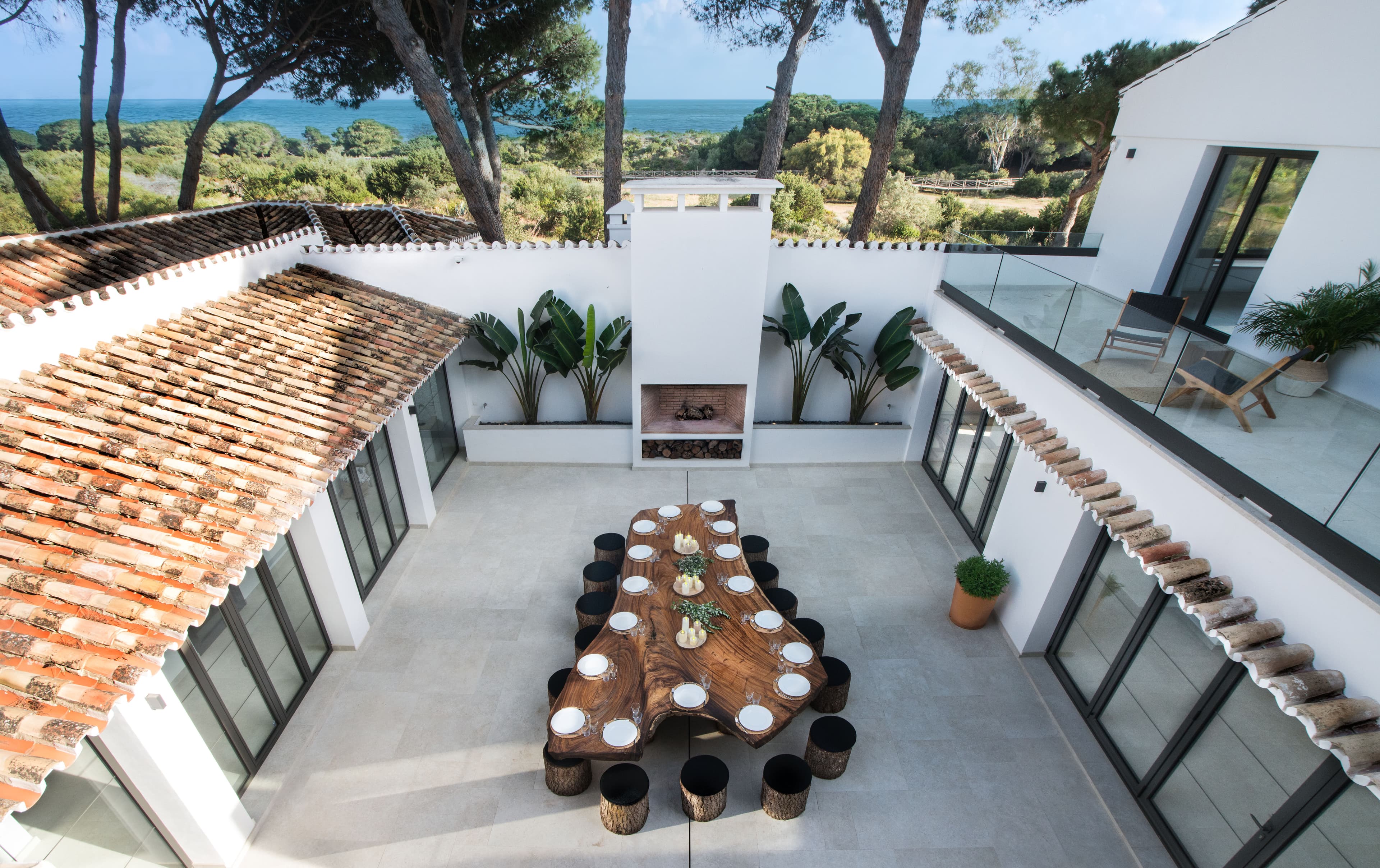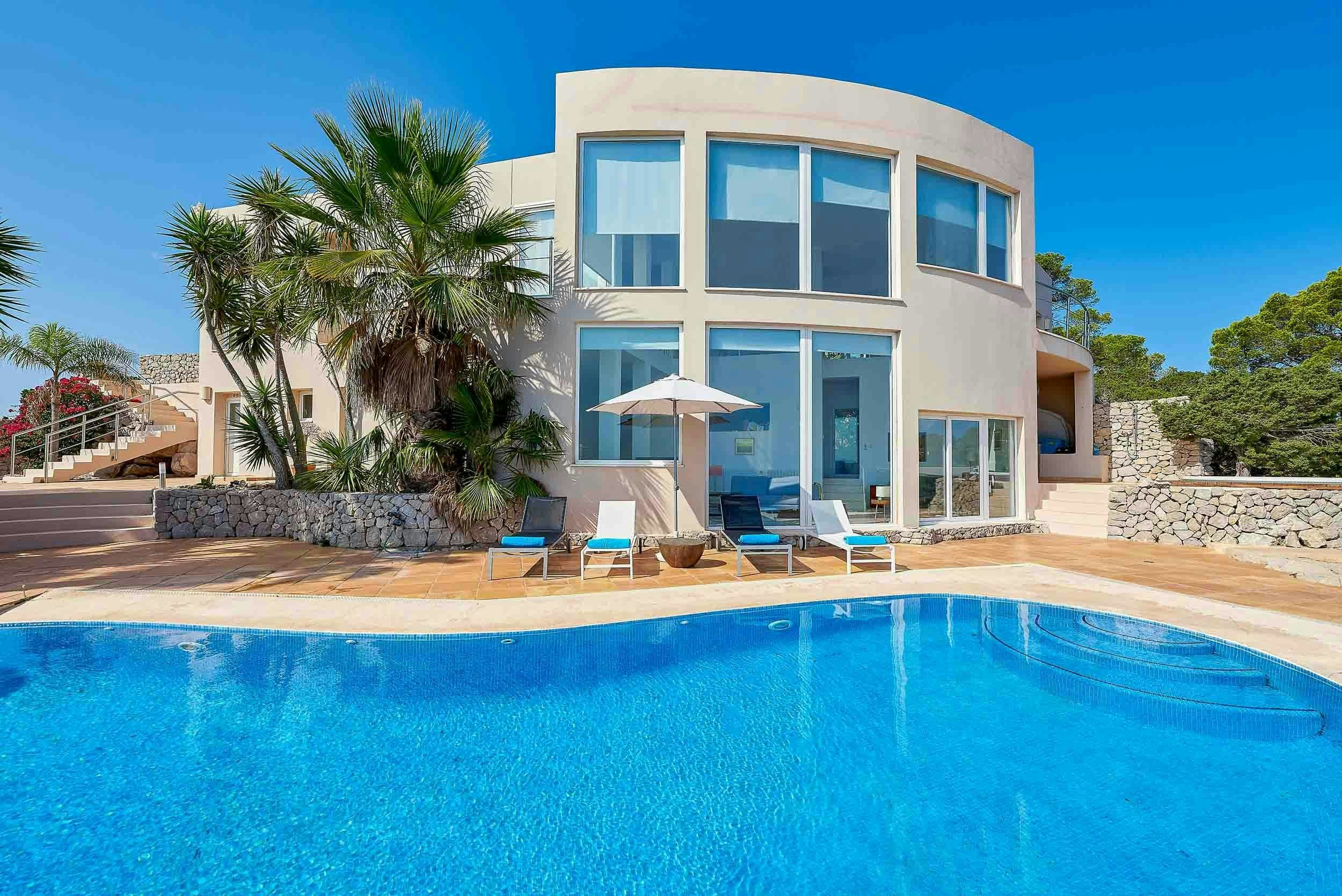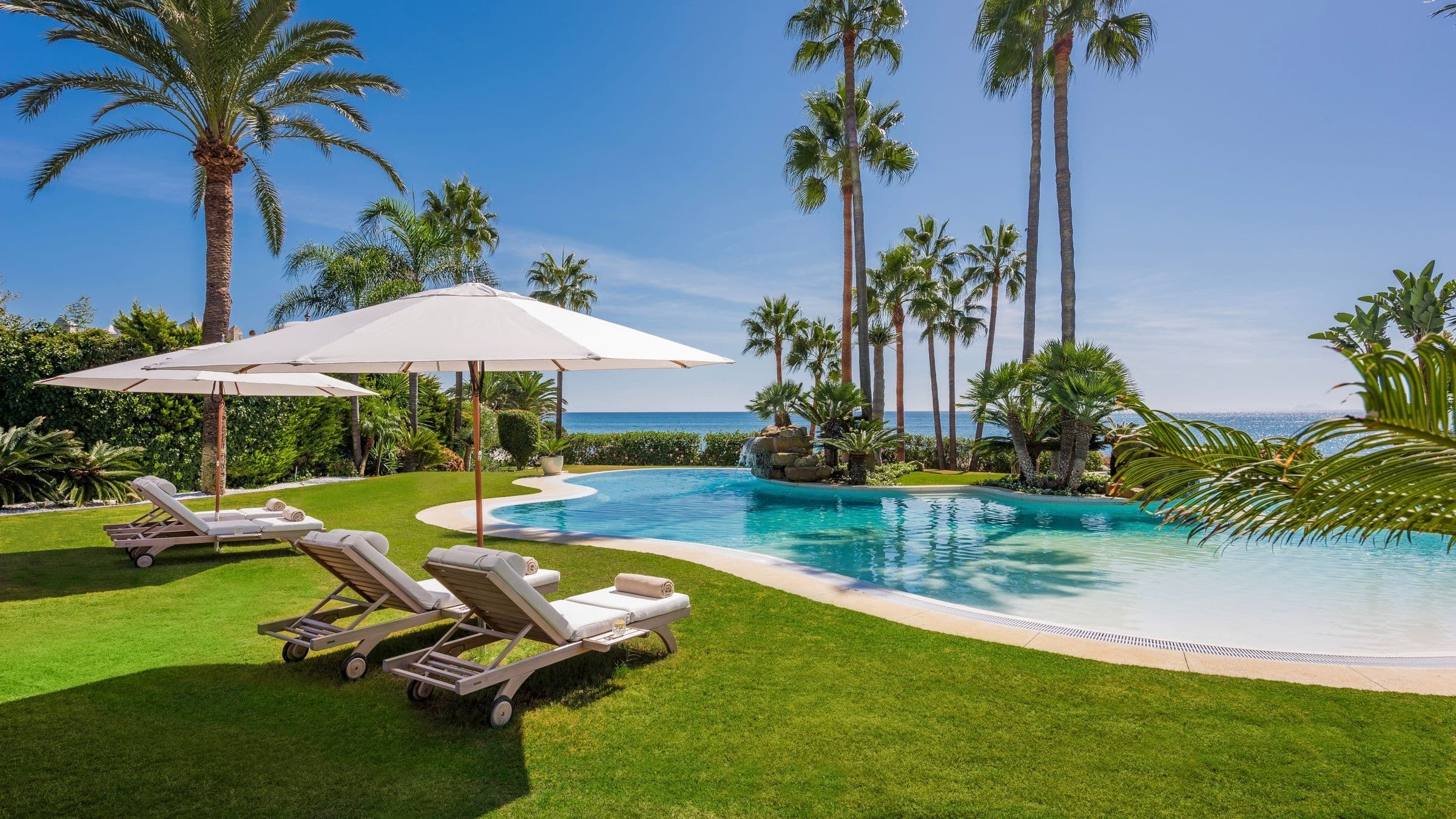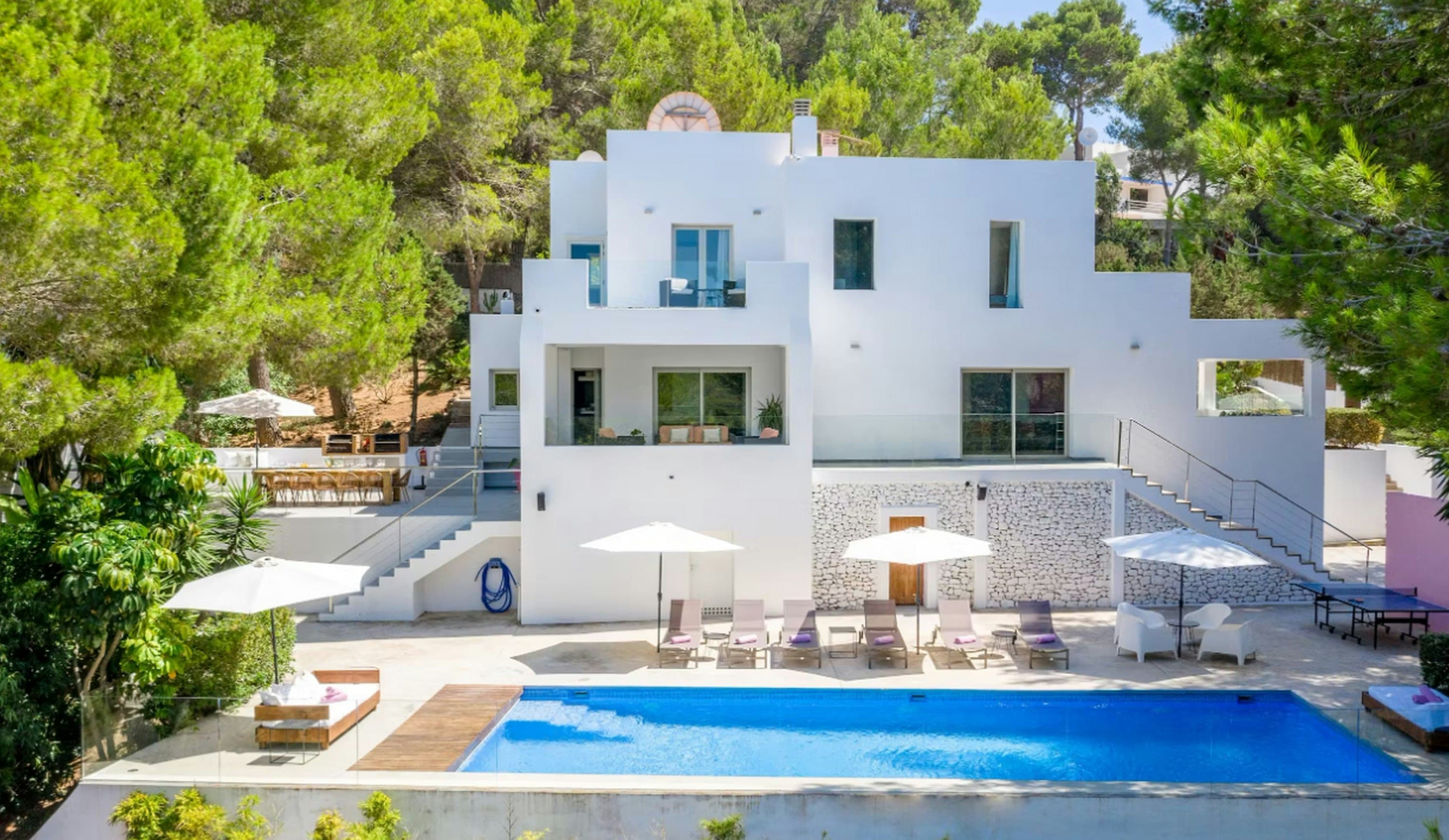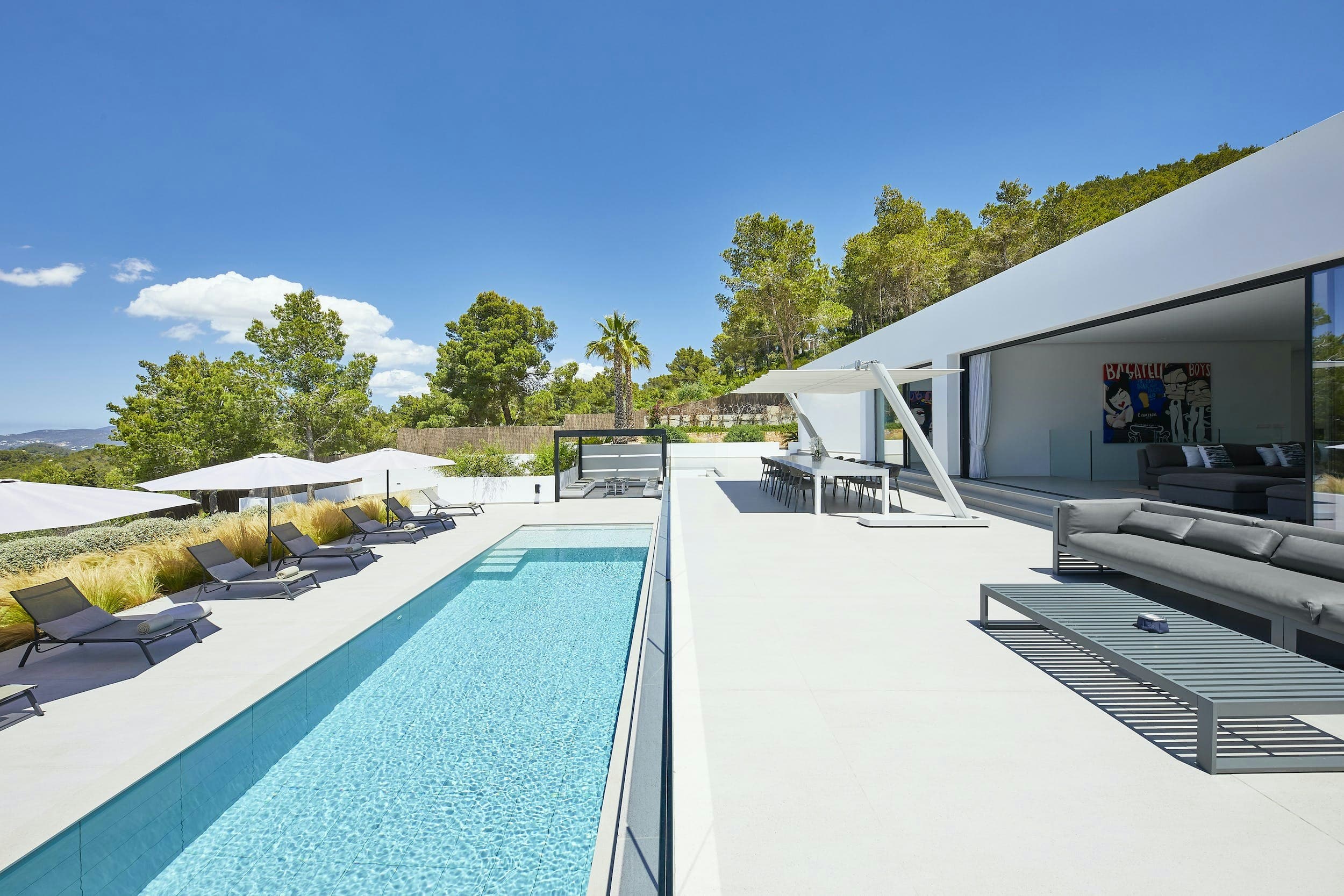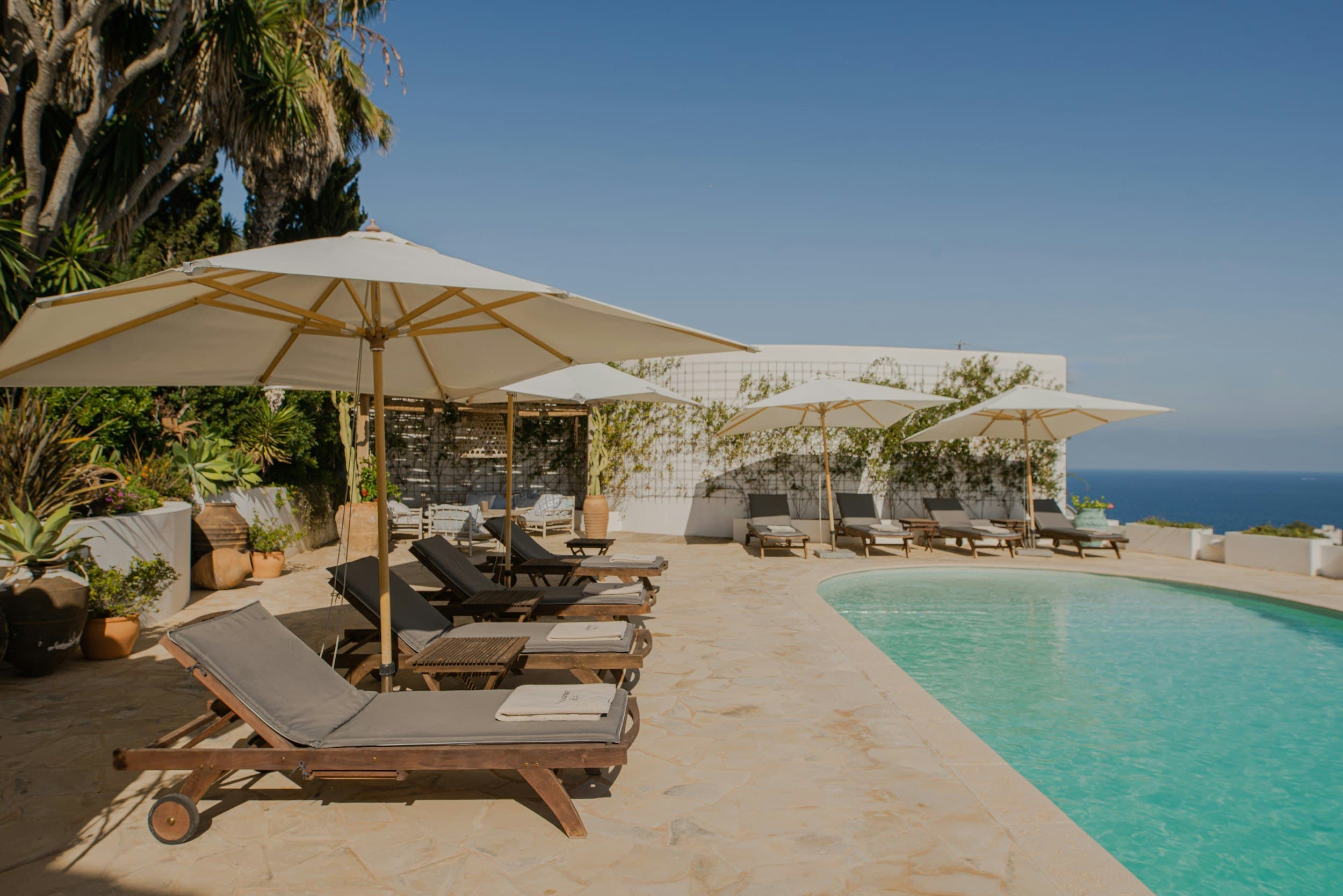
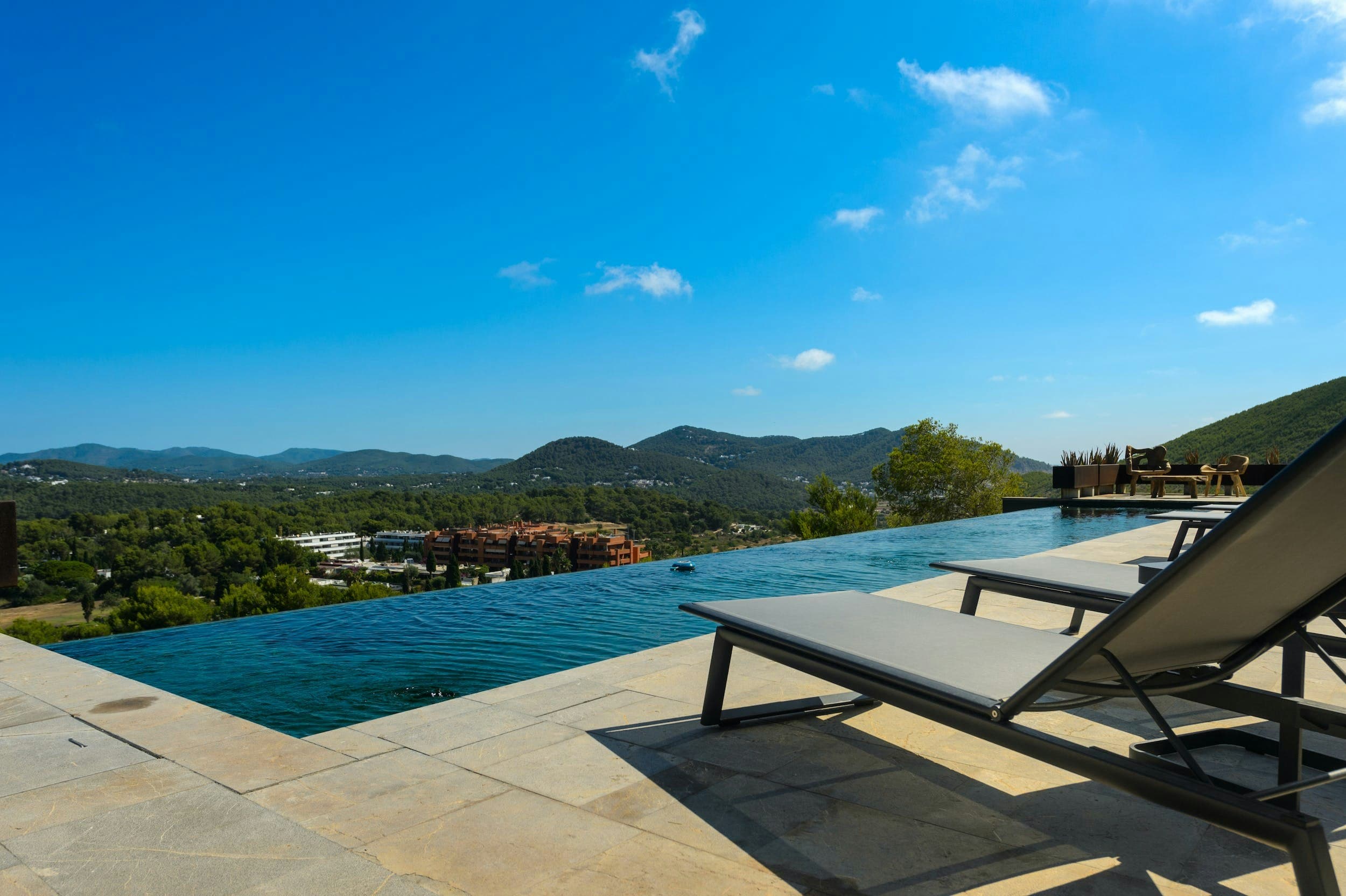
Mallorca covers just over 3,600 square kilometres, making it the largest of Spain's Balearic Islands and one of the most varied. For couples, this variety is precisely the point: a long weekend in the capital feels nothing like a week on the northwest coast, and the southeastern coves bear little resemblance to the vineyard-striped interior. We have spent considerable time exploring the island's distinct corners, and what strikes us every visit is how dramatically the mood shifts within a 40-minute drive. This guide breaks down the areas we return to most often, with practical detail on where to stay in Mallorca depending on what you want from your trip together.
The island receives around 14 million visitors a year, yet large stretches of it remain remarkably quiet outside July and August. Couples visiting for the first time tend to default to Palma or Deià, both excellent choices, but we think there are at least four other areas worth serious consideration. Below, we cover each in turn.
Why is Palma such a strong base for couples?
Palma is the most culturally rich base on the island, combining genuine city energy with a waterfront setting and a historic centre that rewards slow exploration on foot. The old town alone contains the 13th-century Cathedral of Santa Maria, the Fundació Miró, the Museu Es Baluard and dozens of galleries tucked into former palaces along streets like Carrer de Sant Jaume and Carrer de Can Savellà.
For couples who want good restaurants, late-evening drinks and the ability to walk everywhere, Palma is difficult to beat. The dining scene has matured significantly over the past decade. Restaurants like Adrián Quetglas, Marc Fosh and the more casual spots around Mercat de l'Olivar serve inventive Mediterranean food that draws on the island's produce without the tourist-menu predictability of resort towns.
What are the best neighbourhoods in Palma for couples?
Santa Catalina is the area we recommend most often. This former fishing quarter sits just west of the old town and centres on a covered market hall dating from 1920. The streets around Carrer de Fàbrica and Carrer de Soler are packed with wine bars, independent shops and restaurants that locals genuinely frequent. It has a lived-in warmth that the more polished old town sometimes lacks in the evenings.
La Lonja, directly behind the old port, suits couples who want to be surrounded by architecture and within a two-minute walk of the waterfront. The area around the 15th-century Llotja de Palma building fills with people in the early evening, and the cocktail bars here stay open later than most.
If you prefer boutique hotels, Palma's old town has the highest concentration on the island. Many occupy converted townhouses with interior courtyards, stone staircases and rooftop terraces. We cover several favourites in our guide to boutique hotels in Mallorca, but the character of these properties, thick walls, shuttered windows, roof pools looking towards the cathedral, makes them particularly suited to couples.
How easy is it to reach Palma from the airport?
Palma de Mallorca Airport (Son Sant Joan) sits roughly 8 kilometres east of the city centre. A taxi takes around 15 to 20 minutes depending on traffic and costs approximately 20 to 25 euros. The EMT bus line 1 runs the same route for a few euros, stopping at the port and Plaça d'Espanya. If you plan to stay exclusively in Palma, you will not need a hire car at all.
Is Deià really worth the reputation for couples?
Deià earns its reputation, though it is a smaller and quieter place than many first-time visitors expect. This village of around 800 permanent residents sits in the Serra de Tramuntana mountains on Mallorca's northwest coast, roughly 30 kilometres from Palma. Robert Graves settled here in 1929 and the artistic community that gathered around him shaped the village's identity for the rest of the century.
What makes Deià special for couples is the combination of landscape and intimacy. The village is compact enough to walk end to end in ten minutes, yet the mountains behind it and the rocky cove of Cala Deià below create a sense of scale that feels much grander. The light here changes constantly, particularly in the late afternoon when the stone buildings take on a golden colour that photographers and painters have been chasing for decades.
What kind of accommodation defines Deià?
Deià has two internationally recognised hotels: Belmond La Residencia, which occupies a pair of 16th and 17th-century manor houses above the village, and Es Molí, set within gardens that cascade down towards the sea. Both charge accordingly, particularly in summer.
Beyond these headline properties, Deià has a growing number of private villas and restored fincas available for rental. These suit couples who want seclusion and self-catering flexibility. Many have pools, citrus gardens and views across the valley that justify the occasionally winding access roads. We have found that couples visiting Mallorca's west coast often prefer a private rental here to a hotel, simply because the village is small enough that you can walk to dinner without needing a car in the evening.
What should couples know before booking Deià?
The village has a handful of restaurants but not a wide selection. Ca's Patró March, down at Cala Deià, serves excellent fish but books up quickly from May onwards. Restaurant Sebastian on the main road through the village is another reliable option. For variety, you will want a hire car to reach Sóller or Valldemossa.
The road from Palma to Deià (MA-1110) is scenic but narrow and winding. The drive takes roughly 40 minutes without stops. We always enjoy it, but anyone uncomfortable with mountain roads should factor this in. The Sóller tunnel (MA-11) removes some of the switchbacks if you approach via Sóller.
How does Sóller compare to Deià for couples?
Sóller is larger, more practical and slightly less rarefied than Deià, which for many couples makes it the better base. The town sits in a wide valley surrounded by orange groves and mountains, about 30 kilometres north of Palma. Its population of around 14,000 gives it a genuine year-round community, and its central Plaça de la Constitució has the kind of everyday bustle, market stalls, café terraces, a 13th-century church with a Modernista facade, that makes you feel part of a town rather than a set piece.
The vintage wooden tram that connects Sóller to its port, Port de Sóller, runs roughly every 30 minutes and takes about 15 minutes. Port de Sóller curves around a horseshoe-shaped bay with a promenade, sandy beach and a line of seafood restaurants. For couples who want both mountain scenery and easy beach access, this combination is hard to argue with.
What type of couple suits Sóller best?
Sóller works well for couples visiting Mallorca for the first time who want a taste of the Tramuntana without committing entirely to a remote mountain village. The town has a reasonable number of restaurants, a Saturday morning market, several good cafés, a small but worthwhile Museu de Sóller and enough shops to occupy a rainy morning.
It also suits couples who enjoy walking. The GR 221 long-distance trail passes through Sóller, and shorter circular routes lead into the surrounding hills and orchards. The walk from Sóller to Fornalutx, a village of about 700 people roughly 4 kilometres away, is one of the most enjoyable short hikes on the island and takes under an hour at a gentle pace.
Accommodation in Sóller ranges from small townhouse hotels in the centre to rural fincas on the edges of the valley. Prices tend to be a step below Deià for comparable quality, which we appreciate. Our collection of rural properties in Mallorca includes several in the Sóller valley that we have visited and recommend.
What about the southeast coast and Santanyí?
The southeastern corner of Mallorca, roughly from Campos down to Cala Figuera, suits couples who prioritise swimming and coastal beauty above all else. This stretch of coastline contains some of the island's most celebrated calas: Cala Llombards, Cala Mondragó (within a protected natural park), Cala S'Almunia and Caló des Moro.
Santanyí, a small market town about 55 kilometres southeast of Palma, makes the most practical base for this area. The town itself is handsome: honey-coloured sandstone buildings, a weekly Wednesday and Saturday market in the central square, a handful of good restaurants and a pleasant evening atmosphere. The drive from Palma takes roughly 50 minutes via the MA-19.
Who does the southeast coast suit best?
Couples who want to spend their days swimming in clear turquoise water and their evenings eating grilled fish in a quiet town will love this area. The beaches here are generally rocky coves reached by short walks or steps, so they attract a slightly more adventurous crowd than the long sandy strips further north.
The southeast is also a strong choice for couples combining a beach trip with cycling. The terrain inland from Santanyí is relatively flat by Mallorcan standards, and the roads between Ses Salines, Campos and Santanyí pass through agricultural land with very little traffic outside peak summer.
Accommodation takes the form of boutique townhouse hotels in Santanyí itself, plus a number of renovated fincas and agritourism properties in the surrounding countryside. You will need a hire car to reach the beaches, as most sit 5 to 15 kilometres from town.
Is the central plain worth considering for couples?
The Es Pla region, Mallorca's central plain, rarely appears on first-time itineraries, but we think it deserves attention from couples who value peace, gastronomy and a sense of the island's agricultural character. Towns like Sineu, Algaida, Montuïri and Porreres have weekly markets, Romanesque churches, excellent local wine from nearby bodegas such as Ànima Negra and José Luis Ferrer, and virtually no tourist infrastructure to speak of.
This is the Mallorca of working farms, almond orchards and long views across flat fields to distant mountains. The pace here is genuinely slow, and that slowness is the point.
What kind of properties can couples find in the interior?
The interior specialises in converted fincas and agroturismo properties: stone farmhouses with thick walls, swimming pools surrounded by olive trees and an emphasis on produce from the estate or neighbouring farms. Several serve multi-course dinners using their own vegetables, oils and wines.
These properties tend to be quieter and more affordable than their coastal equivalents, particularly outside the peak months. They suit couples who see their accommodation as the destination rather than a base for sightseeing. Sineu, roughly in the centre of the island, holds one of Mallorca's oldest weekly markets every Wednesday, a tradition dating back to at least 1306, and makes a good anchor point.
You will need a hire car throughout. Distances are modest, nothing in Es Pla is more than about 40 minutes from Palma, but public transport options are limited. We have written separately about planning a road trip through Mallorca's interior, which includes route suggestions for couples.
When is the best time for couples to visit Mallorca?
Late April to mid-June and September to mid-October are the periods we recommend most strongly. The weather during these months is warm without being oppressive: daytime temperatures typically range from 20 to 28 degrees Celsius, the sea is swimmable from late May onwards and the island's landscape is at its most colourful.
May is particularly beautiful on the west coast, when wildflowers cover the hillsides around Deià and Sóller. September suits the southeast, where the sea retains its summer warmth well into October and the beaches empty out dramatically after the first week of the month.
July and August bring the highest temperatures (regularly above 33 degrees), the largest crowds and the highest prices. Palma can feel uncomfortably hot during an August afternoon, and the most popular calas in the southeast become very busy. If you must visit in peak summer, we suggest basing yourselves in the Tramuntana mountains, where the altitude brings slightly cooler air.
Winter in Mallorca, from November to February, suits couples who want to walk, cycle and eat well without spending time on the beach. Palma is particularly enjoyable in January and February, when the almond trees across the island blossom and the city's restaurants are at their least crowded. Hotel rates drop significantly during these months.
A note for families
While this guide focuses on couples, many of the areas we have covered also work well for families. Sóller and Port de Sóller are particularly family-friendly thanks to the tram, the sandy bay and the relaxed waterfront dining. Palma suits families with older children who enjoy culture and city life. The southeast coast is excellent for families who want to swim, though access to some calas involves uneven paths. For more specific recommendations on where to stay in Mallorca for families, we have a separate guide.
Frequently asked questions
What is the best area to stay in Mallorca for couples?
It depends entirely on what you want from the trip. For culture, food and nightlife, Palma is the strongest choice. For mountain scenery and romantic seclusion, Deià or the Sóller valley delivers consistently. The southeast around Santanyí suits couples who prioritise beach time, while the interior appeals to those who want quiet rural immersion. Most couples we speak to are happiest splitting a week between two areas, typically Palma plus one coastal or mountain base.
Should we stay in Palma or Deià?
Palma suits couples who enjoy city energy, walking to restaurants and bars, visiting galleries and having a wide choice of dining each evening. Deià suits couples who want a slower pace, dramatic mountain-and-sea scenery and a sense of artistic heritage. Palma is easier to reach from the airport and requires no hire car. Deià demands one and has far fewer restaurant options. Many couples do well spending two or three nights in each.
Do we need a hire car in Mallorca?
In Palma, no. The city is compact and well served by buses and taxis. Everywhere else on this list, yes, a hire car is strongly advisable. The Sóller area has a train connection to Palma (the historic Tren de Sóller, running since 1912), but exploring the coast, the interior or even moving between villages in the Tramuntana requires your own vehicle. Book early for summer months, as availability tightens from June.
Is Mallorca good for a first visit to the Balearics?
Mallorca is an excellent first Balearic island. Its size means you can combine city, mountains, coastline and countryside in a single trip, something neither Menorca nor Ibiza can match in the same way. Palma's airport receives direct flights from most major European cities, with flight times of around two to two and a half hours from London. The island's tourism infrastructure is mature, so you will find reliable accommodation and dining at every price point.
When should couples avoid visiting Mallorca?
The first three weeks of August bring the highest prices, the largest crowds and the most intense heat. School holiday periods across Europe, particularly the German and British summer breaks, concentrate visitor numbers heavily in resort areas and popular beaches. If you have flexibility, shifting your trip to late September or early October gives you warm weather, quieter beaches and significantly lower rates. The only real downside of visiting outside peak summer is that some smaller hotels and restaurants close between November and March.
How many nights should couples spend in Mallorca?
We recommend a minimum of five nights to do the island justice, and seven to ten nights if you want to explore more than one area without rushing. A strong itinerary for first-time visitors might include two nights in Palma, three in the Tramuntana (split between Sóller and Deià or focused on one) and two on the southeast coast. Couples returning for a second or third visit often spend their entire stay in a single area, particularly the interior or a private finca on the west coast.