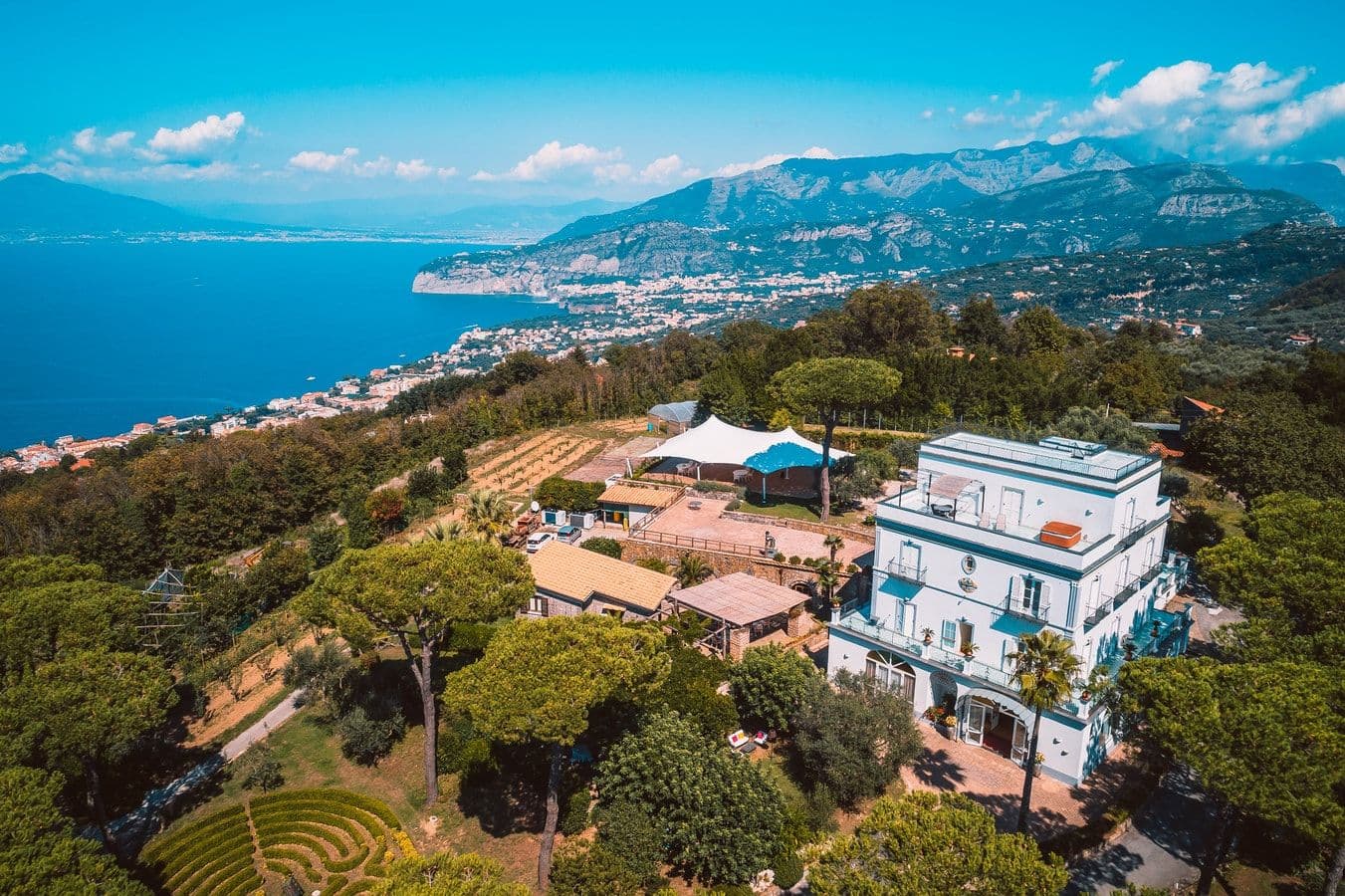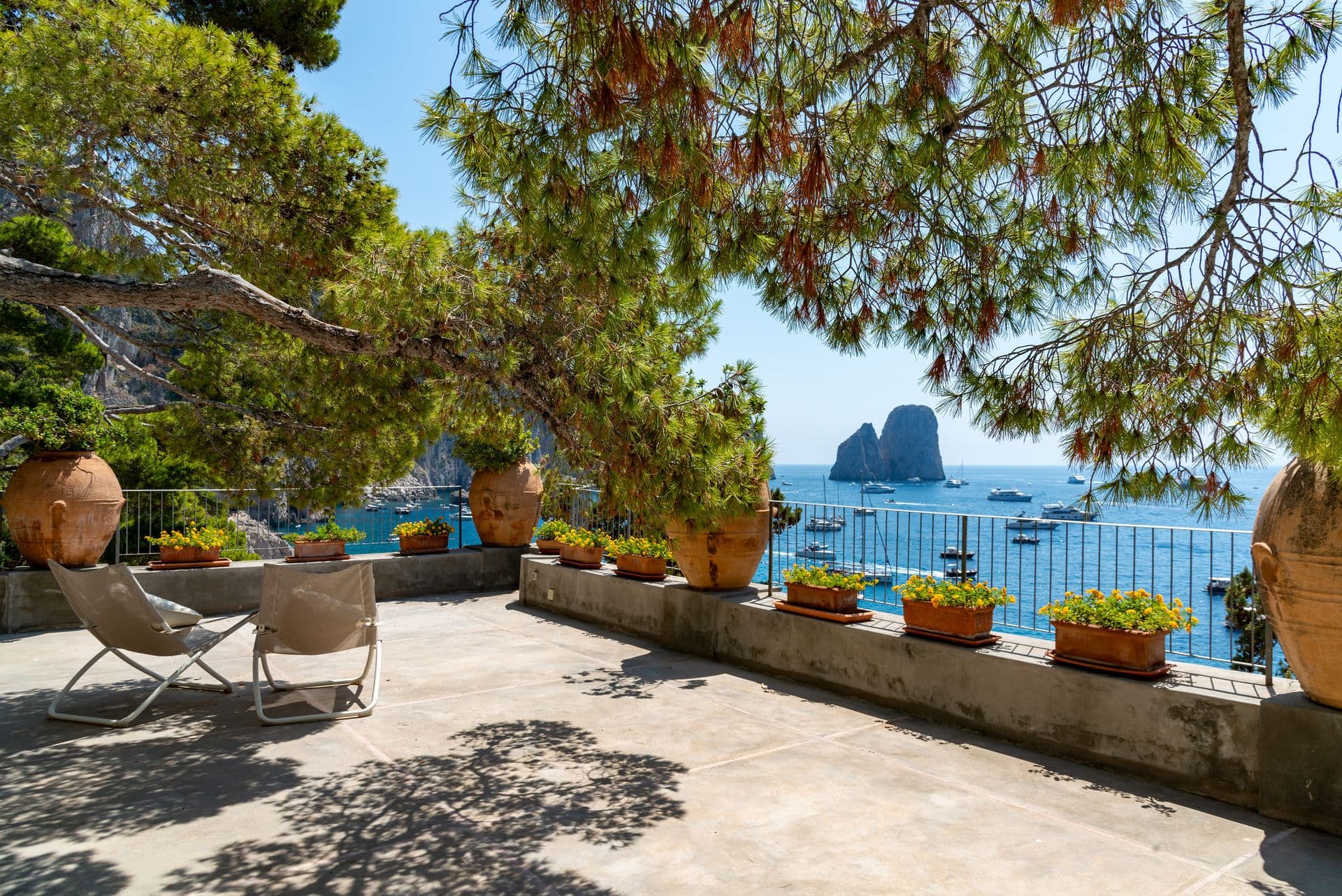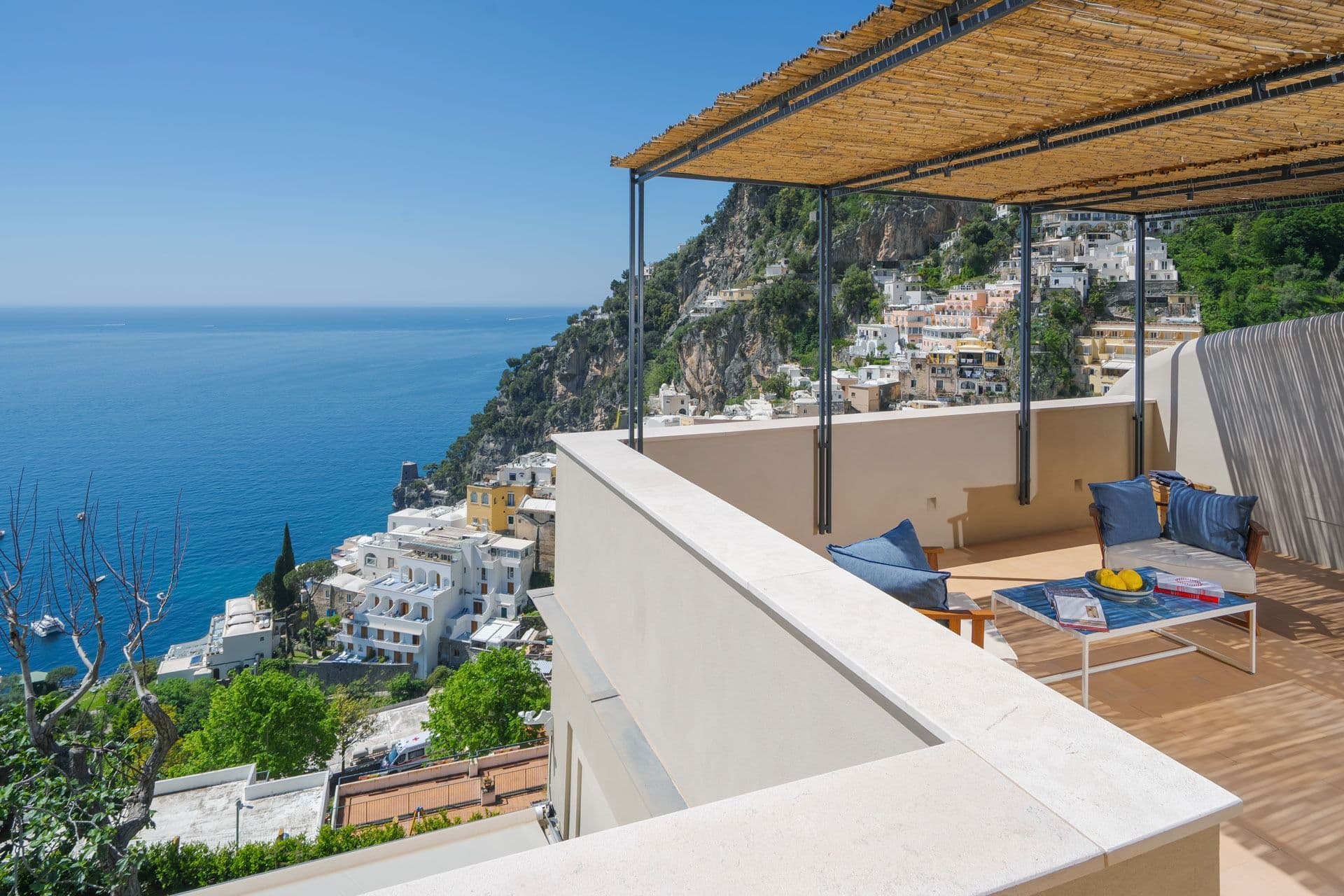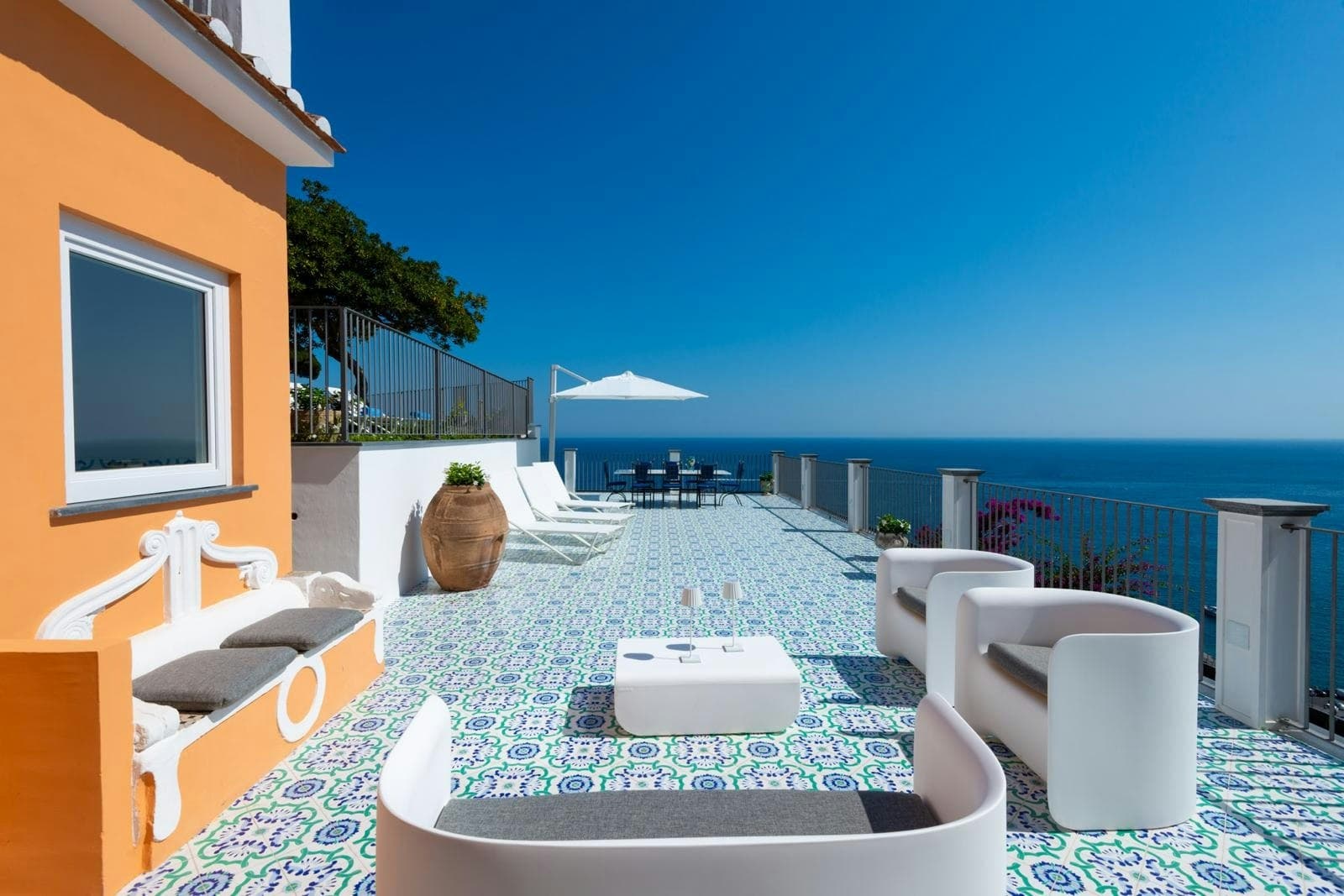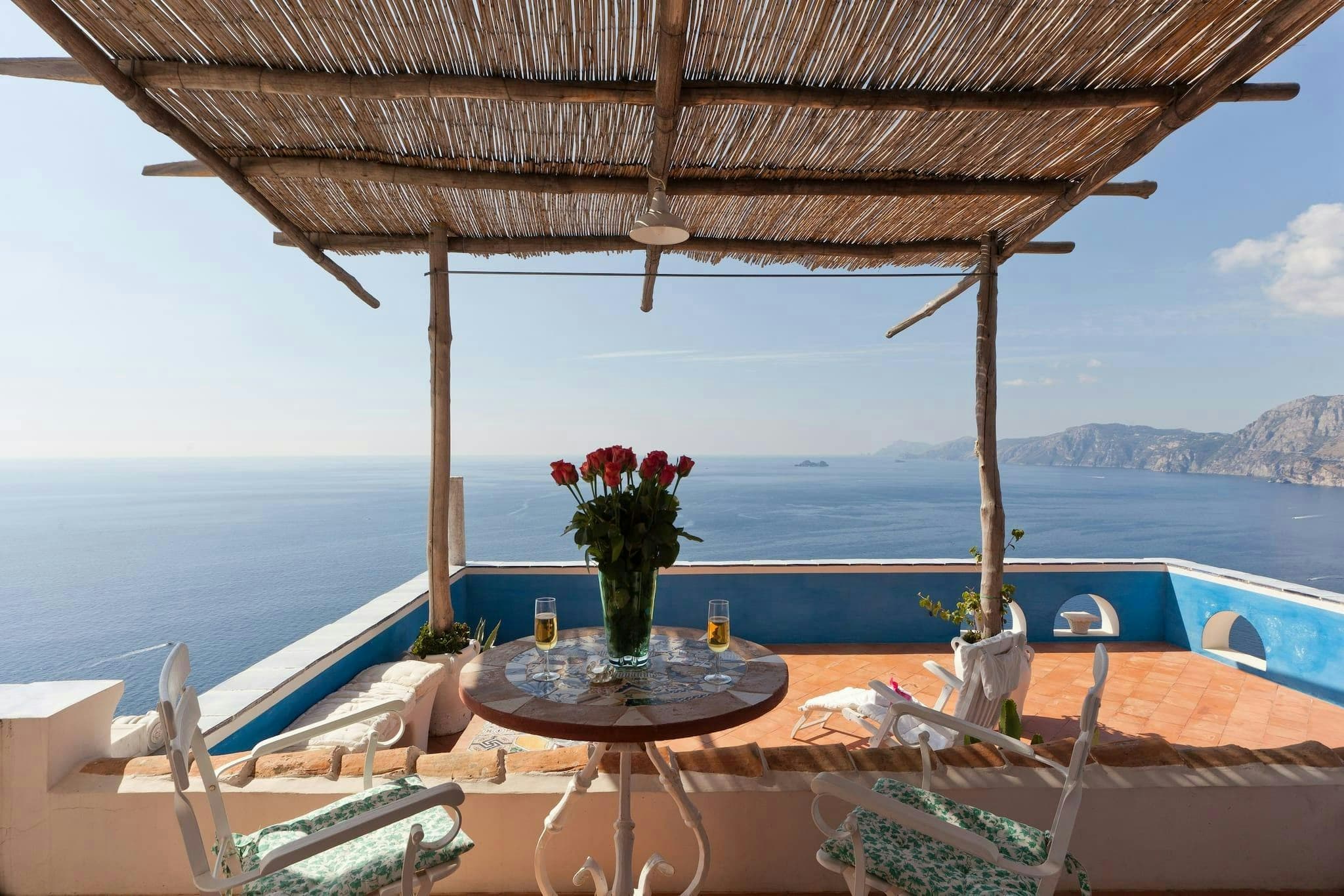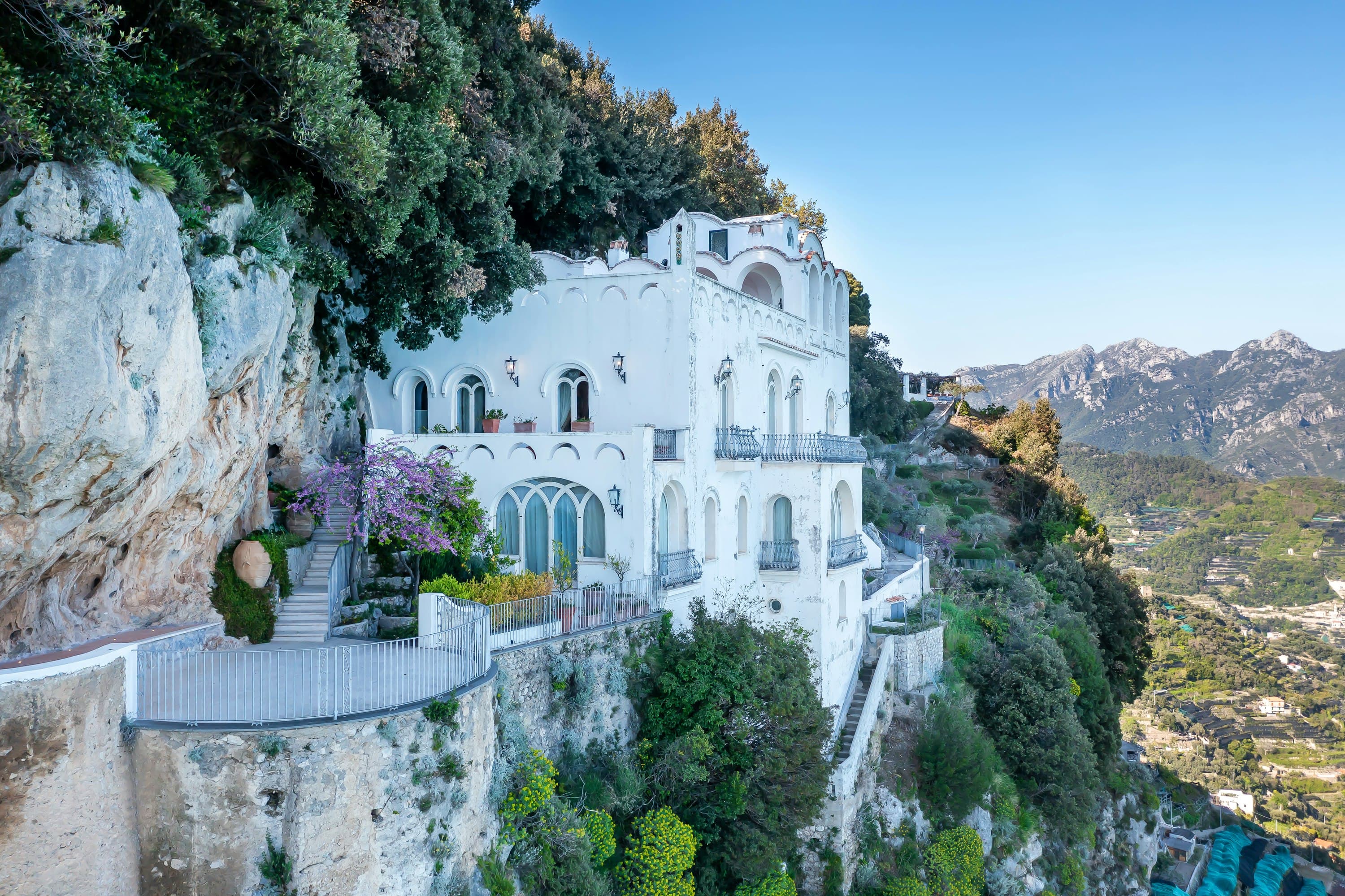

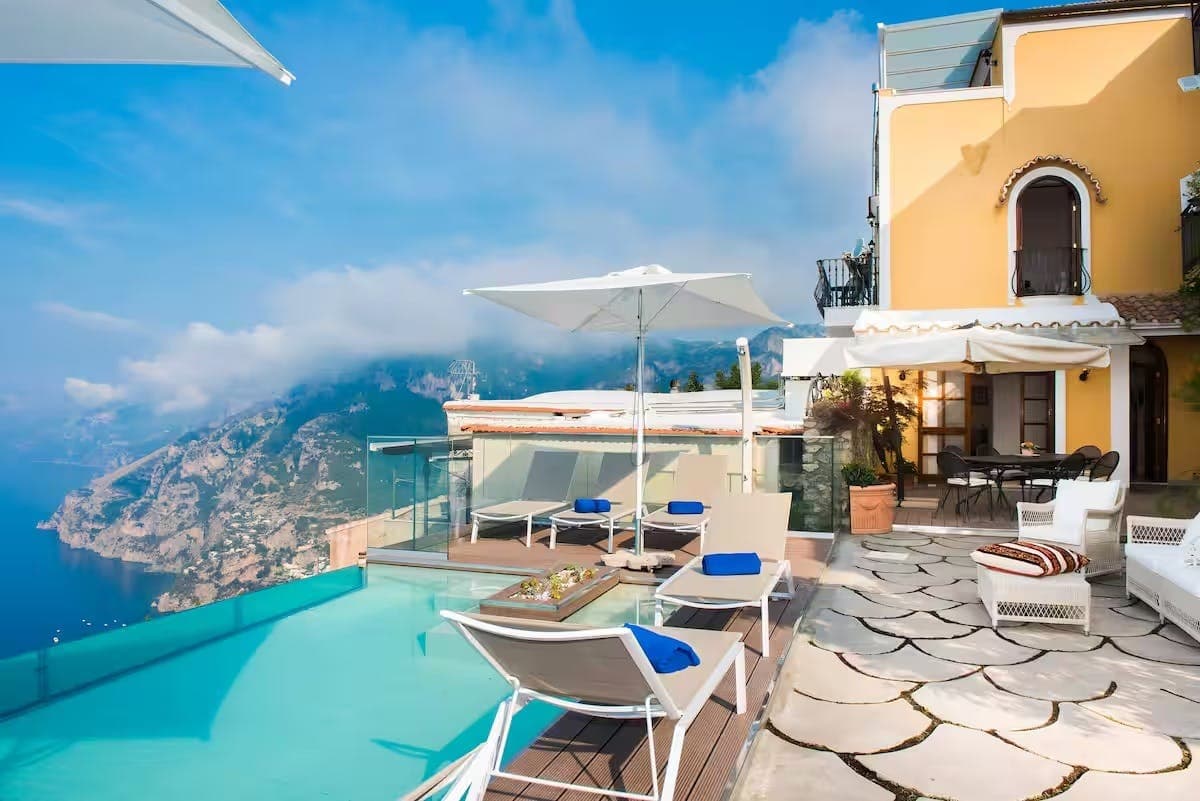
The Amalfi Coast stretches approximately 50 kilometres along the southern edge of Italy's Sorrentine Peninsula, encompassing thirteen municipalities that cascade from clifftop to shoreline between Positano in the west and Vietri sul Mare in the east. For most travellers planning a luxury villa holiday, the best time to visit the Amalfi Coast falls in May or the first half of June, when warm temperatures, manageable visitor numbers and full seasonal services align. We recommend these weeks above all others because they deliver the coast at its most vibrant without the intensity of high summer. If you are beginning your search, our curated collection of Amalfi Coast villas provides a strong starting point for availability across every season.
That said, the right month depends on what you want from the trip. Below, we break the year into distinct periods and give our honest take on each, drawn from repeated visits and the direct feedback of villa guests.
What is the weather like on the Amalfi Coast month by month?
The coast enjoys a Mediterranean climate with warm, dry summers and mild, wet winters. Summer highs in July and August regularly reach 30 to 33°C, while January and February hover around 8 to 12°C. Rainfall concentrates heavily between October and March, with November typically the wettest month at roughly 150 to 170 millimetres. Sea temperatures climb from about 18°C in May to a peak of 26 to 27°C in August, then drop steadily through autumn.
Spring and early summer bring the most agreeable balance: air temperatures sit between 20 and 28°C, humidity remains moderate and the sea grows warm enough for comfortable swimming by late May. Autumn can surprise visitors with sudden downpours that close roads temporarily, though October still delivers plenty of sunshine between showers.
Why do we recommend May to mid-June above all other months?
May to mid-June gives you the Amalfi Coast before it tips into peak-season intensity. Daytime temperatures of 22 to 28°C suit long afternoons by the pool and coastal hikes alike, and the hillsides are still lush and green from spring rain. Wisteria and bougainvillea are in full bloom along the terraces of Ravello and Praiano, adding colour to every view.
Crowds arrive, but they remain manageable. You can still secure a table at Da Adolfo in Laurito without a two-week advance booking, and the Path of the Gods between Agerola and Nocelle feels pleasantly busy rather than congested. Ferry services from Salerno and Sorrento run on full timetables from late April, connecting the main towns efficiently.
Villa pricing in May sits roughly 15 to 25 per cent below the July and August peak, and availability is significantly broader. Properties such as Riviera Vista Charm, with its sweeping coastal panorama, fill quickly for August but often still have openings in late May when we check with owners. We suggest booking four to six months ahead for this window, as demand has grown sharply over recent years.
Is July and August worth the premium?
July and August deliver the warmest sea temperatures and the longest days, but they also bring the highest prices, the densest traffic and the most competition for everything from beach clubs to restaurant reservations. If your priorities centre on swimming, water sports and the full social energy of the coast, these months reward handsomely. If you prefer tranquillity, they will test your patience.
Temperatures frequently exceed 30°C, and the afternoon heat can make sightseeing in Amalfi town or climbing the steps of Positano genuinely tiring. The famous SS163 coast road slows to a crawl on weekends, particularly around Praiano and Conca dei Marini. A hire car becomes more of a liability than an asset during these weeks; we strongly recommend relying on boats and ferries instead.
Villa rates reach their annual high, often double what you would pay in May. A week at a premium four-bedroom property may run from €8,000 to well over €15,000 depending on location and finish. That said, the experience of dining on a private terrace above Furore as the sun sets at nearly nine in the evening is difficult to replicate at any other time. Properties like The Sunlit Cliff, set high above the water, truly come into their own during these long summer evenings.
Book eight to twelve months in advance for July and August. The most sought-after villas fill before the previous Christmas.
What about late June and early September?
These shoulder weeks represent an excellent compromise. Late June carries the energy of early summer with slightly higher prices than May but noticeably fewer visitors than July. The sea has warmed to around 23 to 24°C, limoncello producers in Minori are in full production and the Ravello Festival begins its programme of concerts at Villa Rufolo, running from late June through to September.
Early September mirrors this balance on the other side of the peak. Crowds thin rapidly after Italian Ferragosto holidays end around 20 August, yet the sea stays warm at 25 to 26°C, restaurants remain fully open and the light takes on a golden, slightly softer quality that we find even more photogenic than midsummer glare. Pricing drops back towards May levels by the second week of September.
For a villa holiday that blends warmth, relative calm and full access to seasonal activities, the first two weeks of September rank among our top recommendations. Casarlano Sunsets, above Sorrento, captures this September light beautifully from its western-facing terrace, and availability in early autumn tends to be better than you might expect.
Can you visit the Amalfi Coast in spring, before May?
April brings unpredictable but often lovely weather, with temperatures around 15 to 20°C and occasional rain showers that keep the landscape brilliantly green. Some restaurants and beach clubs remain closed until late April or early May, and ferry timetables may run on reduced schedules. Villa pricing is at its lowest for the warm-weather season, sometimes 30 to 40 per cent below peak rates.
March is cooler still, better suited to cultural exploration than beach time. The Duomo di Amalfi, the ceramics workshops of Vietri sul Mare and the gardens of Villa Cimbrone in Ravello are all open and gloriously uncrowded. We enjoy early spring visits for their quiet intimacy, though we would not recommend March or early April to anyone whose trip centres on swimming or sunbathing.
If you travel in April, book a villa with a heated pool or a generous indoor living space. Pavillion Paradiso, with its well-appointed interiors, works particularly well for an early-season stay when you want the option of retreating from a cool evening.
What is the Amalfi Coast like in autumn and winter?
October remains viable for a villa holiday, especially in the first half of the month. Daytime temperatures still reach 20 to 23°C, the sea sits around 22°C and most tourist services continue to operate. Rain becomes more frequent as the month progresses, and by late October some smaller hotels and restaurants close for the season.
November through February transforms the coast into something unrecognisable to summer visitors. Many businesses shut entirely, the coast road can close temporarily due to landslides after heavy rain and some of the smaller villages feel nearly deserted. Temperatures rarely drop below 5°C, but persistent dampness and grey skies make this a challenging period for a holiday focused on outdoor living.
That said, winter has its partisans. The Christmas markets in Amalfi town, the presepe (nativity scene) traditions in the surrounding villages and the sheer drama of winter storms viewed from a warm terrace all carry real appeal. Villa rates drop to their lowest, and you may find extraordinary properties available on short notice.
How far ahead should you book an Amalfi Coast villa?
For July and August, book eight to twelve months ahead without hesitation. The best-positioned properties, particularly those with pools, sea views and four or more bedrooms, disappear fast. For May, June and September, a lead time of four to six months gives you a strong selection. Outside these months, two to three months usually suffices, and last-minute availability becomes realistic from November onwards.
We always recommend contacting villa managers directly to discuss specific requirements. Pool heating, accessibility, proximity to a particular town or a terrace facing the sunset side of the coast can all shape which property suits you best. A property like Sunny Positano Vista, looking out across Positano's cascade of houses, fills on a very different timeline to a hillside retreat above Maiori, so general rules only take you so far.
What practical tips should you keep in mind?
The SS163 coast road is narrow, winding and heavily trafficked from May through September. We advise limiting hire car use during peak months and relying instead on SITA Sud buses, scheduled ferries from Travelmar and private boat transfers. Parking at most villas is limited to one small space, and some properties require a short walk from the nearest road.
Positano, Amalfi and Ravello are the three most visited towns. For a quieter base, consider Praiano, Furore or Conca dei Marini, all of which sit between the main centres and provide easier access in both directions along the coast. Arch Above the Sea, set along this quieter central stretch, exemplifies the kind of retreat that places you close to everything without the constant foot traffic of Positano's main streets.
Mobile phone coverage is generally reliable along the coast, though signal can drop in steep valleys. Most villas provide Wi-Fi, but speeds vary. If you rely on a strong connection for remote work, confirm this with the property manager before booking.
Frequently asked questions
When is the best time to visit the Amalfi Coast for warm sea swimming?
The sea reaches comfortable swimming temperatures from mid-June through September, peaking at 26 to 27°C in August. May is possible for confident swimmers, but at around 18 to 20°C the water still feels bracing. If swimming ranks as your top priority, late June to mid-September gives you the warmest conditions combined with full beach-club services.
How crowded is the Amalfi Coast in August?
August is the busiest month on the entire coast, driven largely by Italian domestic holidays around Ferragosto on 15 August. Expect heavy traffic on the SS163, long waits at popular restaurants without reservations and packed beaches at Positano and Amalfi. Booking a villa with a private pool and terrace becomes especially valuable in August, as it provides a retreat from the crowds during the hottest hours.
Is October a good time for an Amalfi Coast villa holiday?
Early October can be excellent. Temperatures of 20 to 23°C suit hiking and sightseeing, the sea remains swimmable at around 22°C and villa rates drop considerably from peak-season levels. Rain becomes more likely in the second half of the month, and some restaurants begin closing for winter after mid-October. We recommend the first two weeks of October for travellers who want warmth without summer intensity.
How far in advance should you book a luxury Amalfi Coast villa?
For peak season in July and August, aim for eight to twelve months ahead. For May, June and September, four to six months provides a good selection. Shoulder and off-season months require less lead time, with two to three months generally sufficient. The most in-demand properties, those with pools, generous terraces and direct sea views, always book earliest regardless of the month.
What is the cheapest time to rent a villa on the Amalfi Coast?
November through March represents the lowest pricing tier, with weekly rates often 50 to 60 per cent below summer peaks. April and late October also provide strong value. Keep in mind that some villa owners close their properties entirely during winter months, so the selection narrows. For the best combination of value and good weather, we point travellers towards May and early to mid-September.
Do you need a car on the Amalfi Coast?
A hire car provides flexibility for day trips to Pompeii, Paestum or the hilltop villages above the coast, but it becomes a burden in the main coastal towns during summer. Narrow roads, limited parking and heavy traffic make ferries, buses and private boat transfers far more practical from June through September. Many villa guests hire a car for arrival and departure days only, then rely on water transport and taxis for the rest of their stay.