The Dalmatian Coast stretches roughly 350 kilometres along Croatia's Adriatic seaboard, from Split south towards Dubrovnik, taking in more than a thousand islands on its way. For travellers seeking luxury accommodation, three islands stand apart: Hvar, Brac and Korcula, each with a distinct character and a growing collection of exceptional hotels. We have spent time on all three, returning across different seasons, and this guide draws on those visits to help you choose the right base. If you are planning a broader Croatian itinerary, our guide to the best luxury hotels in Croatia covers the mainland and wider coastline in detail.
Choosing between these islands can feel like a happy dilemma. Hvar draws a glamorous crowd and stays lively well into October. Brac appeals to those who prefer quiet coves and an unhurried pace. Korcula rewards visitors with medieval architecture, excellent local wine and a genuine sense of seclusion. Below, we break down each island and its best accommodation, along with practical details on getting there and when to book.
Why choose Hvar for a luxury hotel stay?
Hvar Town has been welcoming travellers since the Venetians built its harbour fortifications in the thirteenth century, and today it functions as the social capital of the Dalmatian islands. The town combines a car-free marble waterfront, a lively restaurant scene and easy access to the Pakleni Islands, a small archipelago of pine-covered islets just a ten-minute boat ride away. Hvar suits couples and groups who want culture and nightlife alongside their pool time.
What are the best luxury hotels in Hvar Town?
The Adriana Hvar Spa Hotel sits directly on the Riva, Hvar's main waterfront promenade, and its rooftop bar provides one of the finest vantage points on the island. Rooms face either the harbour or the old fortress, and the spa draws on Adriatic botanicals. We found it ideal for a three-night stay with easy walking access to restaurants, galleries and the morning market.
For something more intimate, the Heritage Hotel Navia occupies a renovated stone townhouse a few minutes uphill from the harbour. It has fewer than fifteen rooms, each furnished with local textiles and reclaimed timber. Breakfast arrives on the rooftop terrace, and the staff arrange private boat transfers to quiet beaches on the Pakleni Islands with little fuss.
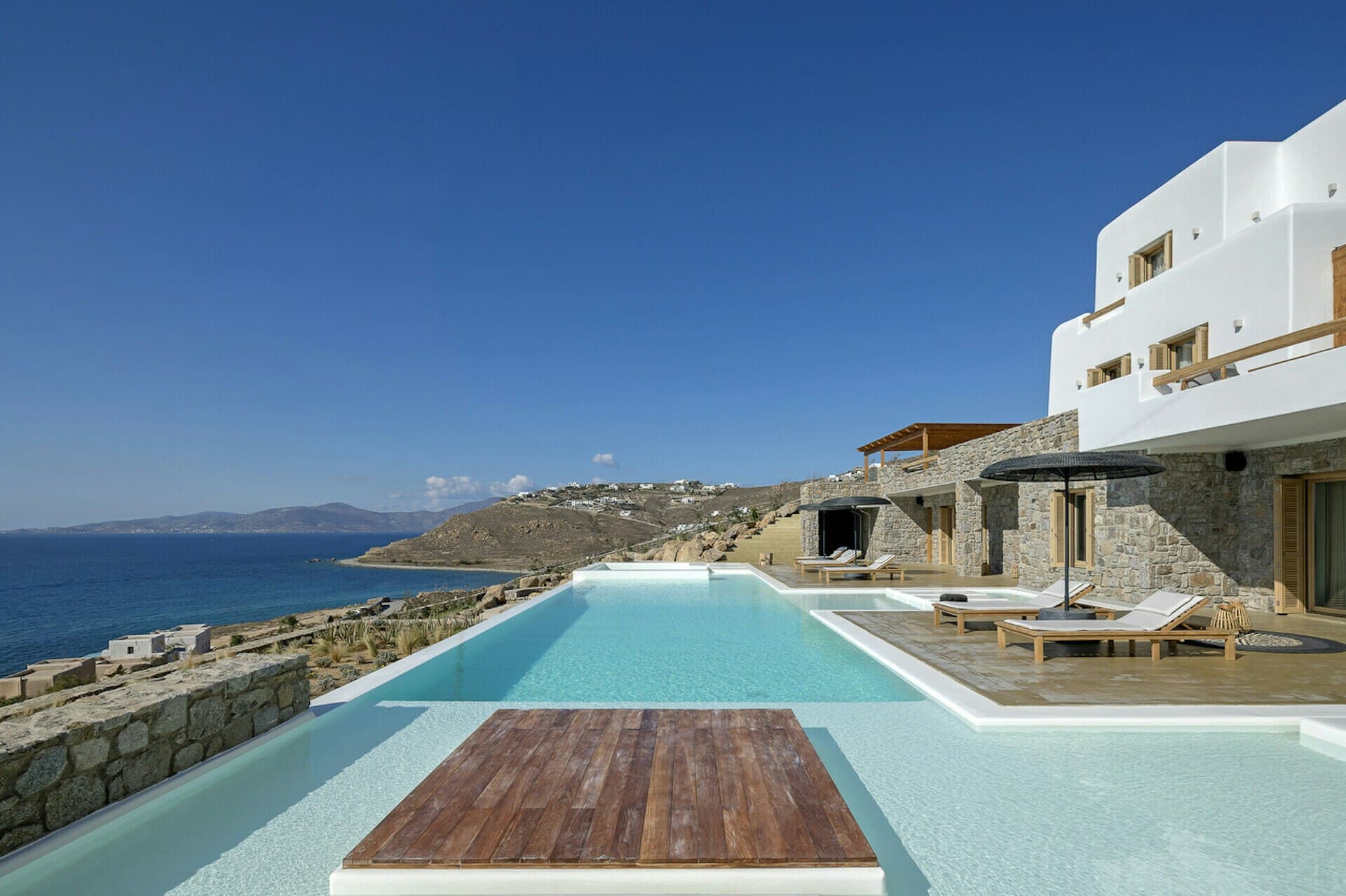
Travellers with a larger budget should look at Maslina Resort, located roughly seven kilometres east of Hvar Town near Stari Grad. Maslina opened in 2020 and quickly earned a reputation as one of the most thoughtfully designed boutique hotels on the Dalmatian Coast. The property spreads across a hillside of olive groves, with an organic garden, a spa that uses locally pressed olive oil and a main restaurant that sources almost everything from the island. We spent two nights here in late September and appreciated the calm, the quality of the food and the views across the Stari Grad plain, a UNESCO-listed agricultural landscape dating back to the fourth century BC.
How do you get to Hvar?
Split Airport, on the mainland, serves as the main gateway. From Split's ferry terminal, catamarans reach Hvar Town in roughly 60 minutes; car ferries to Stari Grad take about two hours. During high season (July and August), catamarans run several times daily. In the shoulder months, services reduce but remain reliable. We recommend booking ferry tickets through Jadrolinija or Krilo a few days in advance, especially for weekend crossings.
What makes Brac different from the other Dalmatian islands?
Brac is the largest island in central Dalmatia, covering nearly 400 square kilometres, yet it feels far less developed than Hvar. The interior rises to Vidova Gora, the highest point on any Croatian island at 778 metres, and the famous Zlatni Rat beach near Bol shifts its shape with the wind and current. Brac suits families, active travellers and anyone seeking a quieter pace without sacrificing comfort.
Which are the best hotels on Brac?
Bluesun Hotel Elaphusa in Bol is a large, well-run resort set among pine trees a short walk from Zlatni Rat. It suits families who want pools, sports facilities and beach access in one place. Rooms are modern rather than characterful, but the location and service make it a reliable choice.
For a more refined stay, we recommend Lemongarden, a boutique property in the village of Sutivan on Brac's northern coast. The hotel occupies a restored baroque manor surrounded by lemon and olive trees, with just seven suites and a saltwater pool. Sutivan itself is a working fishing village with a handful of konobas (traditional taverns) and almost no tourist infrastructure beyond the hotel. This is where we would return for a long weekend of reading, swimming and eating grilled fish. If you enjoy this kind of village-scale luxury, you may also appreciate our selection of intimate European boutique hotels.
Heritage Hotel & Restaurant & Tavern Marko is another Sutivan option worth noting. It blends heritage stonework with contemporary interiors and runs a well-regarded restaurant serving Dalmatian cuisine with a modern touch. The hotel has around fifteen rooms, making it small enough that the owners greet most guests personally.
How accessible is Brac?
Brac has its own small airport near Bol, with seasonal flights from Zagreb and occasional charters from other European cities. More commonly, travellers take the car ferry from Split to Supetar on Brac's northern coast; the crossing takes around 50 minutes and runs frequently year-round. From Supetar, Bol is a 35-minute drive across the island. Sutivan sits just ten minutes west of the ferry port.
Why should Korcula be on your shortlist?
Korcula Town, the island's main settlement, ranks among the best-preserved medieval towns on the entire Adriatic. Its herringbone street layout was designed by Venetian planners to channel summer breezes and block the cold bura wind in winter. The island also produces some of Croatia's finest white wines, including Posip and Grk, both from indigenous grape varieties. Korcula suits travellers who prioritise history, food and wine over beach life, though good swimming spots are never far away.
What are the top places to stay on Korcula?
Hotel Lešic Dimitri Palace is the leading luxury property on the island. Set within five restored medieval houses in the heart of Korcula Town, it comprises just six residences, each with a kitchen and a private courtyard. The interiors reference the Silk Road trading routes that once passed through Korcula, incorporating textiles and objects from China, India and the Middle East alongside Croatian stone and timber. The hotel's restaurant, LD, holds a place among the best dining rooms on the Dalmatian Coast, with tasting menus that draw heavily on Korcula's seafood and wine.
We also stayed at Hotel Korcula De La Ville, a more accessible option directly on the waterfront. Rooms are comfortable rather than lavish, but the terrace looks across the narrow strait towards the Peljesac Peninsula, and the price point makes it a strong choice for travellers who want a central location without the top-tier outlay. It has been welcoming guests since the early twentieth century, and the traditional atmosphere has a particular charm.
For those who prefer a rural setting, Aminess Lume Hotel near Smokvica sits among vineyards in the island's interior. The property has a wellness centre and a good restaurant, and it makes a practical base for wine tasting across the island. Our guide to wine-focused stays in southern Europe includes more options in this vein.
How do you reach Korcula?
Most travellers approach from Split or Dubrovnik. From Split, a catamaran reaches Korcula Town in around two and a half to three hours, depending on the operator and route. From Dubrovnik, the journey takes roughly two hours by catamaran. There is also a car ferry from Orebic on the Peljesac Peninsula to Dominče, a short drive from Korcula Town; this crossing takes only 20 minutes and runs frequently. If you are driving from Dubrovnik, the route along the Peljesac Peninsula is scenic and takes approximately two hours including the ferry.
Where should you stay for island-hopping?
Split works as the most practical hub for visiting all three islands. Croatia's second city has a fascinating old town built within the walls of Diocletian's Palace, strong restaurant and bar culture and an international airport with connections across Europe. Several of our recommended luxury hotels in Split sit within walking distance of the ferry terminal.
From Split, you can comfortably visit Brac and Hvar on consecutive days, adding Korcula if you have a week or more. A typical route might run Split to Brac (two nights), Brac to Hvar (three nights), then Hvar to Korcula (two to three nights), with catamarans connecting each leg. We suggest booking inter-island ferries at least a few days ahead during July and August.
Dubrovnik serves as an alternative starting point, particularly for Korcula. Travellers combining a Dubrovnik city break with an island stay can reach Korcula in a single morning, making it a natural pairing. Our Dubrovnik accommodation guide covers the city in full.
When is the best time to visit the Dalmatian Coast?
Late May to mid-June and September to early October represent the most rewarding windows. Sea temperatures reach a comfortable 22 to 24 degrees Celsius by June and stay warm through October. Hotel rates drop noticeably outside the July and August peak, and you will find restaurants and beaches far less crowded.
July and August bring hot, dry weather with daytime temperatures regularly exceeding 30 degrees Celsius. This is when the islands feel busiest, particularly Hvar Town, where the nightlife scene runs at full volume. Families with school-age children often have no choice but to visit in this period; booking four to six months in advance is sensible for the best properties.
In late September and October, the light softens, the grape harvest begins and the islands take on a quieter, more contemplative quality. Some smaller hotels close by late October, but the larger properties and restaurants in the main towns stay open. We have visited in early October and found it ideal: warm enough to swim, cool enough to walk, and still with a good choice of dining.
Winter travel is possible but limited. Korcula Town and Hvar Town retain a handful of open restaurants and hotels, but ferry schedules thin out and many boutique properties close entirely from November through March.
Frequently asked questions
What is the best island on the Dalmatian Coast for a luxury hotel stay?
Hvar has the widest selection of luxury and boutique hotels, including Maslina Resort and the Adriana Hvar Spa Hotel. Korcula's Lešic Dimitri Palace is arguably the single finest property on any of the three islands, but the overall choice is smaller. We suggest Hvar for first-time visitors who want variety and Korcula for those who value intimacy and character.
How many nights should you spend on each island?
We recommend a minimum of two nights per island to allow time for exploring beyond the main town. Three nights on Hvar gives space for a day trip to the Pakleni Islands and an evening in Stari Grad. Two nights on Brac is enough to visit Zlatni Rat and enjoy a village dinner in Sutivan. Korcula rewards three nights if you plan to visit vineyards and take a boat to the neighbouring island of Mljet.
Are the Dalmatian Coast islands suitable for families?
Brac is the most family-friendly of the three, with shallow swimming areas, a relaxed atmosphere and larger resort-style hotels near Bol. Hvar suits families with older children or teenagers who enjoy watersports and a livelier scene. Korcula is a good fit for families interested in history, with its compact old town and calm waterfront.
Do you need a hire car on the Dalmatian islands?
On Brac, a hire car is useful for reaching beaches and villages away from the ferry port and Bol. On Hvar, you can manage well without a car if you stay in Hvar Town, though a car or scooter helps for visiting the island's interior and Stari Grad. Korcula is compact enough that many travellers explore by bicycle or on foot, using taxis for longer trips.
How far in advance should you book boutique hotels on the Dalmatian Coast?
For July and August stays, we advise booking three to six months ahead, particularly for small properties like Lemongarden or Lešic Dimitri Palace, which have very limited room counts. For June or September visits, six to eight weeks is usually sufficient, though the most popular rooms at top properties can still fill early. Shoulder-season travellers benefit from greater flexibility and occasionally from reduced rates.
Is it easy to travel between the islands by ferry?
Catamaran services connect Hvar, Brac and Korcula throughout the summer, with the busiest schedules running from mid-June to mid-September. Jadrolinija and Krilo operate the main routes. Journey times range from around 30 minutes (Hvar to Brac via Milna) to three hours (Split to Korcula). Outside peak season, connections reduce and some routes drop to a few sailings per week, so checking timetables in advance is important.