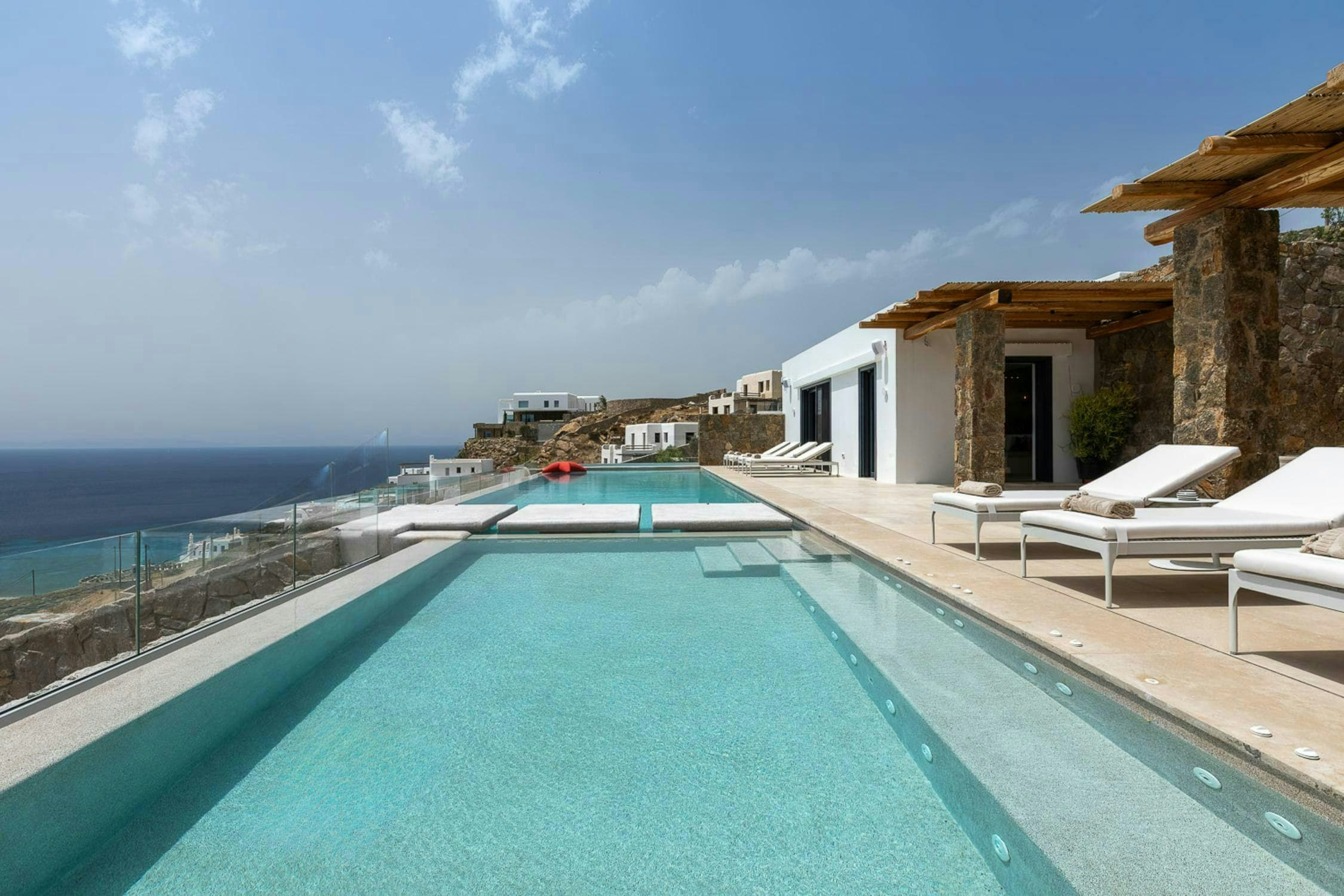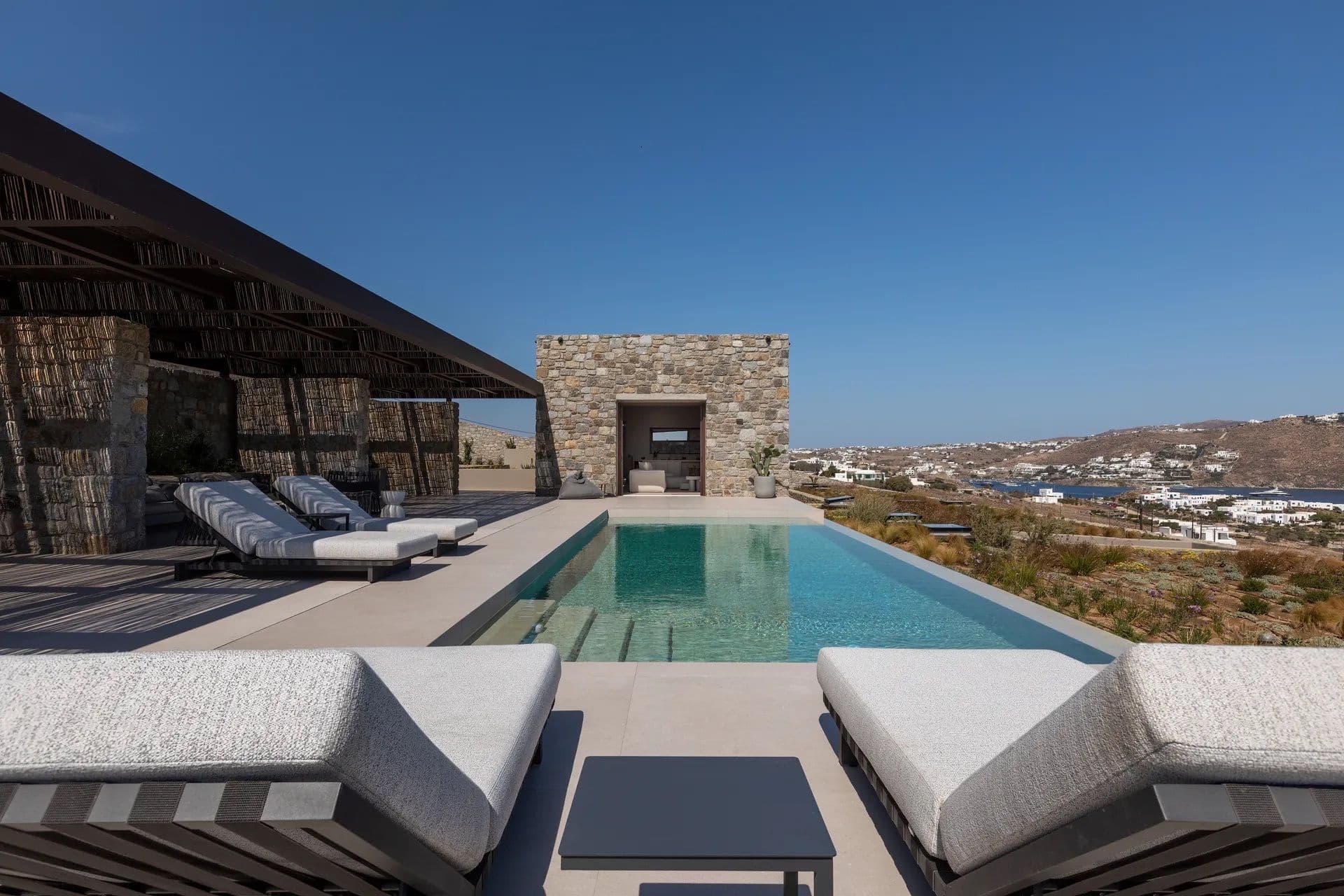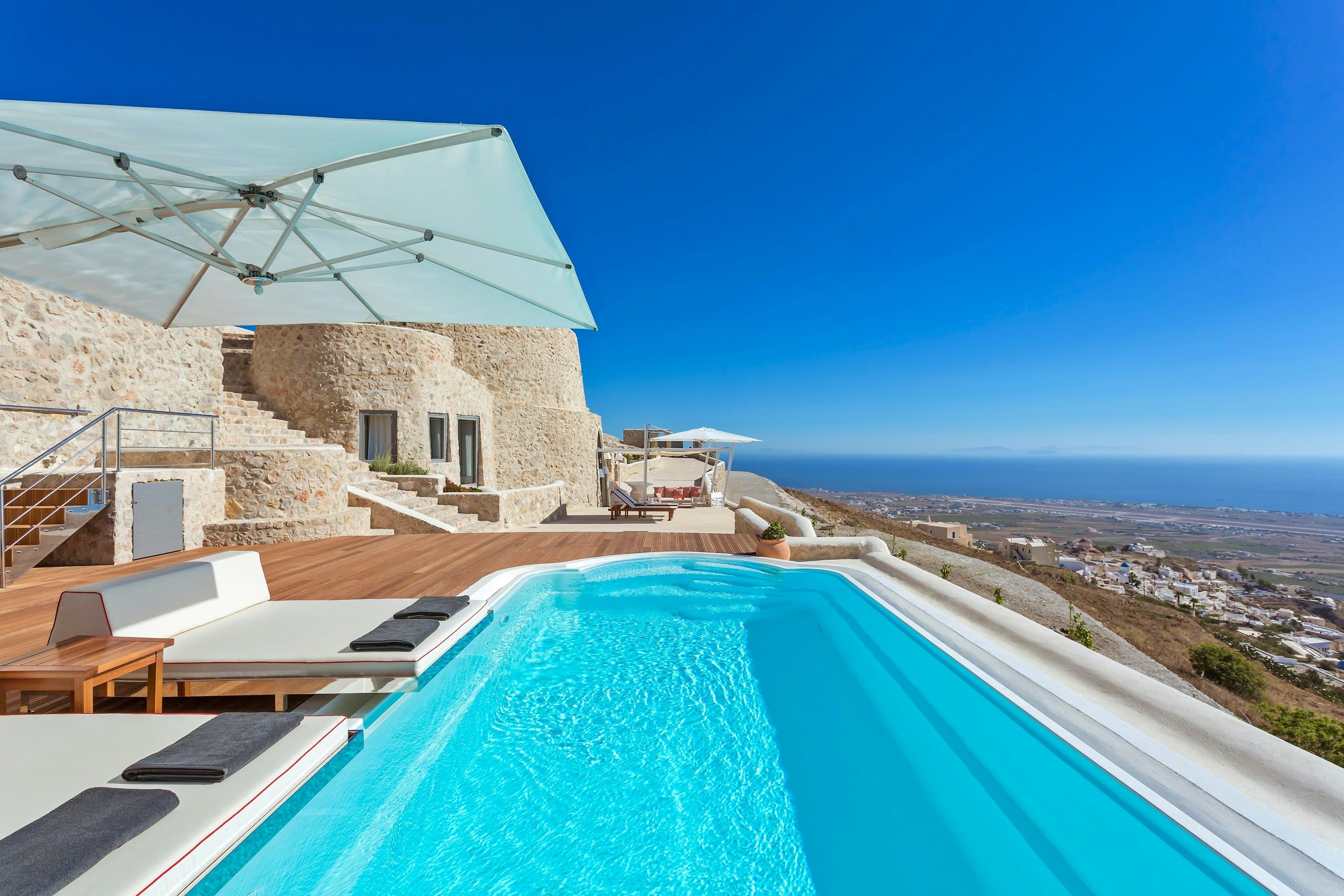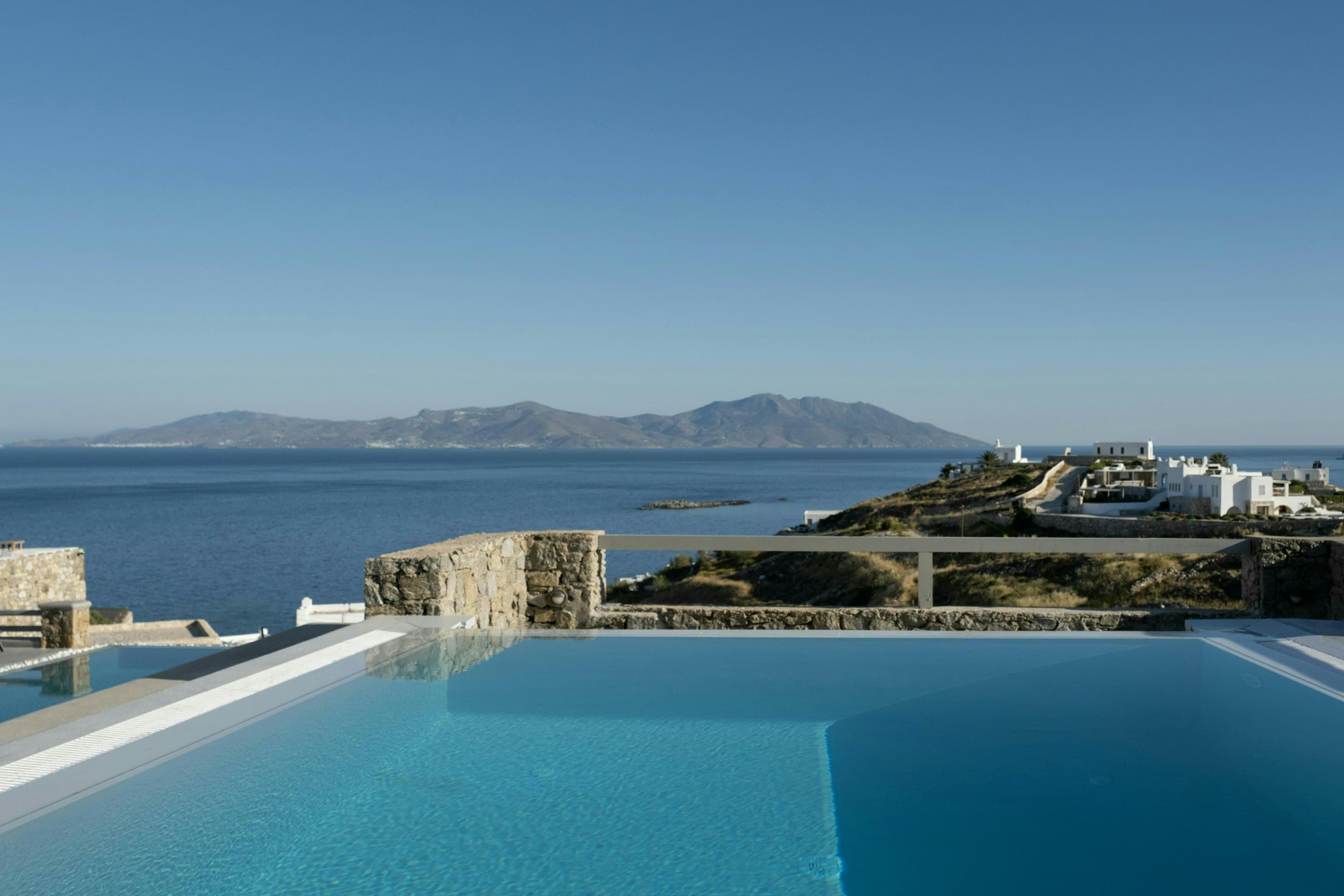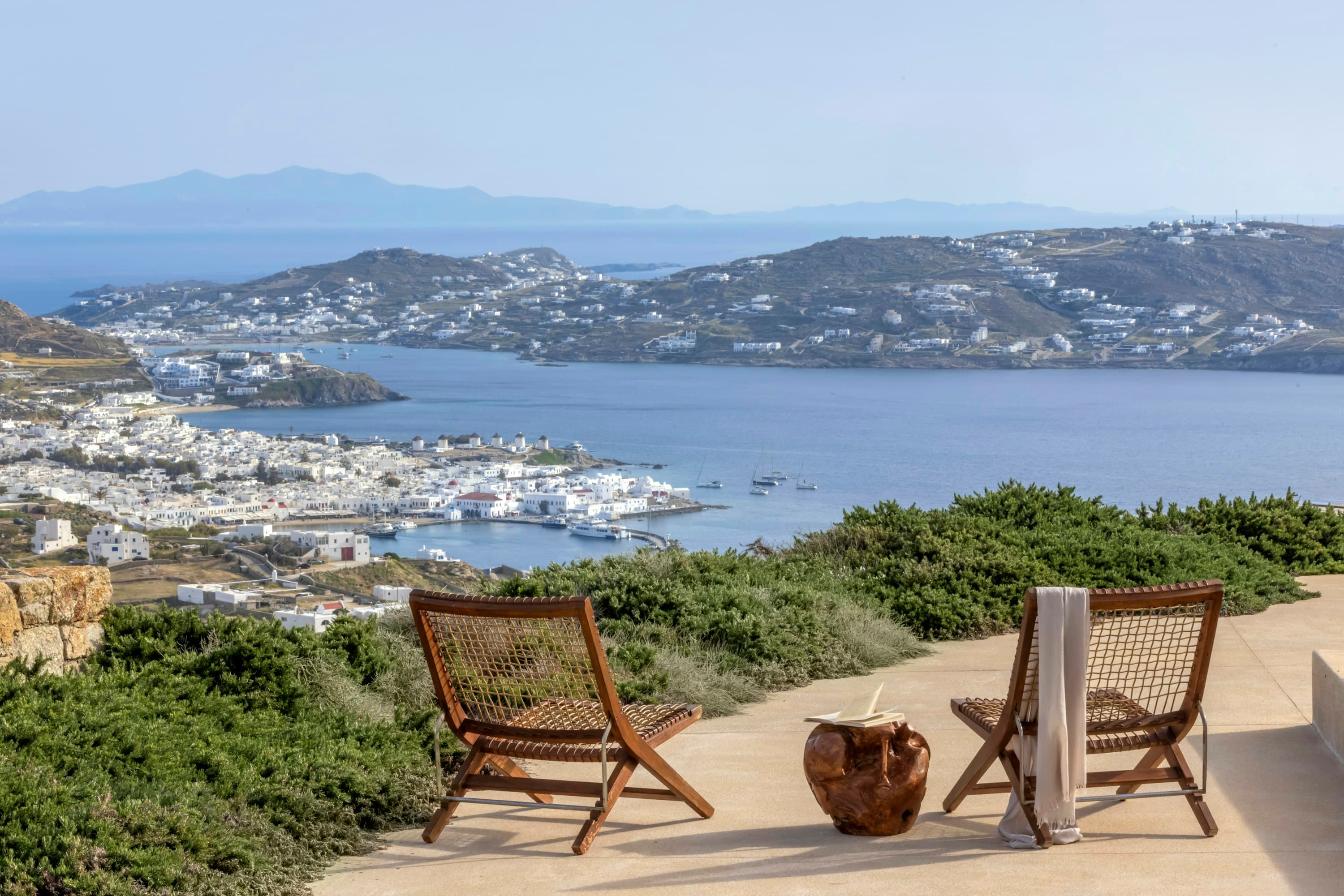

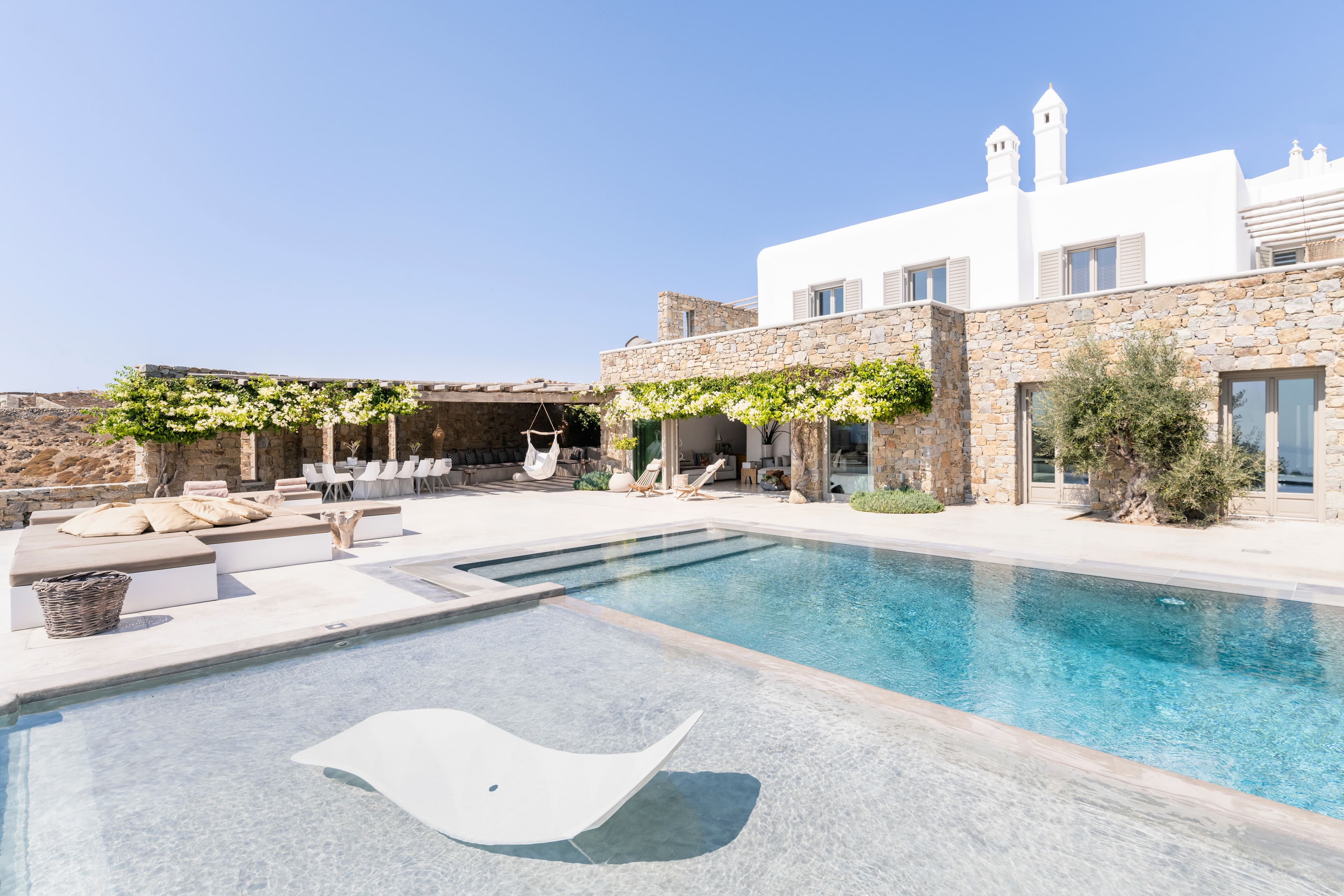
Santorini stretches roughly 18 kilometres from its northern tip at Oia to the southern beaches near Akrotiri, with most of its accommodation clustered along the western caldera rim or spread across its quieter eastern coastline. For an island of just 76 square kilometres, the range of places to stay varies dramatically from one village to the next, and choosing the right base will shape your entire experience. We have returned to Santorini across multiple seasons and can say with confidence that where you stay matters more here than on almost any other Greek island. If you are planning a first trip to the Greek islands, this guide will help you make a decision you will not regret.
The question of where to stay in Santorini comes up more than almost any other destination query we receive. Couples, honeymooners and first-time visitors all want the same reassurance: which village, which side of the island, which view? Below, we break it down area by area, covering the caldera towns, the beach villages and the quieter corners that most guides overlook.
Is Oia the best place to stay in Santorini for couples?
Oia is the most romantic and most photographed village on Santorini, and it earns that reputation honestly. The village sits at the northern tip of the caldera, a cascade of whitewashed cave houses tumbling down volcanic cliffs towards the sea. Sunset here draws crowds to the castle ruins every evening, but staying overnight means you get something the day-trippers never experience: the village in the early morning, when the light turns the buildings pale gold and the only sound is a distant church bell.
For couples, Oia delivers an intensity of beauty that justifies its premium prices. Cave suites carved into the cliff face, many with private plunge pools overlooking the caldera, represent the classic Santorini stay. Properties like Katikies, Andronis Boutique and Canaves Oia Epitome have set the standard for intimate, design-led accommodation. Expect to pay significantly more here than anywhere else on the island, particularly from June through September.
What should first-timers know about staying in Oia?
First-timers should know that Oia is compact but hilly, with hundreds of steps connecting its different levels. There are no cars within the village itself, so you will carry or wheel your luggage from the nearest drop-off point, though most higher-end properties arrange porter service. The village has excellent restaurants, a handful of art galleries and a small selection of shops, but it is not the place for lively nightlife. Oia sits approximately 25 minutes by car from Santorini Airport and around 30 minutes from Athinios port.
The best advice we can give is this: if you want the quintessential caldera view and you are visiting Santorini for a special occasion, Oia will not disappoint. Book well ahead for July and August. If you are watching your budget, consider visiting in May or October, when rates drop and the light remains extraordinary.
What makes Fira a strong choice for first-time visitors?
Fira is Santorini's capital and its most practical base, combining caldera views with a wider range of restaurants, shops and transport links than any other village on the island. If you are visiting for the first time and want to explore the whole island without relying on a hire car, Fira gives you the most flexibility. Buses to Oia, Kamari, Perissa and Akrotiri all depart from Fira's central station.
The town has a different energy to Oia. It is busier, younger and more varied. You will find cocktail bars alongside traditional tavernas, international restaurants alongside family-run ouzeries. The caldera-edge hotels here tend to cost less than their equivalents in Oia, yet many provide comparable views across the volcanic crater towards Nea Kameni and Thirassia.
How does the Oia vs Fira debate really play out?
The Oia vs Fira comparison ultimately comes down to priorities. Oia is quieter, more exclusive and better for sunset. Fira is more connected, more lively and better for travellers who want to dine somewhere different every night without repeating themselves. We think of Oia as a place you stay to be still, and Fira as a place you stay to move.
For couples seeking romance above all else, Oia usually wins. For first-timers who want a rounded experience of Santorini, covering beaches, archaeological sites and village life, Fira makes a smarter base. Properties worth noting in Fira include Cosmopolitan Suites, with its infinity pool right on the caldera edge, and Aria Suites, which manages to feel secluded despite its central location.
Fira also connects to the quieter village of Firostefani via a 10-minute clifftop walk, and to Imerovigli within about 25 minutes on foot. This caldera path is one of the finest short walks in the Cyclades, and staying in Fira puts you right at its starting point.
Why do we recommend Imerovigli to so many couples?
Imerovigli sits at the highest point of Santorini's caldera rim, roughly 300 metres above sea level, and we consider it the most underrated base on the island. It has the best unobstructed views of any village, a fraction of Oia's foot traffic and a growing collection of exceptional small hotels. For couples who want the caldera experience without the crowds, Imerovigli is where we consistently point them.
The village is small enough to walk end to end in 15 minutes and quiet enough that you can hear the wind. Skaros Rock, the dramatic promontory jutting out from the cliff below the village, makes for a spectacular short hike, particularly at sunset. Restaurants here are fewer than in Fira or Oia but include some genuine highlights, and the caldera footpath means you are never more than a 25-minute stroll from either Fira's dining scene or Firostefani's excellent options.
What kind of accommodation defines Imerovigli?
Small, design-conscious cave hotels dominate Imerovigli's accommodation. Properties tend to have between 10 and 30 rooms, many carved into the volcanic rock with private terraces and plunge pools facing the caldera. Grace Hotel, now part of the Auberge collection, is perhaps the most recognised name, but smaller properties like Cavo Tagoo and Astra Suites deliver equally memorable stays with a more personal feel.
Imerovigli sits about 20 minutes from the airport by car and is connected to Fira by local bus, though service is less frequent than on the main routes. We recommend this village to couples on a second or third visit who already know they love the caldera setting and want more peace, but it works brilliantly for first-timers willing to trade convenience for tranquillity. Our guide to romantic stays in Greece includes several Imerovigli properties we have visited and loved.
Where to stay in Santorini for sunset without the crowds?
Firostefani delivers caldera sunsets with far less congestion than Oia, and we think it deserves more attention from first-time visitors. The village sits between Fira and Imerovigli, roughly a 10-minute walk from the centre of either, which gives it an ideal balance of accessibility and calm. The iconic blue-domed church of Agios Theodoros, one of the most photographed spots on the island, is here.
For couples who want to watch the sun drop behind the caldera from a private terrace rather than jostling among crowds at Oia castle, Firostefani is where to stay in Santorini for sunset. The westward orientation of the caldera rim means every village along it gets the same sun, but Firostefani's slightly elevated position and lower visitor numbers create a more intimate experience.
What are Firostefani's best accommodation options?
Boutique cave suites and converted traditional houses define the accommodation here. Tsitouras Collection, housed in a 19th-century mansion, combines genuine antiques with caldera views. Homeric Poems is a newer property that has quickly earned a strong reputation for its architecture and hospitality. Prices here generally sit between Fira and Oia levels, making it a compelling middle ground.
Access is straightforward. You can walk to Fira's bus station in 10 to 15 minutes, and taxis to the airport take around 20 minutes. For couples prioritising sunset views and a quieter evening atmosphere, Firostefani should be on your shortlist.
Should you consider the beach side of Santorini?
The eastern and southern coasts of Santorini provide a completely different experience, with black-sand beaches, lower prices and a more relaxed village atmosphere. If your priority is swimming, sunbathing and long lunches by the water rather than caldera views, the beach villages of Kamari and Perissa are worth serious consideration.
Kamari sits on the eastern coast, about 10 kilometres from Fira, with a long stretch of dark volcanic sand backed by restaurants, bars and a pleasant seafront promenade. It has a more resort-style feel than the caldera villages, with larger hotels, family-friendly facilities and easy beach access. Perissa, on the other side of Mesa Vouno mountain, has a similar beach but a slightly younger, more laid-back vibe.
Who suits the beach villages best?
Travellers who want an affordable base with daily beach time will get the most from Kamari or Perissa. These villages work well for couples who plan to hire a car or scooter and explore the island by day, returning to the beach each evening. They also suit first-timers who find the caldera villages too steep or physically challenging, as both beach towns are flat and easy to walk around.
The best place to stay in Santorini is not automatically the caldera rim. We have met many travellers who preferred the beach side precisely because it felt less curated and more like a genuine Greek holiday. Accommodation here ranges from simple studios to comfortable boutique hotels like Hotel Sigal in Kamari, and prices run significantly lower than on the western cliffs. Our Cyclades island-hopping itinerary includes practical advice for combining Santorini's beach coast with time on neighbouring islands like Ios or Naxos.
When is the best time to visit Santorini?
Late April to mid-June and mid-September to late October represent the most rewarding windows for couples and first-time visitors. During these months, temperatures sit comfortably between 20 and 28 degrees Celsius, accommodation prices drop well below peak-season rates and the villages feel pleasantly lively without the overwhelming crowds of July and August.
May brings wildflowers across the island's otherwise arid landscape, and the sea begins to warm enough for swimming by late May. September and October bring warm seas, golden light and shorter queues at Akrotiri's archaeological site and the Museum of Prehistoric Thera in Fira.
What about peak summer?
July and August bring temperatures above 30 degrees, intense sunshine and the largest crowds. Oia in particular can feel uncomfortably congested during peak hours, with cruise-ship visitors arriving in waves from late morning. If you must travel in high summer, we suggest staying in Imerovigli or Firostefani, where the impact of day-trippers is less pronounced.
Peak season does have its advantages. Every restaurant, bar and excursion operator is open, sunset boat tours run daily and the nightlife in Fira reaches full swing. Book accommodation at least three to four months ahead, and expect to pay premium rates across all villages. For broader seasonal advice, our guide to the best time to visit Greece covers the entire country.
How should first-timers plan their trip length?
Three to four full days gives first-time visitors enough time to experience the caldera villages, visit a beach, take a boat trip to the volcanic island of Nea Kameni and enjoy several unhurried meals. Fewer than three days and you will feel rushed. More than five and you may find yourself restless, as Santorini is a small island and its highlights are concentrated. Many travellers choose to combine Santorini with two or three nights on a neighbouring island. Naxos, a 90-minute ferry ride away, makes an excellent pairing, as does Milos. Our guide to quieter Greek island stays can help with that planning.
Frequently asked questions
Where should first-timers stay in Santorini?
First-timers should strongly consider Fira or Firostefani. Both villages provide caldera views, good restaurant variety and practical transport links to the rest of the island. Fira works best if you want the widest range of dining and nightlife options, while Firostefani suits those who prefer a slightly quieter evening atmosphere but still want to walk easily to Fira's centre. For a first visit, proximity to Fira's bus station makes exploring the whole island much simpler, particularly if you choose not to hire a car.
What is the most romantic village for couples?
Oia and Imerovigli are the two most romantic villages on Santorini. Oia has the greatest concentration of luxury cave suites and that famous sunset, while Imerovigli provides equally dramatic caldera views with fewer visitors and a more serene atmosphere. Couples celebrating an anniversary or honeymoon often gravitate towards Oia for its iconic beauty, but we have seen just as many fall completely in love with Imerovigli's quieter charm. Both villages have intimate restaurants ideal for evening meals with a view.
Is it worth staying on the beach side of Santorini?
The beach side is absolutely worth considering, particularly for couples who prioritise swimming and a relaxed daytime pace over caldera panoramas. Kamari and Perissa both have long volcanic-sand beaches, waterfront dining and a more laid-back Greek island feel. Accommodation costs less than on the caldera rim, and both villages connect to Fira by regular bus service. You can always visit the caldera villages for sunset and return to the beach side for the evening.
How far is the airport from the main villages?
Santorini Airport sits roughly in the centre of the island, about 6 kilometres southeast of Fira. A taxi to Fira takes approximately 15 minutes, to Oia around 25 minutes and to Kamari about 10 minutes. During peak season, traffic near Fira can add 10 to 15 minutes. Pre-booking a transfer through your hotel is the simplest option, as the taxi rank at the airport can involve a wait during busy periods. Some hotels also arrange private shuttle services for their guests.
Do you need a hire car on Santorini?
A hire car is useful but not essential. The island's bus network connects Fira to Oia, Kamari, Perissa and Akrotiri, covering most of the key destinations. However, buses can become very crowded in July and August, and service reduces after about 23:00. A hire car or scooter gives you the freedom to reach quieter spots like Vlychada beach or the Akrotiri lighthouse without waiting for connections. If you stay in Fira or Firostefani, you can manage well without a car. If you base yourself in Oia or on the beach side, having your own transport adds flexibility.
When should you book Santorini accommodation?
For travel between June and September, book at least three to four months in advance, and earlier if you want a specific caldera-view property in Oia or Imerovigli. High-demand dates, including late June, all of July and all of August, can sell out six months ahead at the most popular hotels. For shoulder-season travel in May or October, you will find more availability and can often book six to eight weeks ahead. Last-minute deals do occasionally appear in the shoulder months, but we would not recommend relying on them for a first visit.