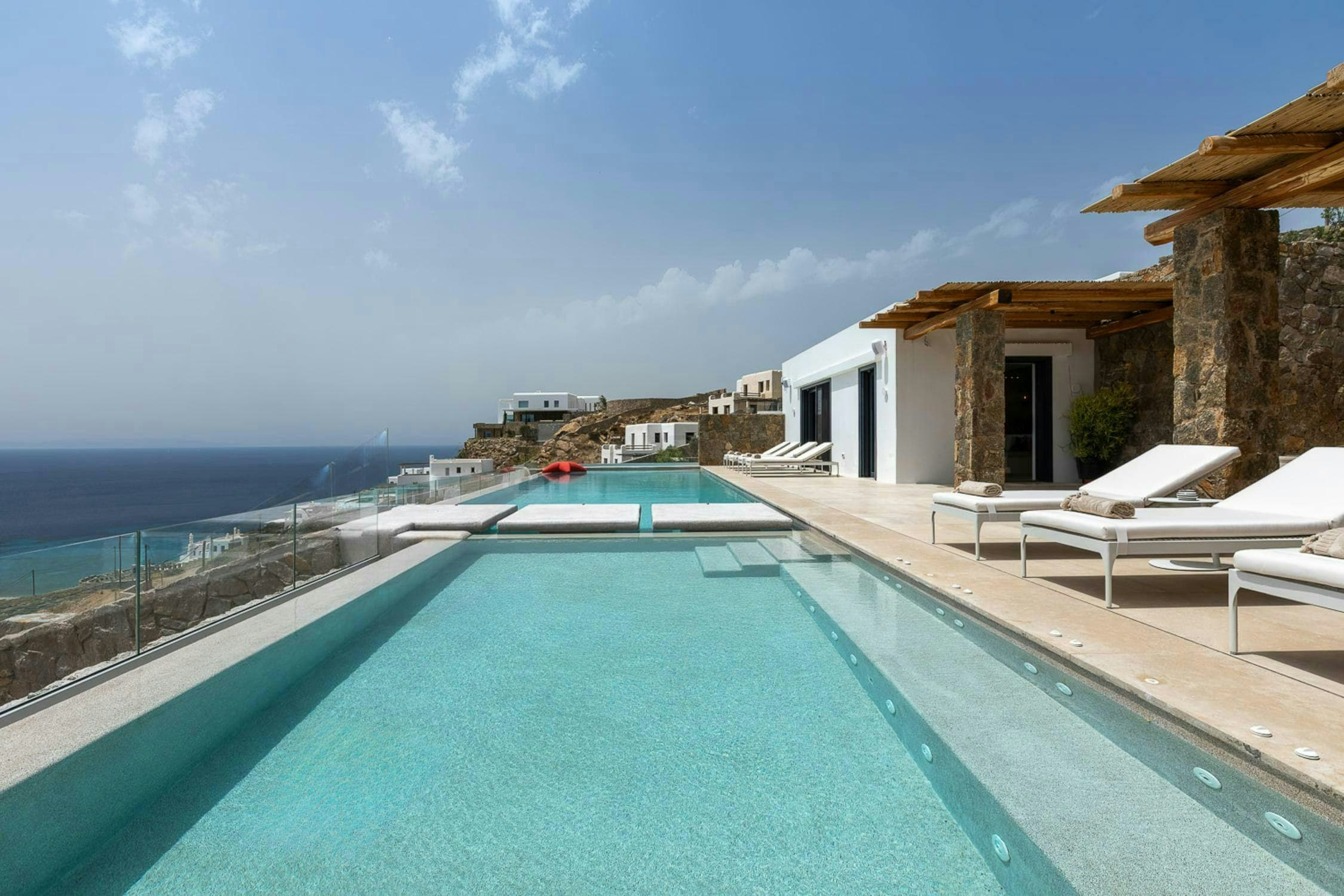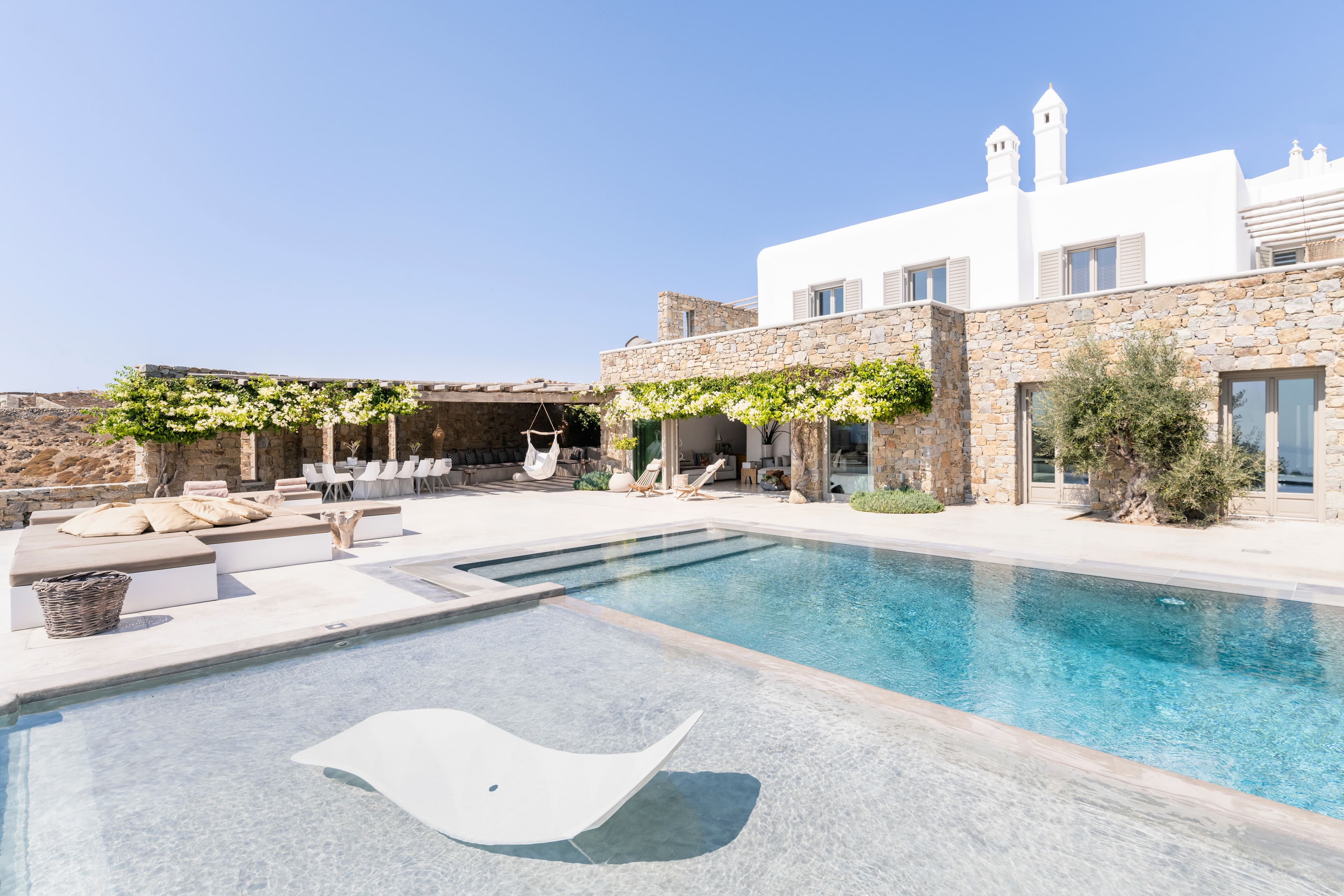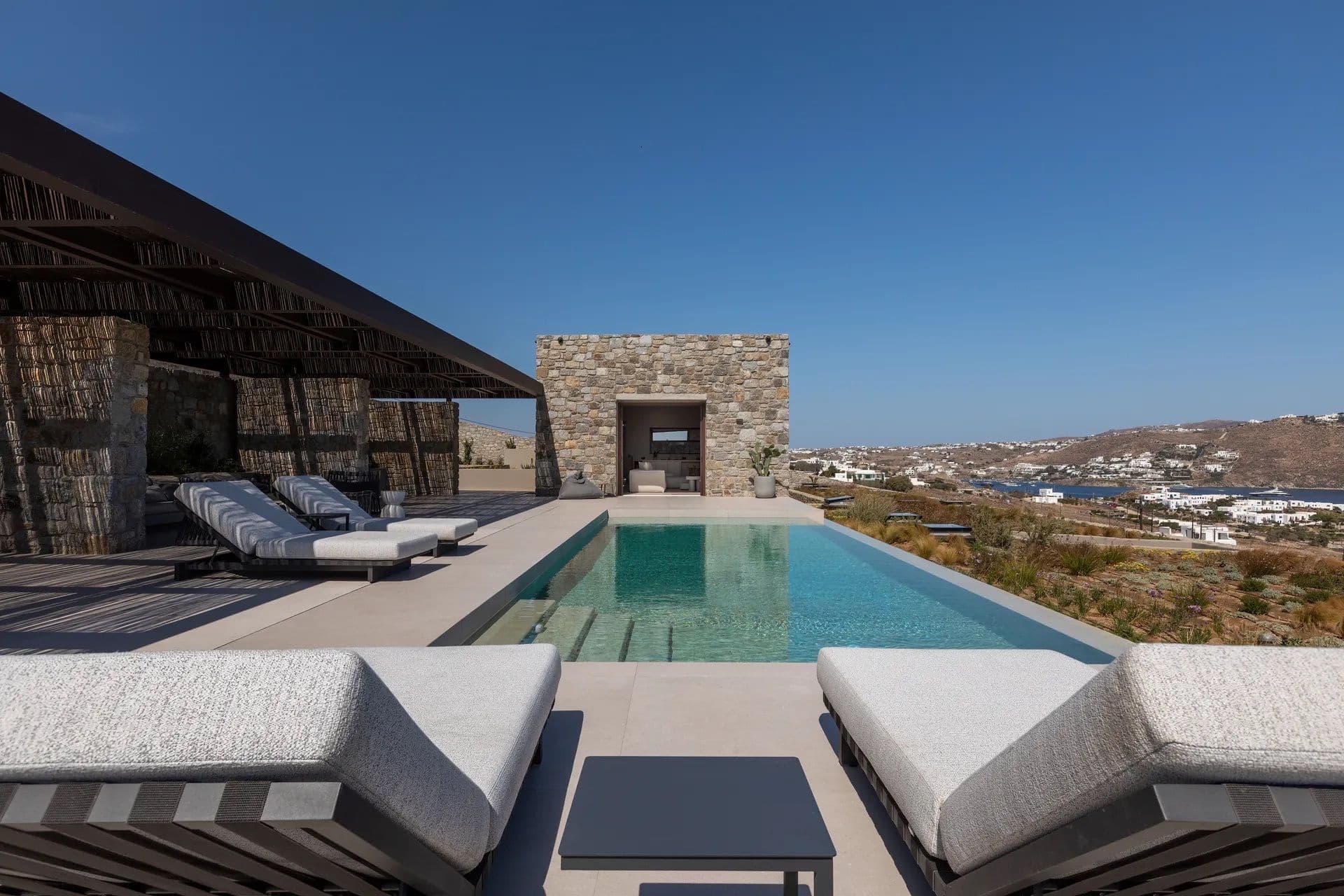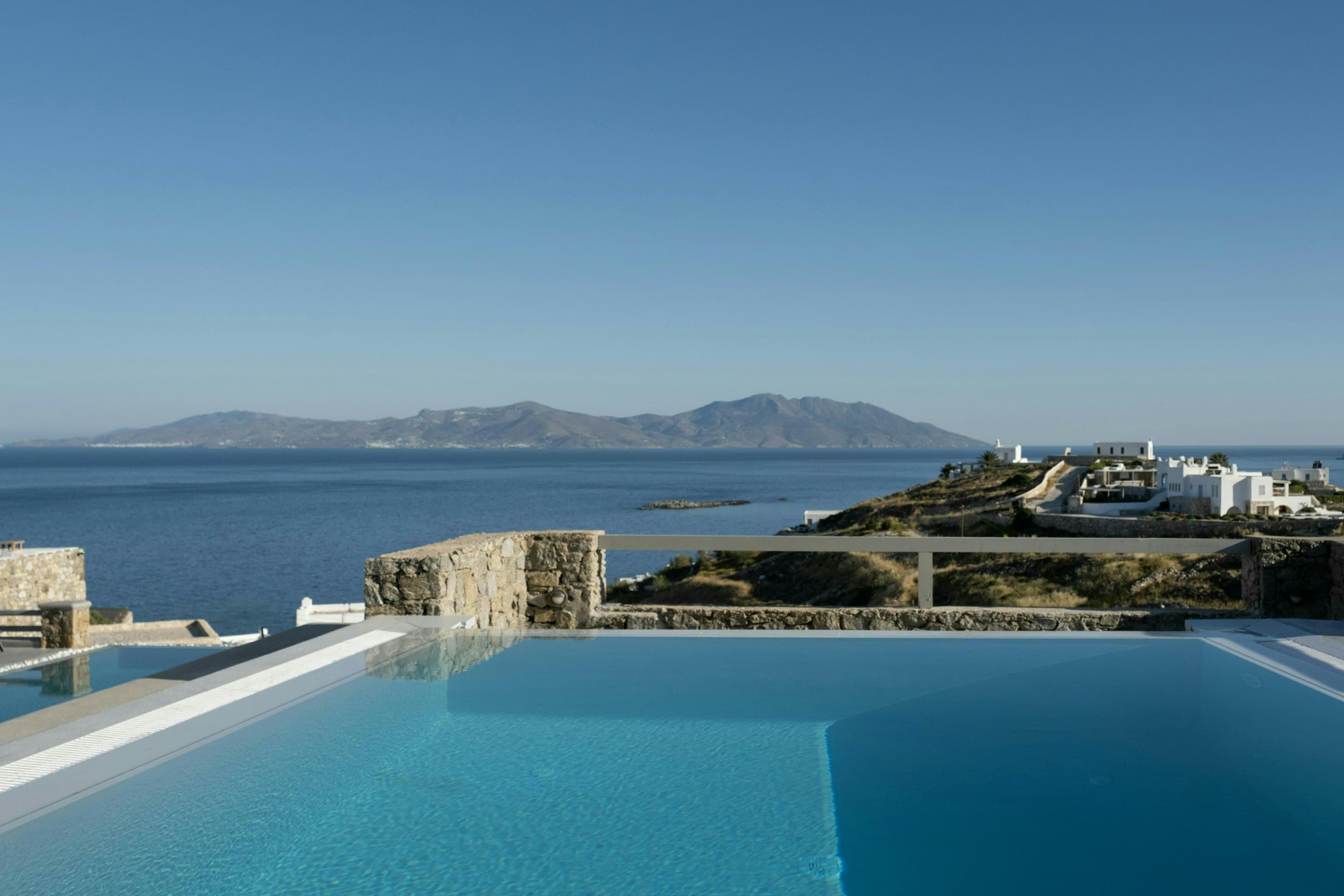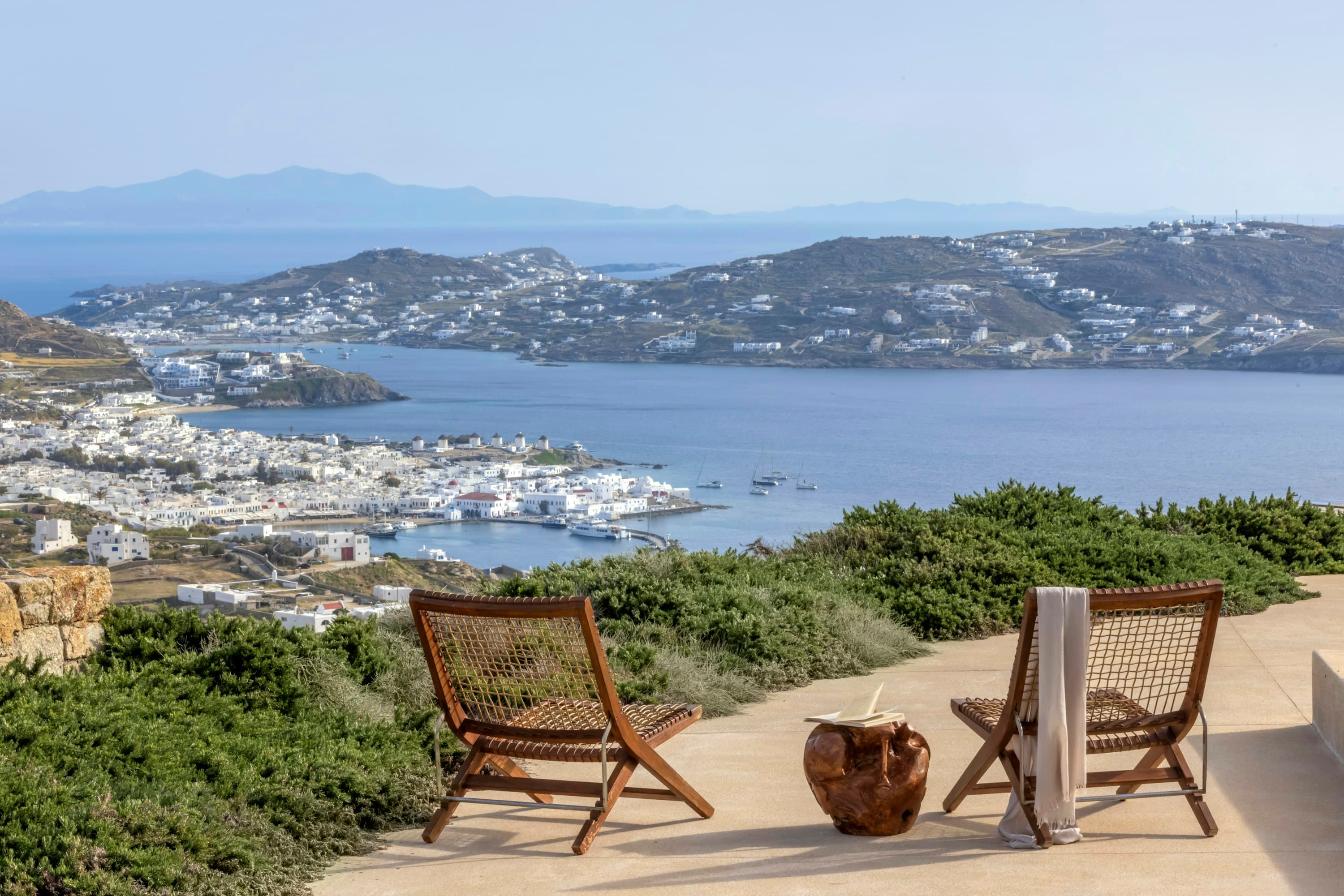
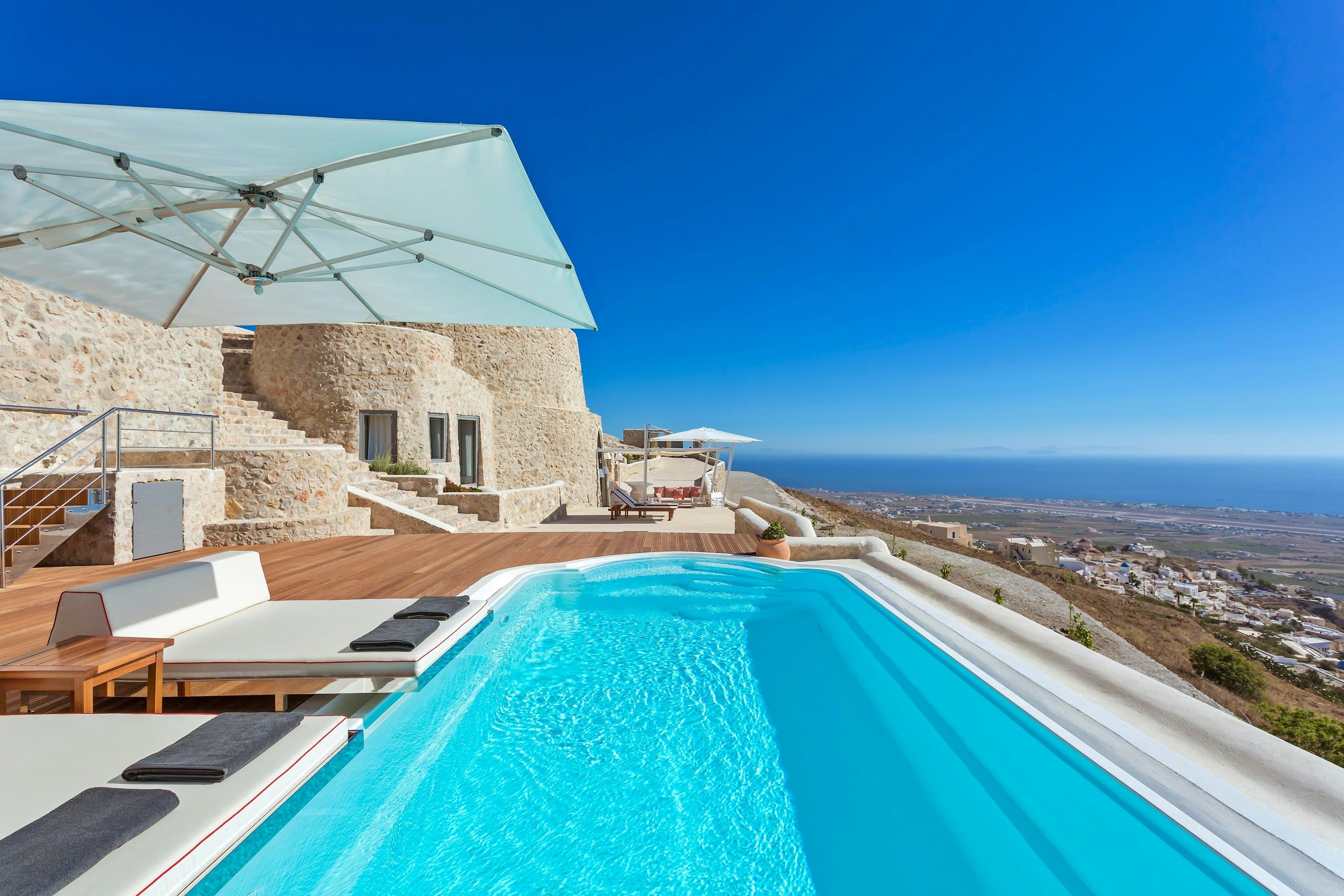
The Cyclades archipelago spans roughly 2,500 square kilometres of the central Aegean Sea, with Mykonos and Santorini sitting approximately 115 kilometres apart and connected by high-speed ferry in under two hours. Together, these two islands account for more than half of all international arrivals to the Greek islands each year, yet the most rewarding things to do here rarely appear on the well-trodden tourist trail. We have spent weeks across multiple trips walking, eating, sailing and swimming our way through both islands, and our curated collection of Cyclades Islands villas reflects the kind of experience we believe these destinations deserve: unhurried, specific and deeply personal. What follows is the guide we wish someone had handed us on our first visit.
What are the best cultural experiences in Mykonos?
Mykonos Town's archaeological museum, housed in a neoclassical building near the harbour, holds one of the finest collections of Archaic and Classical pottery in the Cyclades, including the famous 7th-century BC pithos depicting the fall of Troy. The museum opens Tuesday to Sunday, typically 8:30 to 15:30, and entry costs around €4. We recommend arriving early, before the cruise-ship crowds reach the old port.
The island of Delos, birthplace of Apollo in Greek mythology, sits just 35 minutes by boat from Mykonos's old port. Boats depart from roughly 09:00, with the last return around 15:00, and tickets run to approximately €22 return plus a €12 site entry fee. Allow three hours minimum to walk the Sacred Way, the Terrace of the Lions and the remarkably intact mosaics of the House of Dionysus. No overnight stays are permitted on Delos, so this remains a morning excursion.
For something more contemporary, the Rarity Gallery on Odos Kalogera in Mykonos Town represents established and emerging Greek artists across painting, sculpture and photography. The gallery stays open late into the evening during high season, June to September, and admission is free. Pairing a gallery visit with a slow walk through the Matoyianni quarter, where bougainvillea spills over whitewashed walls, gives an evening in town real texture.
Where should we eat and drink in Mykonos?
Joanna's Nikos Place, in the narrow lanes behind the waterfront in Mykonos Town, has served traditional Mykonian cooking since 1976. The menu rarely changes, and that is the point: kopanisti cheese with tomato, slow-cooked lamb and hand-rolled pasta called makarounes. Expect to pay around €25 to €40 per person without wine. No reservations accepted, and the queue from 19:30 onwards is part of the ritual.
Kikí's Taverna at Agios Sostis beach, on the northern coast about 8 kilometres from town, operates without electricity and closes when the food runs out. Grilled meats and simple salads arrive at communal wooden tables overlooking one of the island's quietest stretches of sand. Kikí's opens for lunch only, roughly from noon, and does not take bookings. A hire car or scooter is essential here.
At Scorpios, set on Paraga beach on the southern coast, the atmosphere shifts towards the ritualistic. A late-afternoon session here revolves around communal seating, live acoustic music starting around sunset and a menu of shared Mediterranean plates. Reserve a table for dinner, or arrive mid-afternoon for a sunbed and transition into the evening. Budget roughly €60 to €100 per person for dinner with drinks. Guests staying at our recommended Island Azure Haven will find Paraga beach a short drive south.
Which beaches in Mykonos are worth our time?
The southern coastline between Ornos and Elia holds the island's most popular beaches, but selectivity matters. Agios Sostis, on the northern shore, remains undeveloped: no sunbeds, no music, no vendors. The water is crystalline, the sand coarse and golden, and the wind can be strong on days when the meltemi blows from the north, typically July and August. Bring your own shade and provisions.
Fokos beach, reachable by a rough dirt road from Ano Mera village, sits in a similar category: wild, quiet and entirely free of commercial infrastructure. The small taverna behind the beach opens seasonally and serves grilled fish by the kilogramme. We think of Fokos as Mykonos before the nightclubs arrived, and it rewards those willing to navigate the unpaved track.
For those who prefer a serviced beach, Elia is the longest on the island, stretching nearly 900 metres along the southeast coast. Sunbed hire runs to about €20 to €30 per pair, and the beach bar serves food and cocktails throughout the day. The far eastern end is notably quieter. From Heavenly Joy, several of these southern beaches sit within a 10 to 15-minute drive.
What are the essential things to do in Santorini?
Santorini's caldera, formed by a massive volcanic eruption around 1600 BC that may have contributed to the decline of Minoan civilisation, remains the island's defining geological feature. Walking the caldera path from Fira to Oia covers roughly 10 kilometres and takes about three hours at a comfortable pace. Start early, ideally by 08:00, to avoid the midday heat and the congestion that builds from late morning. The trail is uneven in places, so sturdy footwear matters more than fashion here.
The archaeological site of Akrotiri, on the island's southwestern tip, preserves a Bronze Age settlement buried by volcanic ash. Often called the "Pompeii of the Aegean," the site reveals multi-storey buildings, drainage systems and vivid frescoes (the originals now reside in the Museum of Prehistoric Thera in Fira). Akrotiri opens from 08:00 to 20:00 in summer, with reduced hours off season, and entry costs approximately €12. We consider this the single most important cultural visit on the island.
The Museum of Prehistoric Thera in Fira, a compact but superbly curated space, displays finds from Akrotiri alongside fossils from the pre-volcanic landscape. It opens the same hours as most state museums, Tuesday to Sunday, and charges around €6. The Spring Fresco and the Golden Ibex are worth the visit alone.
Where do we find the best food in Santorini?
Metaxi Mas, in the hillside village of Exo Gonia about 6 kilometres southeast of Fira, consistently ranks among the finest tavernas in the Cyclades. The menu draws on Cretan and Cycladic traditions: lamb kleftiko, sun-dried tomato croquettes, fava with capers from the island's own crop. Book ahead in summer, expect to spend around €30 to €50 per person and do not skip the local Assyrtiko wine. The terrace provides views south towards the sea.
To Psaraki, down by Vlychada harbour on the southern coast, specialises in fish pulled from the Aegean that morning. The setting, against dramatic sculpted pumice cliffs, feels almost lunar. Grilled octopus and sea bream are staples, with mains running from €14 to €25. The harbour location makes this an ideal pairing with a visit to the nearby Vlychada beach and its extraordinary eroded rock formations.
In Oia, Roka channels a more refined approach: small plates, carefully sourced ingredients and a wine list heavy on volcanic Santorinian varietals. A meal here typically costs €40 to €60 per person, and the courtyard seating on a quiet lane away from the main pedestrian path provides respite from the sunset crowds. Reserve for 20:00 and walk to the castle ruins afterwards for the evening light without the earlier crush. Cave Chic places guests within walking distance of Oia's best dining.
What outdoor and water activities should we prioritise?
A sailing trip around Santorini's caldera, with stops at the volcanic hot springs near Nea Kameni and the Red Beach viewed from the water, ranks among the best Cyclades activities for good reason. Several operators depart from Vlychada and Ammoudi Bay; we recommend a semi-private catamaran for groups of ten or fewer. Half-day excursions generally cost €120 to €180 per person including a meal on board. Book through your accommodation or directly with operators such as Santorini Sailing for better rates.
On Mykonos, the dive centre at Paradise Reef near Paradise beach runs PADI courses and guided dives at sites including a small cave system and underwater rock formations. A single guided dive for certified divers costs roughly €60 to €80, with visibility often reaching 30 metres from May to October.
For something gentler, wine tasting on Santorini centres on the Assyrtiko grape, trained in distinctive basket-shaped "kouloura" vines that hug the ground against the wind. Venetsanos Winery, dramatically positioned on the caldera rim near Megalochori, opens daily for tastings from approximately €15 for a flight of four wines. Santo Wines cooperative, closer to Fira, provides a larger-scale experience with panoramic views. Guests at Earth Haven will find several of the island's best wineries within easy reach.
How do we get between Mykonos and Santorini?
High-speed ferries operated by SeaJets and Minoan Lines connect the two islands in roughly 1 hour 45 minutes to 2 hours 30 minutes, depending on the service and stops. Tickets range from €45 to €75 for economy seating, and we recommend booking through the operators' websites at least a week ahead in July and August. Morning departures leave the rest of the day free for settling into your accommodation. Flights between the islands, operated seasonally by Olympic Air, take about 30 minutes but add airport transfer time at both ends.
Splitting a Cyclades trip between both islands, say four nights on Mykonos and three on Santorini, gives a satisfying balance of energy and calm. A retreat like Indigo Light provides exactly the kind of thoughtful base that makes a multi-island itinerary feel effortless rather than exhausting.
Frequently asked questions
How many days do we need in Mykonos and Santorini?
We recommend a minimum of three full days on each island. Mykonos rewards those who venture beyond the town's lanes, and Santorini's archaeological sites, wine country and caldera walks each deserve their own day. A combined trip of seven to ten days allows time for both islands plus a rest day or two.
What is the best time of year to visit the Cyclades?
Late May to late June and September to mid-October bring warm swimming temperatures, fewer crowds and lower accommodation rates. July and August deliver peak heat, peak prices and the meltemi wind, which can ground ferries and make northern beaches on Mykonos uncomfortable. We find early June particularly rewarding: long days, warm evenings and wildflowers still colouring the hillsides.
Do we need a hire car on Mykonos and Santorini?
On Mykonos, a hire car or ATV opens up the northern beaches and inland villages that public buses do not serve well. On Santorini, a car simplifies visits to Akrotiri, Vlychada and the wineries around Megalochori and Pyrgos. Local bus networks on both islands connect major towns and popular beaches, but schedules thin out after 22:00. Book vehicles in advance during July and August, when availability tightens considerably.
Are things to do in Mykonos mainly about nightlife?
Mykonos built its reputation on nightlife in the 1960s and 1970s, but the island today supports a far broader range of experiences. The Delos day trip, the northern beaches, traditional tavernas in Ano Mera and the agricultural interior all reward visitors who look beyond the club scene. Evening energy still centres on Mykonos Town, particularly along Little Venice and the Paradise Beach area, but daytime activities carry equal weight in any well-planned itinerary.
Can we visit other islands from Mykonos or Santorini?
Absolutely. From Mykonos, ferries reach Tinos in roughly 30 minutes and Naxos in about 45 minutes, both excellent day trips. From Santorini, the small islands of Thirassia and Anafi are accessible by local boat, and Ios lies under an hour away by fast ferry. These day trips add variety and often reveal a quieter, more traditional side of Cycladic life.
What should we budget for a week in the Cyclades?
A week combining Mykonos and Santorini, staying in quality accommodation and eating well, typically costs €150 to €300 per person per day excluding flights and high-end accommodation. Ferry transfers, entrance fees, a sailing trip and daily meals at recommended tavernas fall comfortably within that range. Fine dining, private boat charters and peak-season luxury properties push the budget higher, but excellent experiences exist at every price point across these islands.