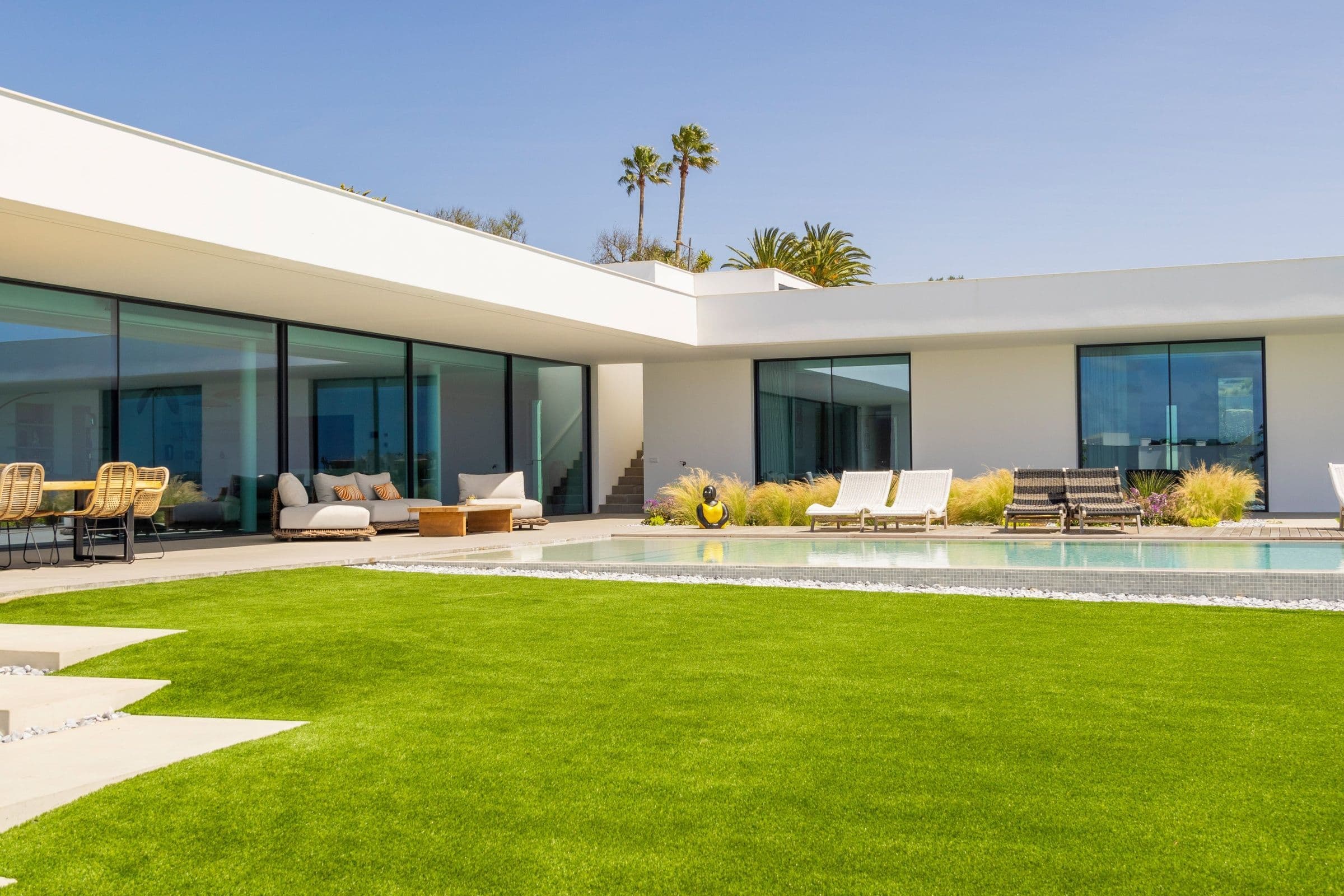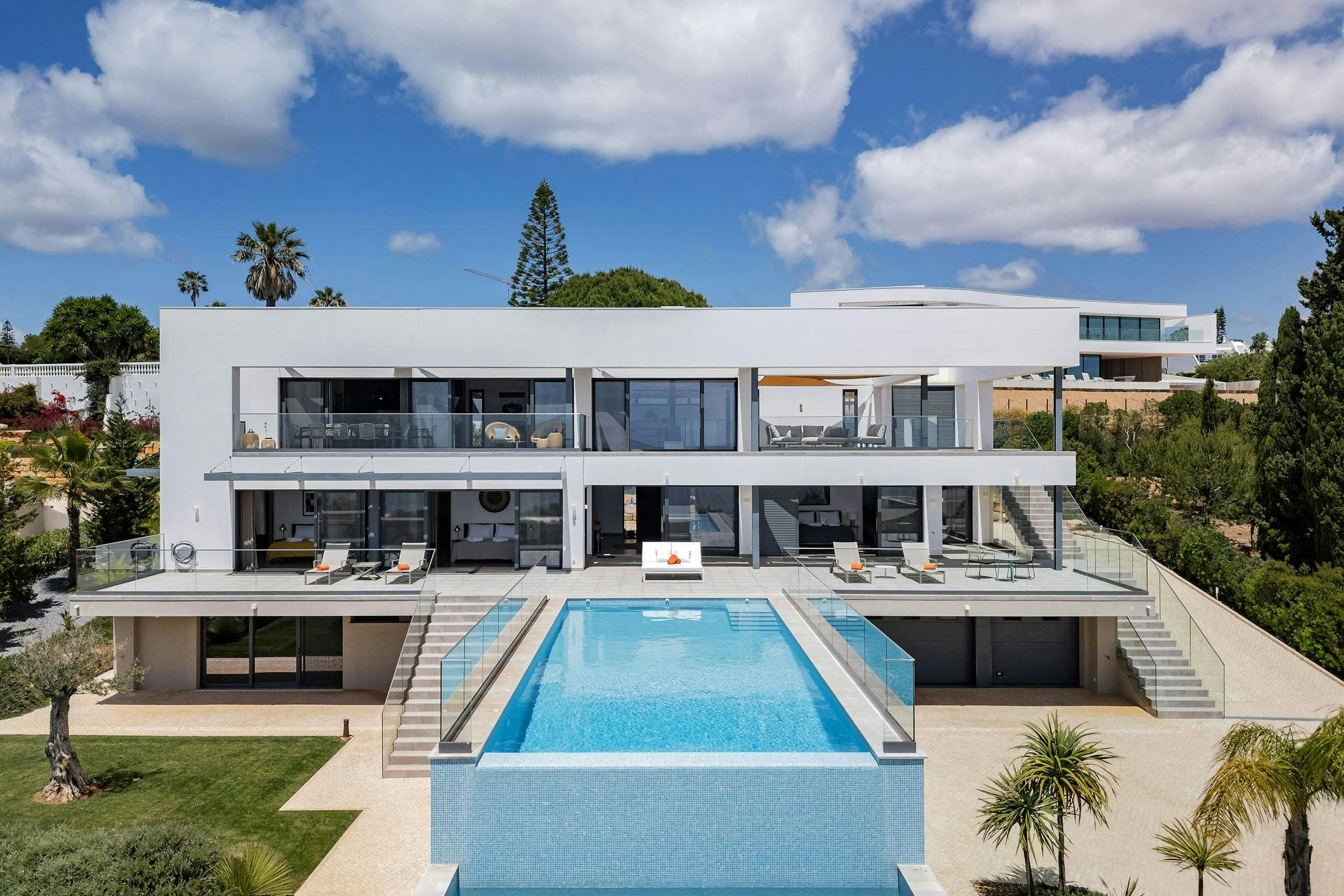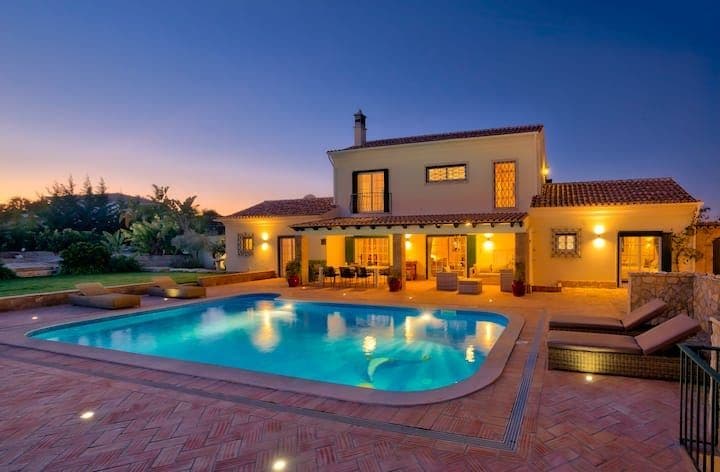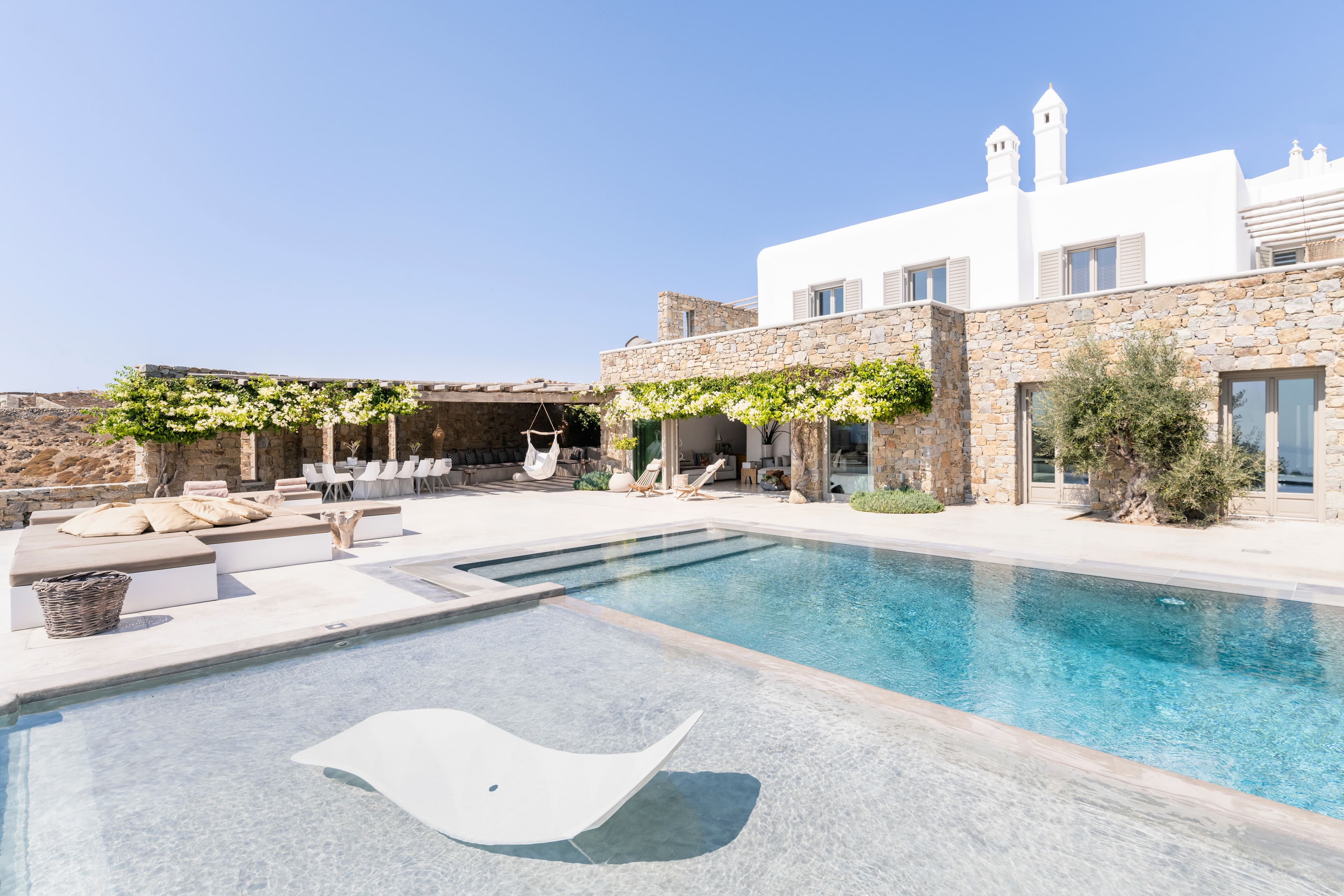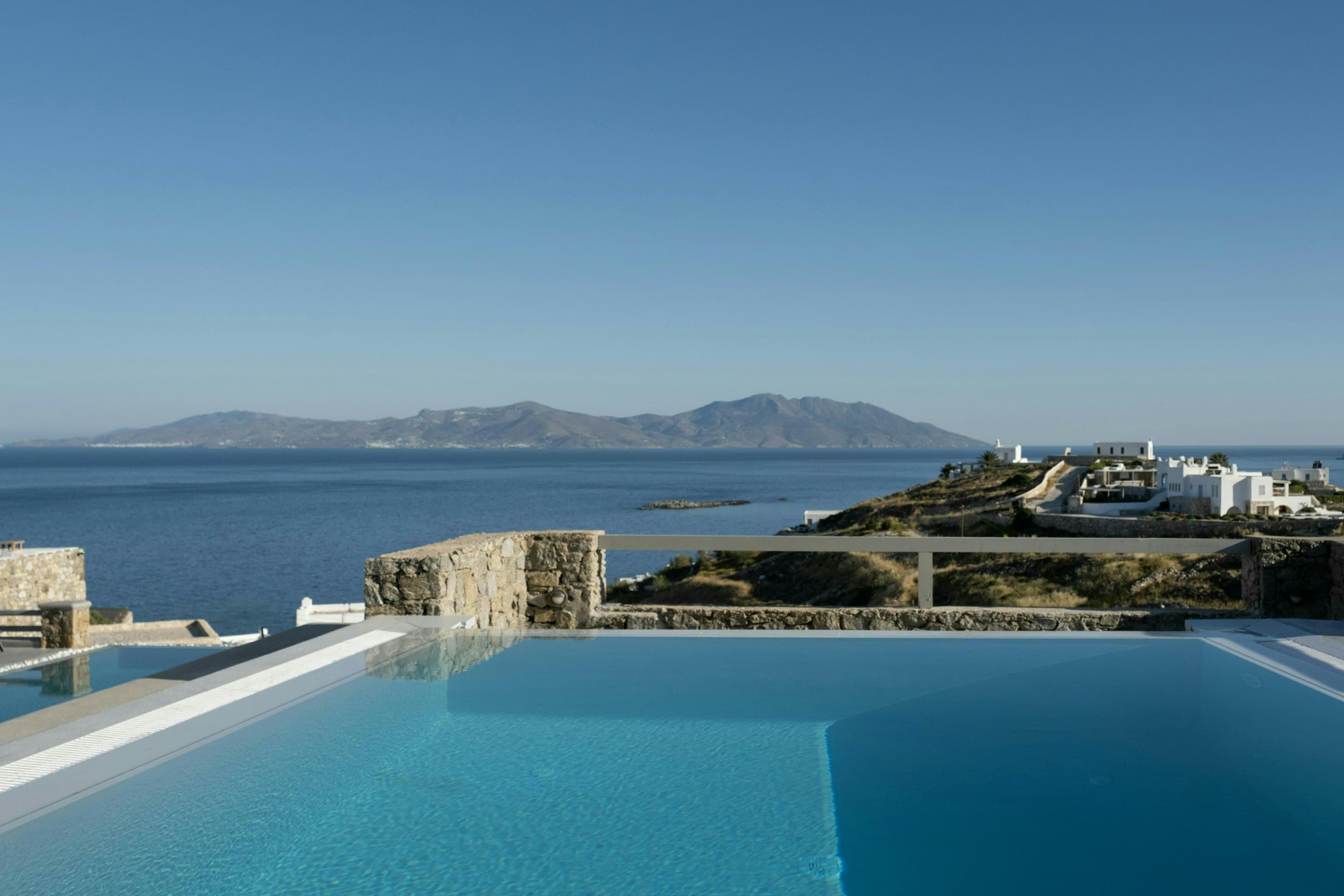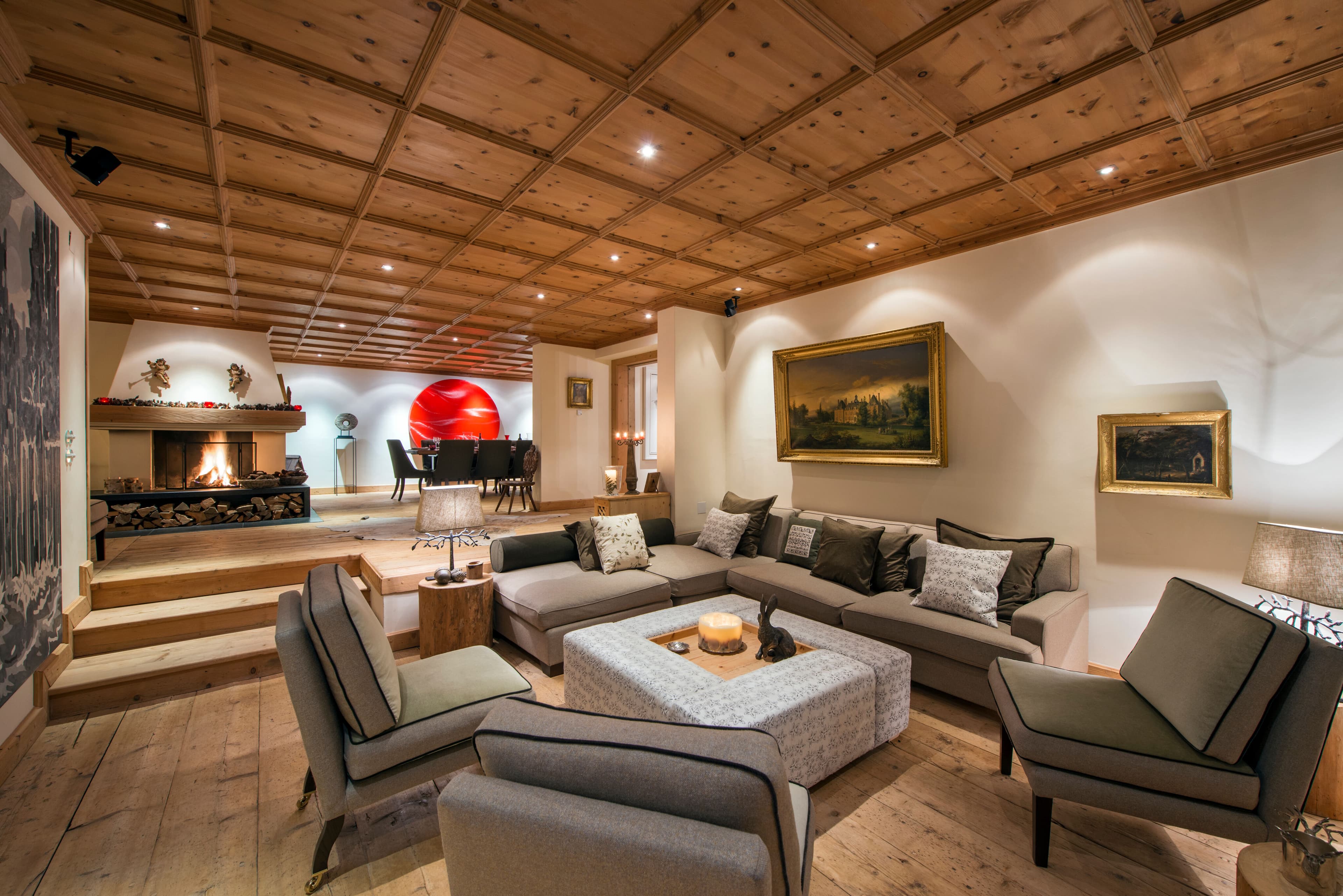
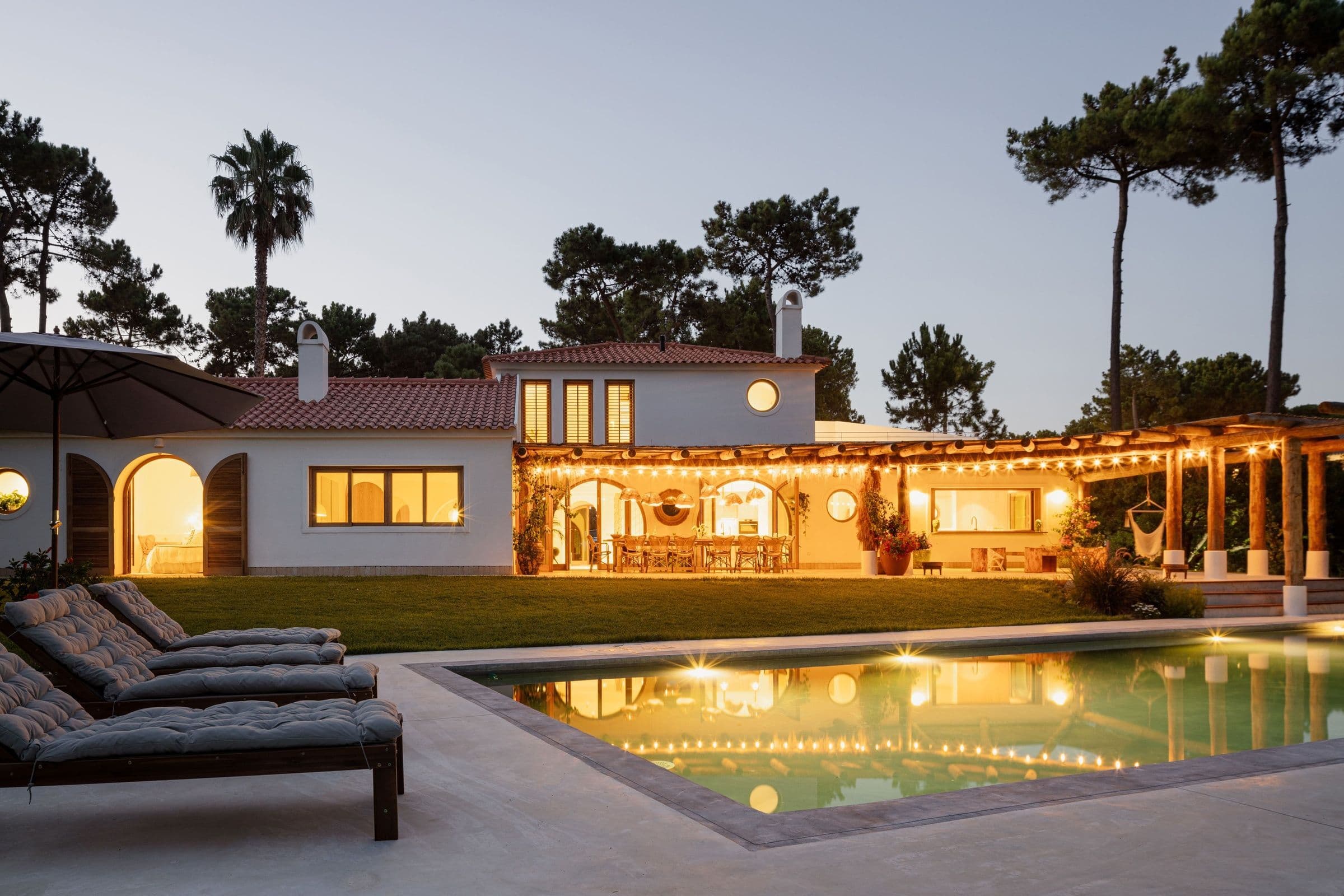
The Algarve stretches across 150 kilometres of Portugal's southern coastline, from the Spanish border at Vila Real de Santo António in the east to the windswept cliffs of Cape St Vincent in the west. This is a region that has drawn travellers for decades, yet it still rewards those who look beyond the obvious. We have spent weeks exploring its quieter coves, its hilltop villages and its evolving food scene, and we return each time finding something new to love. Our curated collection of Algarve, Portugal villas reflects the region's range: from contemporary coastal homes to traditional estates wrapped in bougainvillea and old stone.
What follows is our honest Algarve travel guide, built from direct experience and updated for 2024.
Where should you stay in the Algarve?
The answer depends entirely on what kind of holiday you want, because the Algarve is not one place but several distinct corridors, each with its own character.
The Golden Triangle: Quinta do Lago, Vale do Lobo and Vilamoura
This is the Algarve's most polished corner. Quinta do Lago and Vale do Lobo sit roughly 20 minutes west of Faro Airport and attract golfers, families and those who prefer manicured landscapes, high-end dining and reliable infrastructure. Vilamoura adds a marina village with waterfront restaurants and a casino. If you want ease and luxury without venturing far, this area delivers.
The beaches here, particularly Praia de Faro and Praia de Garrão, are broad and backed by dunes rather than cliffs. The water is calm and warm from June through September. We find this stretch ideal for families with younger children who want soft sand and shallow entry points.
The Western Algarve: Lagos, Sagres and the Vicentine Coast
Lagos is our favourite base for those who want culture, coastline and a bit of energy in the evenings. The old town is compact and walkable, full of independent shops and restaurants that have resisted the pull of tourist mediocrity. From here, you can drive to Sagres in 35 minutes, reaching the rugged southwestern tip of Europe.
Sagres and the Vicentine Coast feel like a different country. The landscape is windswept and wild, the surfing is excellent (Praia do Amado and Praia da Arrifana are the main spots) and the crowds thin dramatically. This area suits couples and experienced travellers who prioritise landscape over convenience.
The Central Coast: Carvoeiro, Ferragudo and Silves
Between the polish of the Golden Triangle and the wildness of the west lies a middle ground. Carvoeiro is a former fishing village built around a small sandy cove, and while it has grown considerably, it retains a charm that larger resorts have lost. Ferragudo, across the river from Portimão, remains genuinely quiet and local. Silves, 20 minutes inland, has a remarkable Moorish castle and an unhurried pace that rewards a day trip or a longer stay.
Casa Monroe sits within this central stretch of the Algarve, giving guests proximity to some of the coastline's most photogenic coves while keeping a sense of privacy. We think of it as the kind of base that makes an Algarve villa holiday feel properly unhurried: close to everything, yet removed from the noise.
The Eastern Algarve: Tavira, Olhão and the Ria Formosa
Tavira is the Algarve's most beautiful town. That is not an overstatement. Roman bridges, whitewashed churches, rooftop terraces and a riverside setting give it an elegance that nowhere else in the region quite matches. Olhão, 20 minutes to the west, is grittier and more workaday, but its waterfront fish market is among the best in Portugal.
The Ria Formosa Natural Park dominates this eastern section: a vast system of lagoons, salt marshes and barrier islands. Ferries run from Olhão and Faro to Ilha da Culatra and Ilha Deserta, where the beaches feel almost Caribbean in their clarity.
When is the best time to visit the Algarve?
Late May to mid-June and September to mid-October are the months we recommend most. Temperatures sit between 24 and 29 degrees Celsius, the sea is swimmable (particularly from late June onwards) and you avoid the intense heat and congestion of July and August.
What about peak summer?
July and August bring temperatures regularly above 35 degrees, crowded beaches and higher prices across the board. If you travel with school-age children and have no choice, book accommodation and restaurants well in advance. The western Algarve tends to be a few degrees cooler than the central coast, thanks to Atlantic breezes, so that is worth considering.
Is winter worth it?
Absolutely. The Algarve receives around 300 days of sunshine per year, and winter temperatures hover between 12 and 18 degrees, making it one of the warmest places in Europe from November to February. Golf, hiking along the Seven Hanging Valleys trail and long lunches without a queue are all on the table. The sea is too cold for most swimmers, but the light is extraordinary.
How do you get to the Algarve?
Faro Airport (FAO) is the region's sole commercial airport, receiving direct flights from most major UK and European cities year-round, with significantly more routes in summer.
Transfer times from Faro Airport
The Golden Triangle is roughly 20 minutes by car. Lagos takes about 75 minutes. Tavira is 35 minutes east. Sagres, at the far western edge, is around 90 minutes. We always recommend a hire car for the Algarve, as public transport, while functional, limits your ability to reach the region's best beaches and restaurants.
You can arrange airport transfers through your accommodation or book in advance through a service like Yellowfish Transfers, which operates modern vehicles and communicates well. For larger groups or those staying at a private villa, a pre-arranged transfer removes any hassle on arrival.
What should you not miss?
We could list dozens of things, but here are the five experiences we find ourselves recommending most.
Walk the Seven Hanging Valleys trail
This 5.7-kilometre clifftop trail runs from Praia da Marinha to Praia de Vale Centeanes, passing sea arches, sinkholes and the famous Benagil Cave (visible from above). Allow two to three hours and start early in summer. The path is well marked but exposed, so bring water and sun protection.
Take a boat into Benagil Cave
Seeing the cave from the cliff is one thing; entering it by kayak or small boat is another entirely. The dome of light that pours through the collapsed ceiling is one of those natural formations that genuinely stops you mid-sentence. Several operators run trips from Benagil beach, and we recommend going first thing in the morning before the water becomes crowded.
Spend a morning at Olhão fish market
The Mercado Municipal de Olhão opens early, and Saturday mornings are the liveliest. The ground floor is devoted to fish, much of it landed that same morning: octopus, percebes (goose barnacles), clams and sardines. Upstairs, fruit and vegetable vendors sell figs, oranges and almonds from the interior. Buy some provisions and cook at your villa.
Visit Silves during the Medieval Fair
If your trip falls in August, the town of Silves hosts its annual Medieval Fair (Feira Medieval de Silves), typically running for about 10 days in the second half of the month. The streets fill with costumed traders, live music and traditional food stalls. It is touristy, yes, but done with genuine enthusiasm and a sense of local pride.
Drive the Vicentine Coast at sunset
The road from Carrapateira to Sagres, hugging the western coastline, is one of the most dramatic coastal drives in southern Europe. Time it for the last two hours of daylight and stop at Praia da Bordeira, where the beach stretches so wide at low tide that figures on it look miniature against the dunes.
Where should you eat?
The Algarve's dining scene has matured significantly in recent years, moving well beyond grilled fish and tourist menus.
Fine dining
Vista, the two-Michelin-star restaurant at Bela Vista Hotel in Portimão, remains the region's flagship. Chef João Oliveira's tasting menus draw on Atlantic seafood and Algarve produce with real precision. Book at least two to three weeks ahead in high season. Bon Bon in Carvoeiro, also holding two Michelin stars, is a smaller, more intimate space run by Chef Dieter Koschina, with a menu that blends Portuguese and central European influences.
Casual and local
Restaurante O Camilo in Lagos, set right on the cliffs above Praia do Camilo, serves excellent cataplana (the traditional Algarve seafood stew cooked in a copper pot). A Rede in Alvor focuses on seafood grills and rice dishes in a no-fuss setting that draws more locals than visitors. In Tavira, Casa Simão is a small, family-run spot where the fish changes daily and the portions are generous.
For a long lunch
Duas Portas in Loulé, set within the old market town, is a wonderful spot for a drawn-out midday meal. The menu shifts with the season and the wine list leans heavily on Portuguese producers, many of them from the Alentejo and Douro. We always end up staying longer than planned.
How should you get around?
A hire car is, without question, the most practical option. Roads in the Algarve are excellent: the A22 motorway (Via do Infante) runs the length of the coast and is a toll road (electronic tolling applies, so set this up at the airport or through your rental company). The older EN125 runs parallel and is toll-free but slower.
Parking is generally straightforward outside the historic centres of Lagos, Tavira and Faro, where spaces tighten in summer. Most villas provide private parking, which makes the car a natural choice.
Ride-hailing apps, primarily Bolt and Uber, work well in and around Faro, Albufeira and the Golden Triangle but become unreliable further west or in quieter areas. We would not rely on them as a primary transport method.
For mobile data, purchasing a local SIM card from MEO or Vodafone at Faro Airport is inexpensive (around 15 to 20 euros for a month with generous data). Most accommodations provide good Wi-Fi, but a local SIM makes navigation and restaurant booking far easier while you are out.
The currency is the euro. Card payments are widely accepted, though smaller cafes and market stalls sometimes prefer cash.
How do you plan an Algarve villa holiday?
Start by choosing your area (see our breakdown above) and then think about what kind of stay matters most. For families wanting pool time, proximity to calm beaches and easy logistics, the central and Golden Triangle areas are hard to beat. For couples seeking quiet, character and exploration, the west and east reward with fewer crowds and greater authenticity.
Our selection of properties in the Algarve ranges from contemporary villas with infinity pools to traditional farmhouses set among almond and carob trees. We visit every property we list and can guide you towards the right fit based on your dates, group size and priorities.
Frequently asked questions
How many days do you need in the Algarve?
Seven days gives you enough time to settle into a rhythm, explore two or three distinct areas and enjoy unhurried meals without feeling rushed. A long weekend works for the Golden Triangle or Tavira, but the western coast and interior deserve more time. We find that 10 days is the ideal length for a first visit if you want to combine coast, culture and food.
Is the Algarve suitable for families with young children?
Very much so. The central and eastern coastlines have calm, sheltered beaches with gentle entry to the sea. Praia da Luz, Praia de Carvoeiro and the lagoon beaches of the Ria Formosa are particularly good for younger children. Most villas come with private pools, and the general pace of life is relaxed and welcoming. High chairs and children's menus are standard at all but the most formal restaurants.
Can you visit the Algarve without a hire car?
You can, but you will miss a great deal. Public buses (run by Vamus Algarve, formerly Eva) connect the main towns, and trains link Faro, Tavira, Loulé and Lagos along a single line. The reality, though, is that the best beaches, restaurants and villages sit off the main routes. A hire car opens the region up completely and makes a villa stay far more practical.
What is the sea temperature like?
The Atlantic along the Algarve's south coast is warmest from July to September, typically ranging between 21 and 23 degrees Celsius. In June and October, expect 18 to 20 degrees, which is refreshing but perfectly swimmable for most. The west coast, facing the open Atlantic, runs a couple of degrees cooler. Winter sea temperatures drop to around 15 to 16 degrees.
Is Faro worth visiting?
Yes, and we think it is underrated. The Cidade Velha (old town) sits within medieval walls and holds a 13th-century cathedral, a small archaeological museum and a handful of excellent restaurants. Most travellers rush through Faro on their way to the beach, which means you can have the old town largely to yourself, especially in the morning. It merits at least a half-day visit.
When should you book accommodation?
For July and August, book your villa at least three to four months ahead, particularly for larger properties with pools. The shoulder months of May, June, September and October are increasingly popular, so two months' notice is wise for the best addresses. Winter bookings can often be made with shorter lead times, though we still recommend planning ahead to secure your first-choice property.