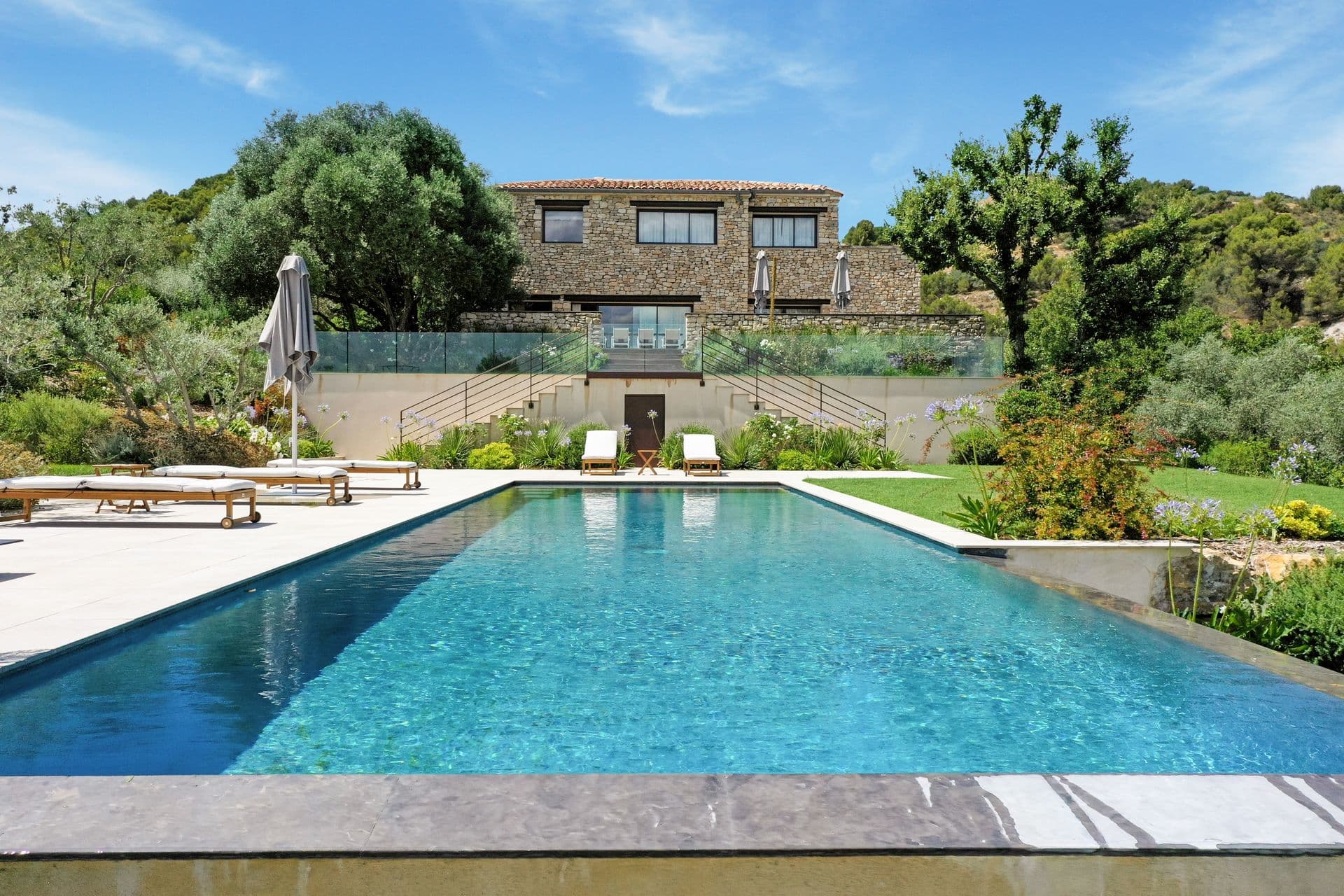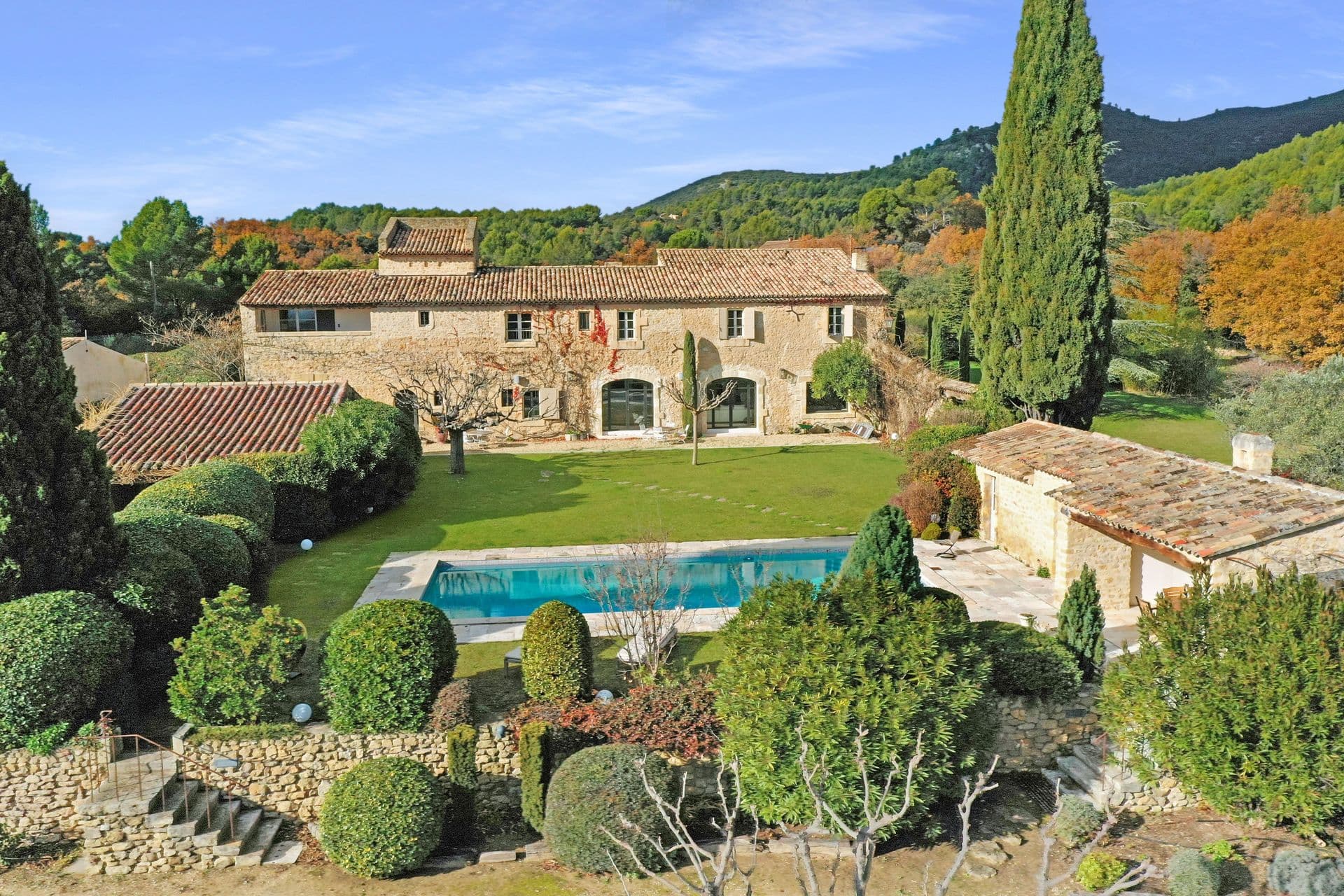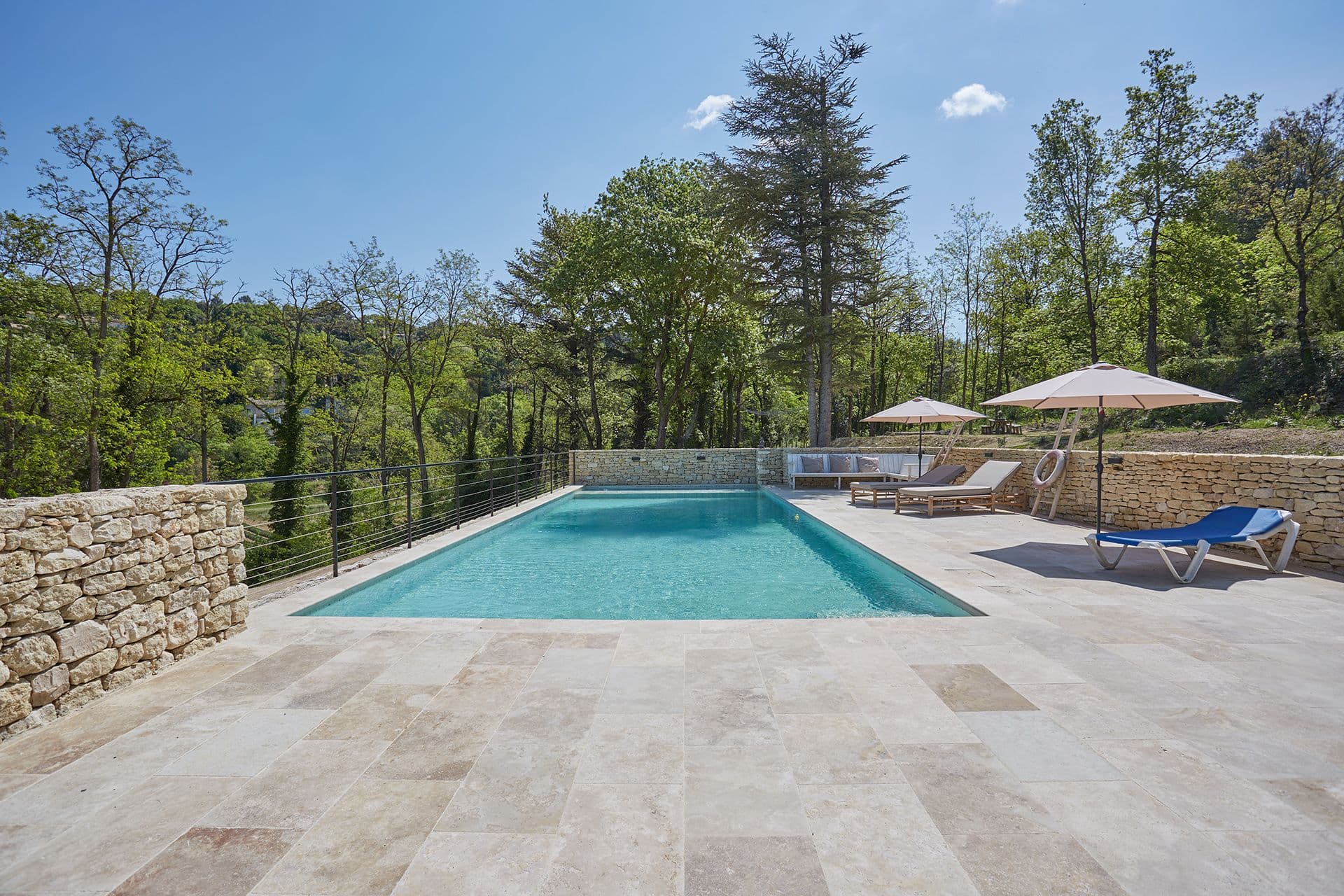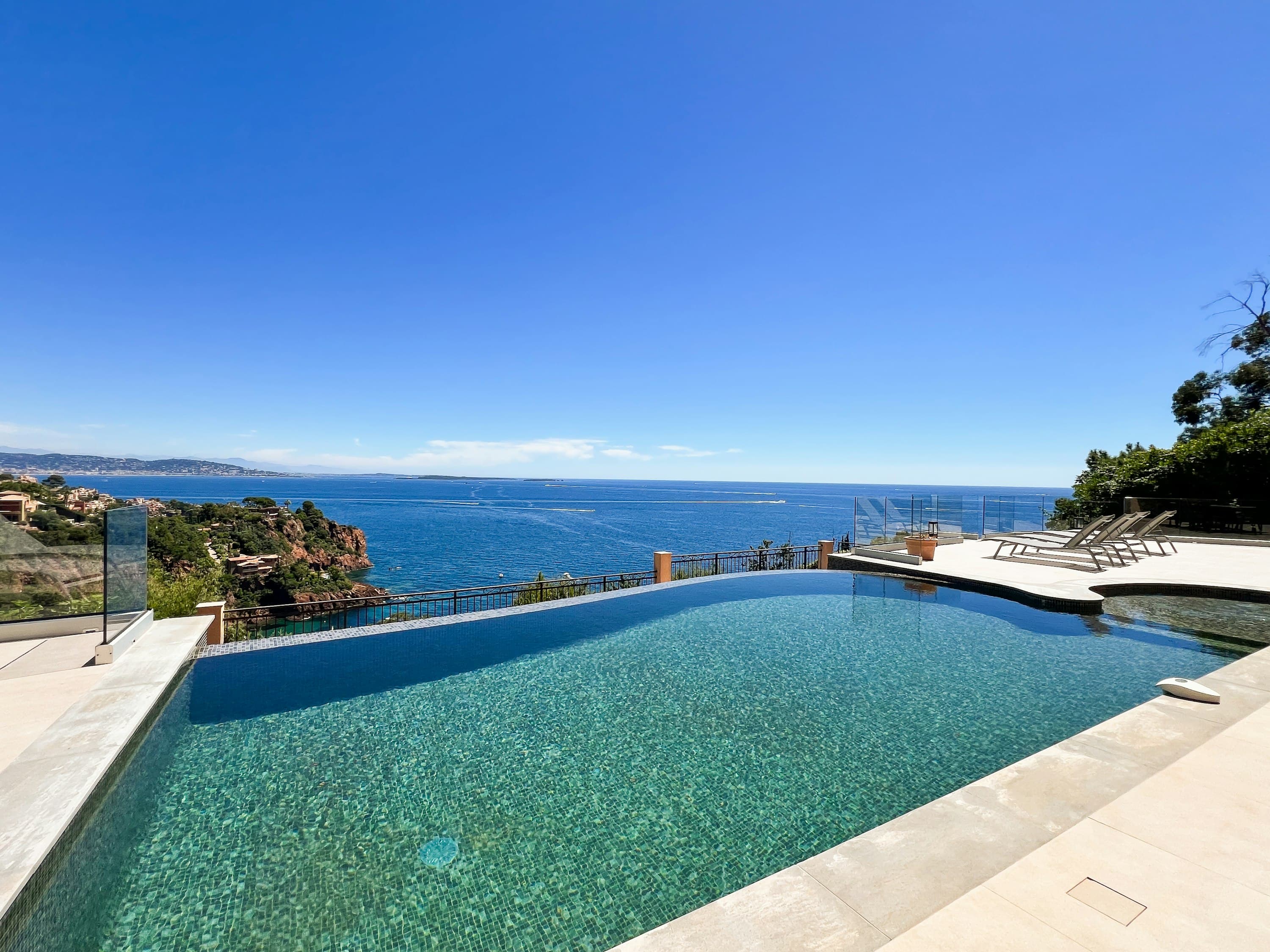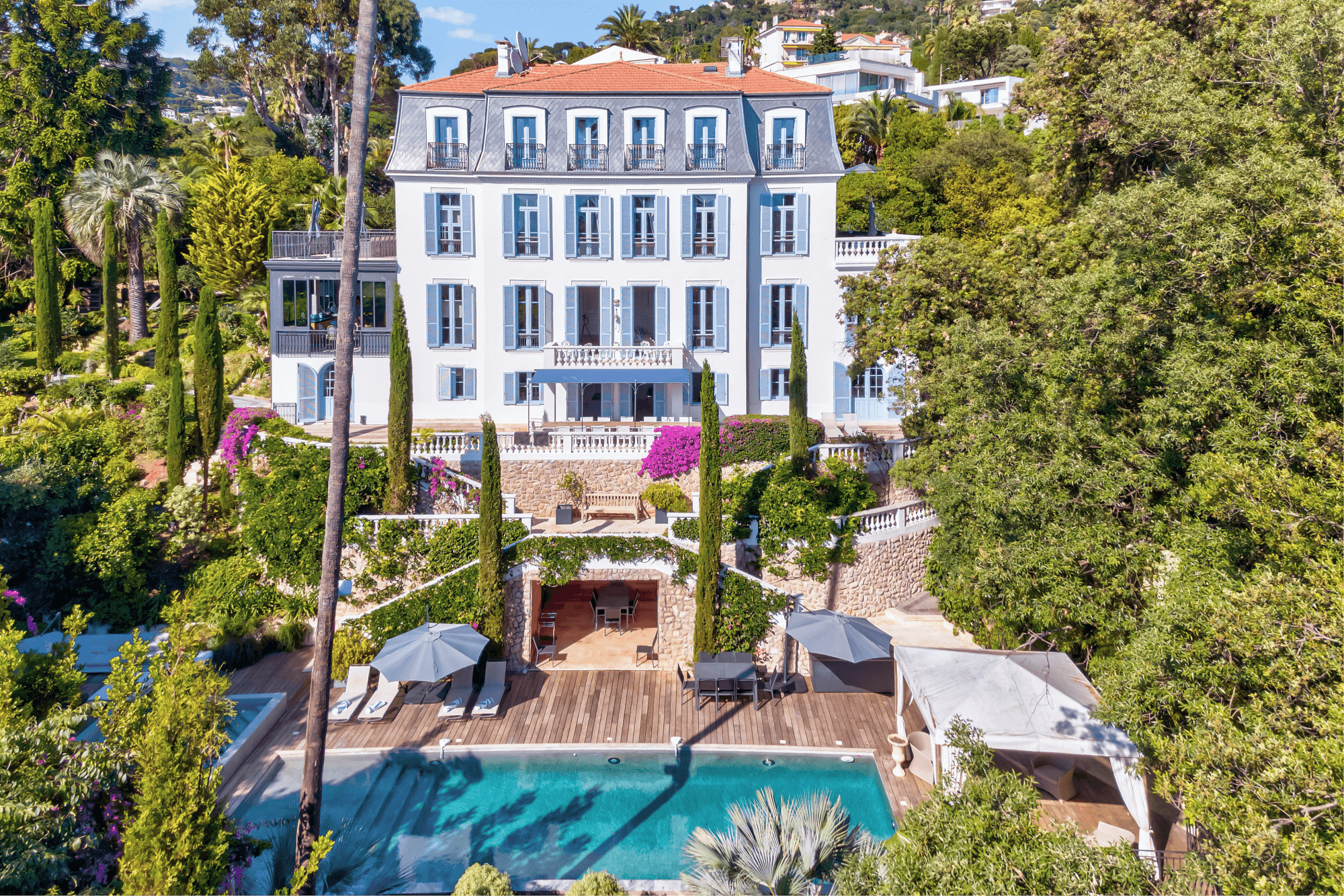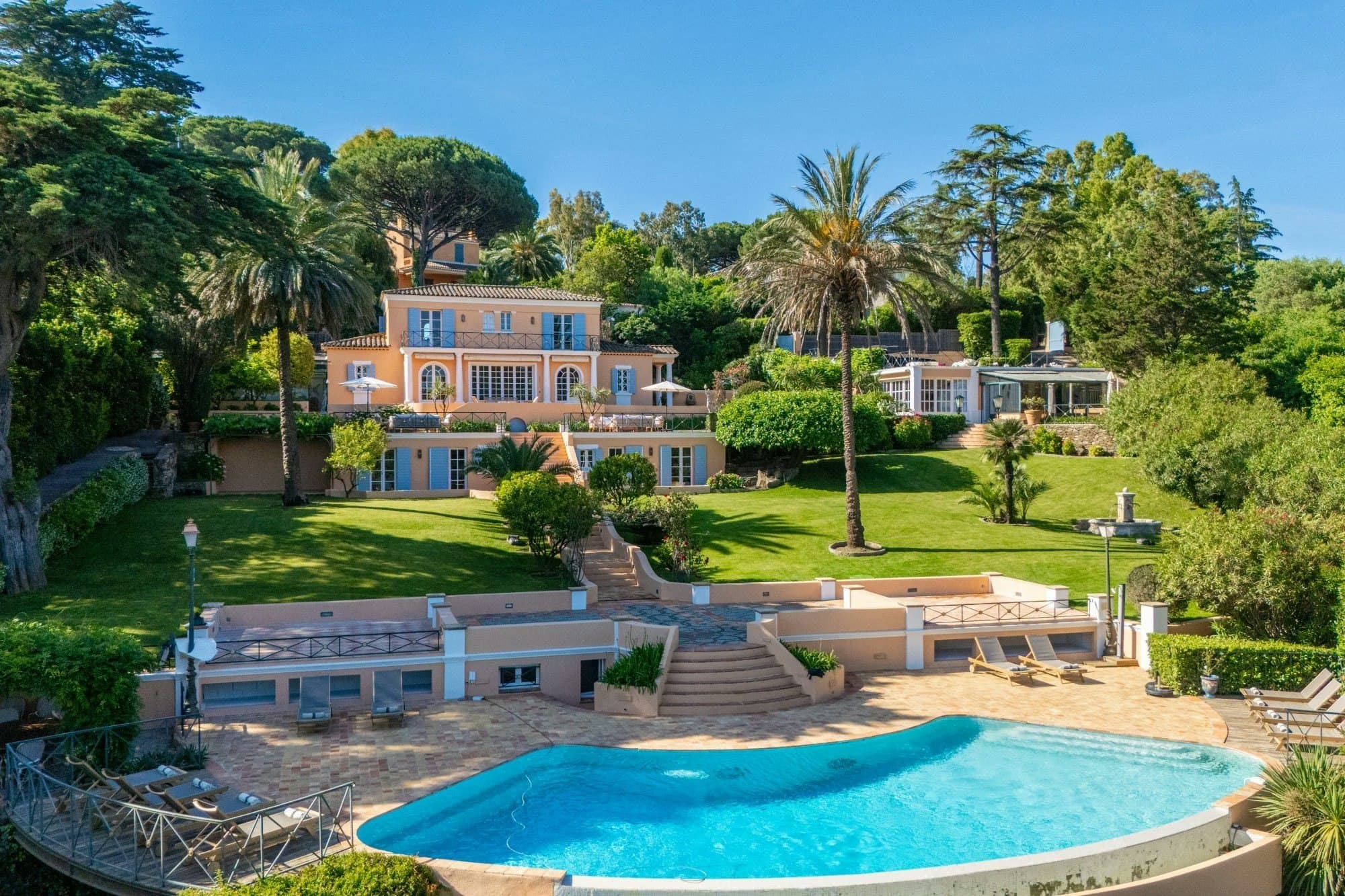

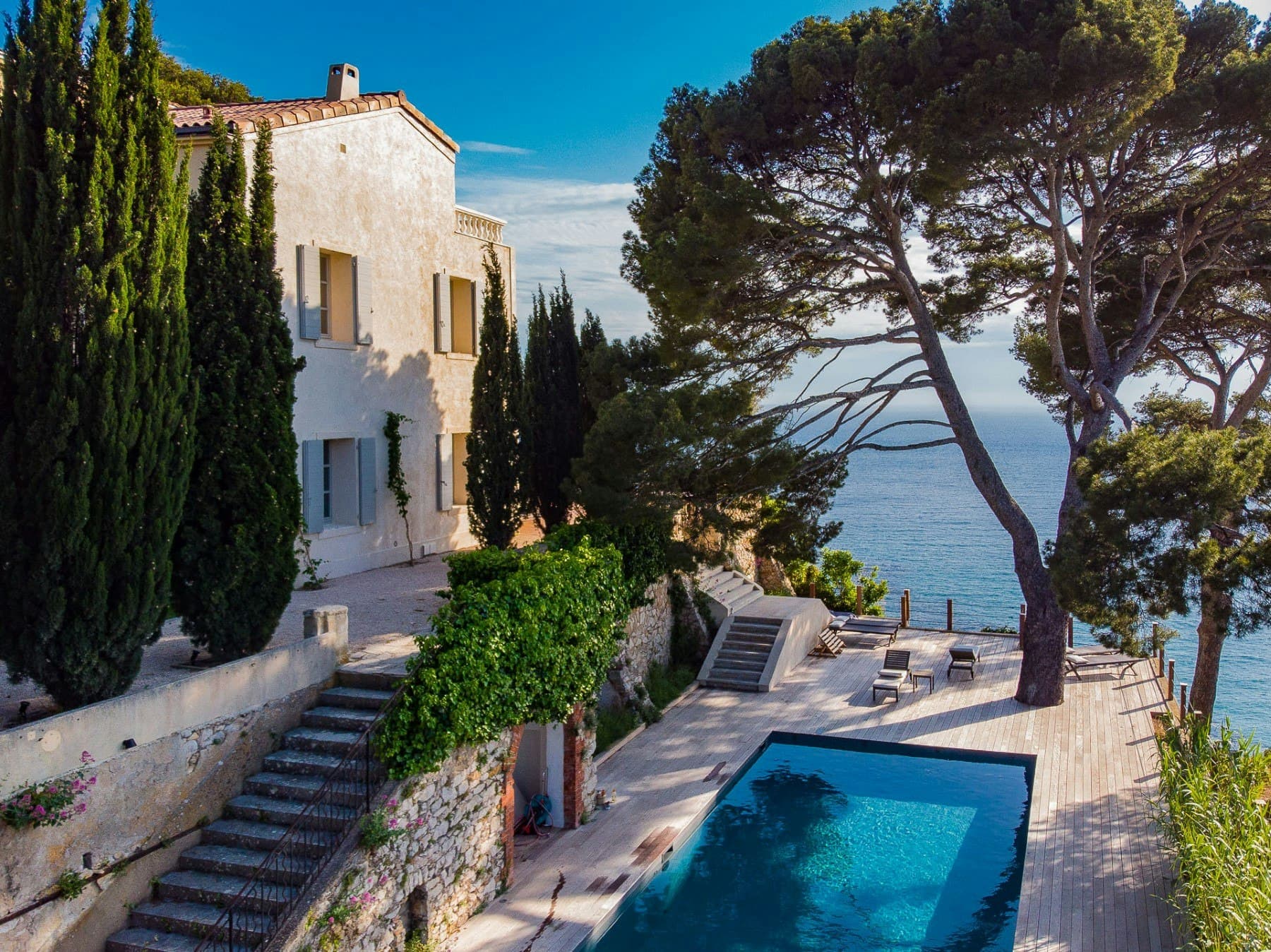
Provence covers roughly 31,000 square kilometres of south-eastern France, stretching from the Rhône Valley to the Italian border and from the Camargue wetlands to the foothills of the Alps. That sheer scale means the question of where to stay in Provence deserves more than a single answer. The region splinters into distinct landscapes, each with its own character, cuisine and rhythm of daily life. A week in the hilltop villages of the Luberon feels nothing like a week along the coast near Cassis, and both differ entirely from the lavender plateaux of the Haute-Provence. In our curated guide to luxury villas in Provence, we group properties by micro-region so you can match your stay to your priorities, but this article goes further: it maps the territory, weighs the trade-offs and suggests where to anchor your trip.
Which are the best towns to stay in Provence for first-time visitors?
Aix-en-Provence and Saint-Rémy-de-Provence are the two strongest all-round bases for travellers who want culture, food and easy day-trip access without committing to a remote farmhouse.
Why does Aix-en-Provence work so well as a base?
Aix-en-Provence combines a walkable historic centre with superb restaurants, daily markets and direct TGV connections to Paris in around three hours. The city sits at the southern gateway to the region, roughly 30 kilometres north of Marseille and its international airport. Villa rentals here tend to cluster in the countryside just outside the ring road, within a 10 to 15-minute drive of the Cours Mirabeau. Expect bastides in honey-coloured stone, heated pools behind mature plane trees and views towards Mont Sainte-Victoire. If you are weighing up Aix-en-Provence where to stay options, prioritising the northern outskirts (towards Le Tholonet or Vauvenargues) puts you closer to Cézanne country and further from the autoroute hum. The Saturday morning market on Place Richelme alone justifies an overnight, but Aix also places you within a 45-minute drive of the Luberon, the Calanques and the vineyards of Palette and Côtes de Provence.
Is Saint-Rémy a good alternative?
Saint-Rémy-de-Provence suits travellers who want the charm of a small Provençal town without the bustle of a city. Its Wednesday morning market ranks among the most photogenic in the region, and the Roman ruins at Glanum lie just a short walk south of the centre. Villas near Saint-Rémy typically sit among olive groves with the jagged silhouette of Les Alpilles as a backdrop. From here, you can reach Avignon in 20 minutes, the Pont du Gard in 40 minutes and the hilltop villages of Gordes and Roussillon in under an hour. We featured several properties in this area in our Alpilles collection, and they consistently draw families and couples who want a single Provence base town from which to fan out in all directions.
Where should you stay in Provence for lavender?
The Plateau de Valensole and the area around Sault produce the most iconic lavender landscapes, and both are at their peak from late June to late July.
What makes the Valensole Plateau special?
Valensole, a small town roughly 80 kilometres north-east of Aix-en-Provence, sits at the centre of the largest lavender-growing area in Provence. The fields here roll in geometric rows across an elevated plain, backed by distant ridgelines. Accommodation on the plateau itself is limited, so many visitors base themselves in Moustiers-Sainte-Marie (15 kilometres north) or Riez (10 kilometres east). Both towns have a handful of boutique guesthouses and converted farmhouses, though true luxury villas are easier to find if you extend your search radius to 30 kilometres. The plateau is also the gateway to the Gorges du Verdon, which makes it a strong choice for travellers who want to combine lavender with wild swimming, kayaking and cliff walks.
Is Sault a better option for lavender?
Sault sits at around 776 metres of elevation on the eastern flank of Mont Ventoux, and its lavender fields are often less crowded than Valensole. The town holds its lavender festival on 15 August each year, timed to the later harvest at this altitude. If you are deciding where to stay in Provence for lavender with a sense of tranquillity, Sault rewards patience. The surrounding countryside is quieter, cooler in high summer and less touched by mass tourism. Villas here tend towards renovated stone mas with thick walls, vaulted ceilings and terraces that look out across purple and green patchwork. We recommend arriving by the end of June to catch the early colour and leaving no later than mid-August, when the harvesters move through.
Which part of Provence suits a villa holiday without a car?
Travellers wondering where to stay in Provence without a car should focus on towns with good rail connections and walkable centres, principally Avignon, Aix-en-Provence and Arles.
How practical is Avignon without a car?
Avignon's TGV station connects to Paris Gare de Lyon in 2 hours and 40 minutes, and the city's compact intra-muros quarter keeps restaurants, markets and museums within easy walking distance. From Avignon, regional buses and seasonal shuttle services reach many of the Luberon villages, though frequencies drop outside July and August. A number of luxury properties sit within the city walls themselves: converted hôtels particuliers with rooftop pools, walled gardens and interiors that blend 17th-century stonework with contemporary design. For day trips further afield, hiring a driver for a half-day or full-day excursion costs less than you might expect and removes the stress of parking in hilltop villages where spaces are almost non-existent.
Can you manage Arles without a car?
Arles is smaller than Avignon but equally well connected by rail, with direct trains to Marseille (under an hour), Nîmes (30 minutes) and Avignon (20 minutes). The Roman amphitheatre, the Saturday market and the Fondation Vincent van Gogh all sit within a 10-minute walk of the station. Arles also serves as a launchpad for the Camargue, and several local operators run guided excursions to the wetlands, the flamingo colonies and the cowboy culture of Saintes-Maries-de-la-Mer. Luxury villa options in central Arles are fewer than in Avignon, but the surrounding countryside within a 15-minute taxi ride holds some beautifully restored properties. Check our guide to getting around Provence for specific bus and train timetables that help car-free travellers plan confidently.
What about the Luberon: where should you base yourself?
The Luberon is the most celebrated villa territory in Provence, and the best towns to stay in Provence for a classic hilltop experience are Gordes, Ménerbes, Bonnieux and Lourmarin.
How do Gordes and Ménerbes compare?
Gordes draws the bigger crowds, particularly during July and August when its tiered stone houses appear on every other Instagram feed. The village is undeniably beautiful, and the nearby Abbaye Notre-Dame de Sénanque, fronted by lavender rows, has become one of the most photographed sites in southern France. Ménerbes, five kilometres to the south, feels more private. Its single main street is quieter, its restaurants are less tourist-orientated and its position along a narrow ridge gives unbroken views across vineyards and cherry orchards. Villas around both villages command premium rates in high season, often ranging from €5,000 to €15,000 per week for a four-bedroom property with a pool. The quality of restoration in this pocket of Provence is exceptionally high: dry-stone walls, aged terracotta floors, outdoor kitchens shaded by wisteria.
Why do insiders favour Lourmarin?
Lourmarin sits at the southern edge of the Luberon, lower in altitude and warmer in temperament than the northern villages. It has a year-round population that supports good restaurants, a Friday morning market and a small but lively café scene. Albert Camus is buried in the village cemetery, and his presence still colours the literary atmosphere. Lourmarin also connects more easily to Aix-en-Provence (35 kilometres south) and the Côtes du Luberon wine route. We have written in more detail about villa life in the Luberon, including specific recommendations for families, couples and multi-generational groups.
When is the best time to visit Provence?
Late May to mid-June and September bring the most comfortable temperatures, the fewest crowds and the gentlest light.
What should you expect in each season?
Spring (April to mid-June) fills the markets with asparagus, strawberries and artichokes, and the countryside turns intensely green before the summer heat bleaches it. Temperatures in May hover around 20 to 25°C, and swimming pools become usable from late May onwards. Summer (July and August) is peak season: lavender blooms, festivals multiply and villa prices reach their highest. The mistral wind, which can blow hard for three or four consecutive days, is more common in spring but can arrive at any time and drop temperatures sharply. Autumn (September to October) rewards travellers with grape harvests, truffle markets starting in November and a softer palette of ochre and amber across the vineyards. Winter is quiet but not dormant: Christmas markets in Aix-en-Provence and Avignon bring warmth to the short days, and the region's restaurants often serve their most inventive menus when the tourist numbers thin.
How far in advance should you book a villa?
The most sought-after Luberon properties for July and August often sell out by February. We advise confirming your dates six to nine months ahead for peak season, and at least three months ahead for the shoulder months of May, June and September. Our availability calendar updates in real time and lets you filter by region, capacity and specific amenities such as heated pools, tennis courts or wheelchair access.
Frequently asked questions
What is the best area in Provence for families with young children?
The southern Luberon, particularly around Lourmarin and Cucuron, combines safe village environments with easy access to family-friendly attractions such as the ochre trails at Roussillon, the Village des Bories near Gordes and the gentle river swimming spots along the Durance. Villas in this area frequently include gated pools, large gardens and outdoor dining spaces that suit families well.
How far is Provence from Nice airport?
Nice Côte d'Azur airport sits on the eastern edge of Provence. Driving from Nice to Aix-en-Provence takes around two hours (175 kilometres via the A8 autoroute), while Marseille Provence airport is closer to most villa areas, sitting just 25 kilometres from Aix-en-Provence. Travellers heading to the Luberon should allow roughly 75 minutes from Marseille airport.
Can you visit Provence as a day trip from Marseille?
Yes. Aix-en-Provence is a 30-minute train ride from Marseille Saint-Charles station, and both Arles and Avignon are reachable within an hour by rail. A hire car extends your range considerably, putting the Luberon, Cassis and the Alpilles within comfortable day-trip distance. However, the pace of Provence rewards a longer stay, and we find that travellers who spend at least four nights in a single base gain a far richer sense of place.
Is the mistral wind a serious consideration when choosing where to stay?
The mistral funnels down the Rhône Valley and hits the western side of Provence hardest, particularly around Avignon, Arles and the Alpilles. Areas further east, such as the Luberon interior and the Var, feel it less intensely. When booking a villa, look for properties with sheltered terraces, high garden walls or south-facing orientations that reduce wind exposure. The mistral can blow at speeds exceeding 90 kilometres per hour, but it rarely lasts more than a few days and it leaves behind brilliantly clear skies.
What is the most romantic part of Provence for couples?
Ménerbes, Bonnieux and the hilltop villages of the northern Luberon set a deeply romantic tone, with candlelit restaurants, tiny wine bars and sunrise views over lavender-edged valleys. For coastal romance, the calanques near Cassis combine dramatic limestone cliffs with turquoise water, and the small port town itself has several excellent seafood restaurants. Couples who value privacy above all else should look at isolated bastides in the Alpilles, where properties often sit on estates of several hectares with no neighbours in sight.
Do you need to speak French to get by in Provence?
English is widely spoken in tourist-facing businesses across Aix-en-Provence, Avignon, Gordes and the main Luberon villages, particularly during summer. In smaller towns and rural areas, a few phrases in French go a long way and locals appreciate the effort. Restaurant menus in popular areas are often bilingual, and most villa management companies operate in both English and French. Learning basic greetings, numbers and food vocabulary will enrich your experience considerably.