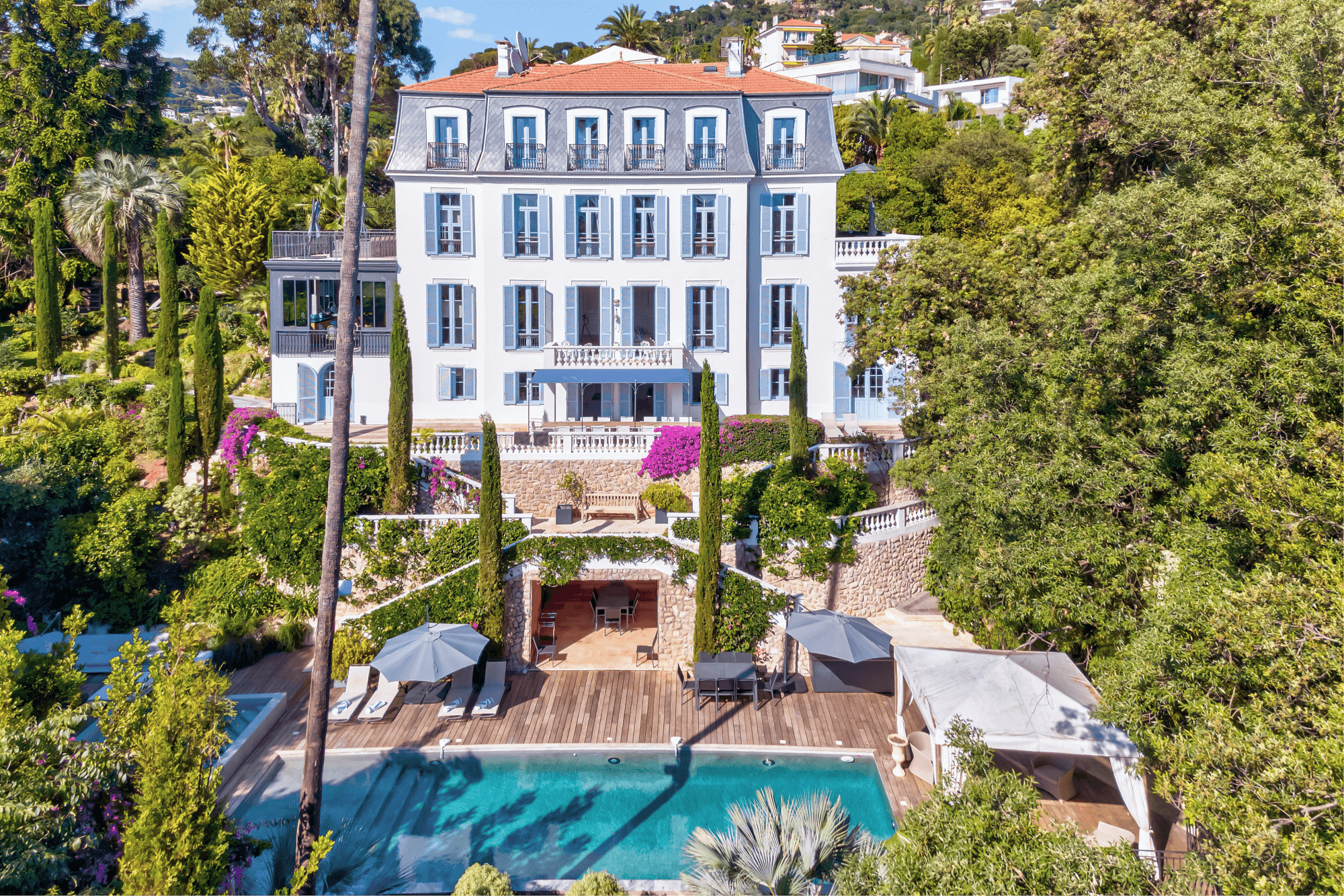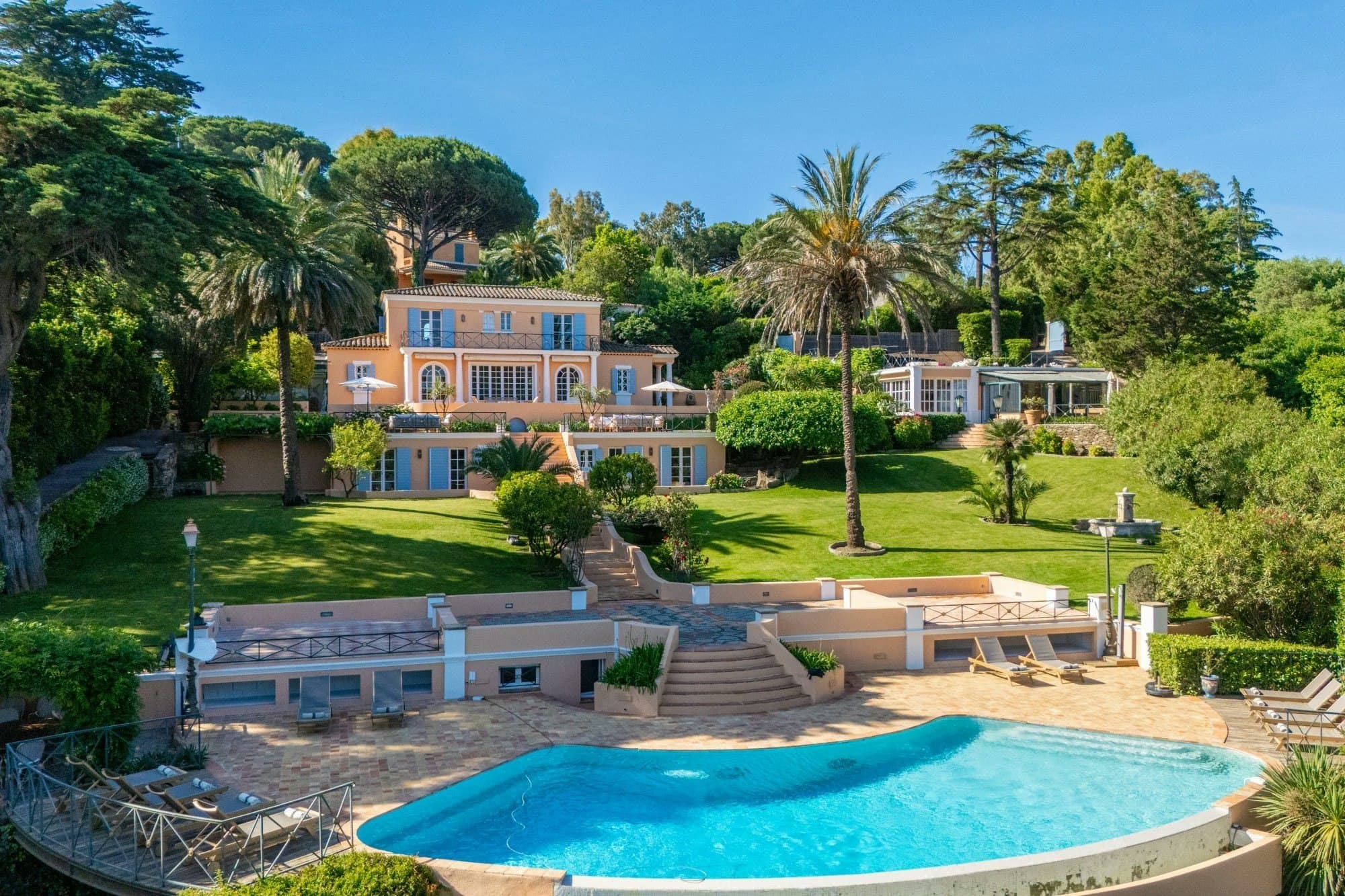
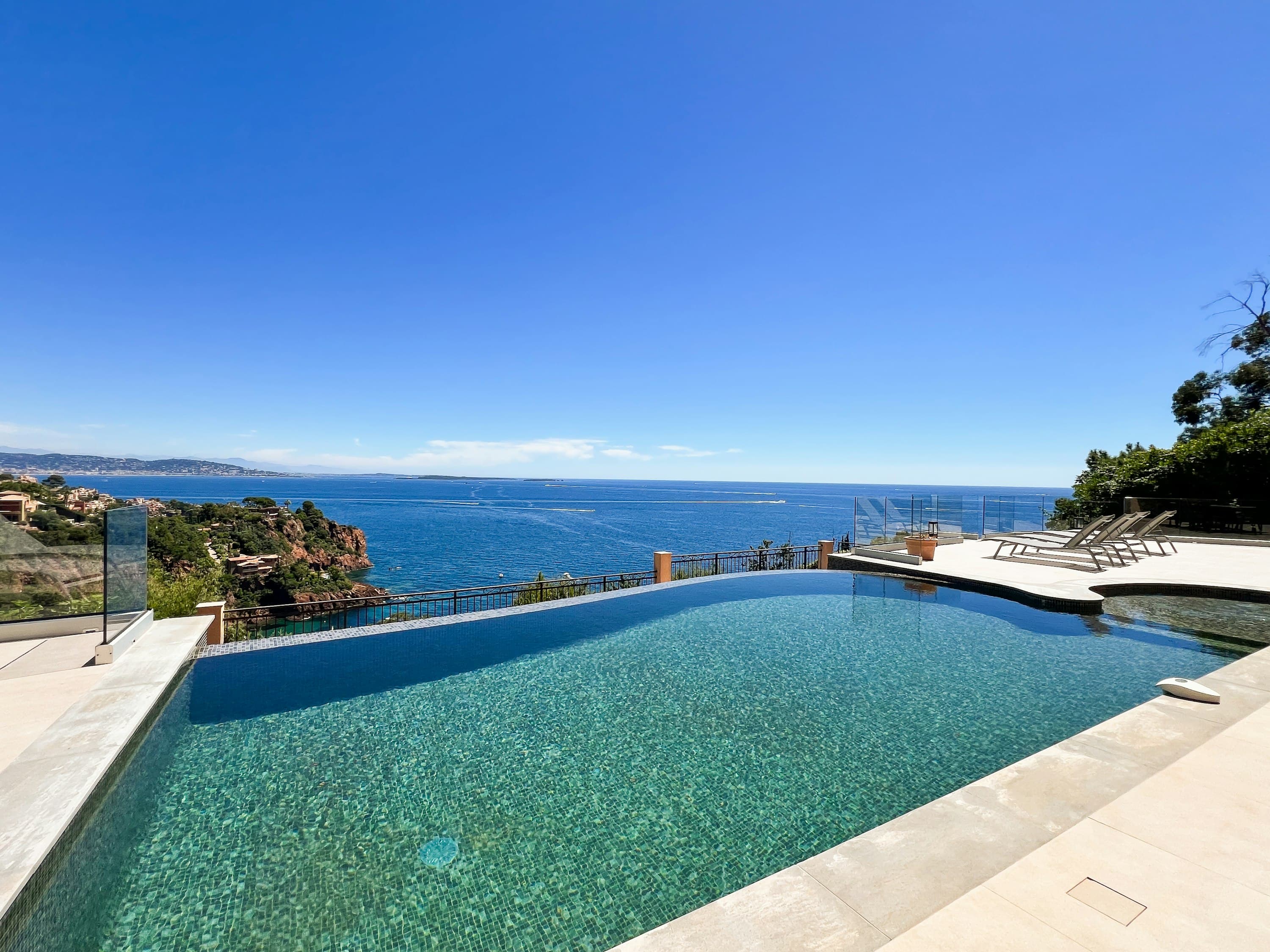
Provence covers roughly 31,400 square kilometres of south-eastern France, stretching from the Rhône Valley to the Italian border and from the Mediterranean coast to the foothills of the Alps. For most travellers, the best time to visit Provence is mid-June to mid-July, when lavender fields reach full bloom, temperatures sit between 25°C and 30°C, and the long evenings feel made for rosé on a terrace. But Provence rewards visitors in every month, and the ideal window depends entirely on what you want from your stay. We have spent time in the region across all four seasons and can say with confidence that each one brings something the others cannot. If you are beginning to plan, our guide to luxury villas and boutique hotels in Provence is a good place to start.
What is the best time to visit Provence for lavender?
Lavender season in Provence runs from mid-June to early August, with peak bloom typically falling between 20 June and 20 July. The exact timing shifts by a week or two each year depending on spring rainfall and temperature, and it also varies by altitude and geography. Fields on the Plateau de Valensole, east of Manosque, tend to bloom a little later than those around Sénanque Abbey near Gordes, which often show colour by the second week of June.
We recommend arriving in the first week of July if lavender is your priority. By then, the Valensole plateau is a sea of purple, Sault's higher-altitude fields are coming into their own and the harvest has not yet begun. Sault holds its annual lavender festival on 15 August, but by that date many lower-elevation fields have already been cut.
One practical note: the most photographed lavender sites, particularly the rows in front of the 12th-century Sénanque Abbey, draw large crowds from mid-morning onwards. Arrive before 08:00 or visit in the early evening to have a more peaceful experience. The Valensole plateau, by contrast, is vast enough that you can find quiet spots even at midday.
How warm is Provence in summer?
July and August bring the highest temperatures, with daytime highs in Aix-en-Provence regularly reaching 32°C to 35°C. Nights cool to around 20°C to 22°C, which makes outdoor dining comfortable but not always cool. Rainfall is minimal: Aix typically records fewer than 20mm in July. The mistral, Provence's famous north-westerly wind, can blow at any time of year but tends to be less persistent in high summer than in spring.
Summer is peak season, and pricing reflects this. Expect to pay the highest rates for villa rentals between late June and the end of August, with many of the finest properties requiring a minimum stay of one or two weeks. Booking six to nine months ahead is sensible for July; for August, when French families take their annual holidays, we would suggest confirming accommodation by January at the latest.
Crowds concentrate in the Luberon villages, particularly Gordes, Roussillon and Bonnieux, and along the Côte d'Azur. If you want summer warmth without the intensity, consider basing yourself further east in the Var or north around Mont Ventoux, where tourism is less concentrated and the landscapes are just as compelling. We have compiled a list of quieter luxury stays in the Var and Haut-Vaucluse that may appeal.
Is August too hot for Provence?
August can feel oppressive, particularly in the lower Rhône Valley around Avignon and Arles, where temperatures occasionally push above 38°C. The coast provides relief, but beaches at Cassis and the Calanques fill quickly. We find early August more enjoyable than late August: the lavender harvest is finishing, the light is golden and the first hints of autumn appear in local markets, with figs, melons and early-season grapes arriving in abundance.
Why is Provence in May so appealing?
Provence in May is arguably the region's most underrated month. Daytime temperatures average 21°C to 25°C in the Luberon and slightly warmer near the coast, with cool mornings around 12°C to 14°C. Rainfall is moderate, averaging about 40mm to 50mm across the month, usually falling in short afternoon showers rather than prolonged grey spells.
The landscape in May is intensely green, wildflowers carpet the garrigue hillsides and cherry trees in the Luberon are heavy with fruit. Markets in Apt, L'Isle-sur-la-Sorgue and Saint-Rémy-de-Provence overflow with asparagus, strawberries and artichokes. The lavender has not yet bloomed, but the vines are leafing out across Châteauneuf-du-Pape and Bandol, and winery visits feel unhurried and personal.
Villa rates in May sit roughly 25% to 40% below peak-season prices, and availability is far more generous. We often recommend May to travellers who want to explore at a relaxed pace, hike the Dentelles de Montmirail or the Calanques without heat stress, and eat exceptionally well without competing for restaurant reservations. You can read more about planning a spring itinerary through Provence on our site.
What is Provence like in autumn?
Autumn begins gently. September still feels like summer in much of Provence, with temperatures of 25°C to 28°C and very little rain. By mid-October, the thermometer drops to around 18°C to 22°C during the day, and the vineyards shift from green to amber and russet.
Is Provence in October worth visiting?
Provence in October is a favourite of ours. The vendange, the grape harvest, wraps up in early October across most appellations, and the winemaking villages of Gigondas, Vacqueyras and Châteauneuf-du-Pape hum with quiet energy. Olive harvest begins later in the month, and many domaines open their doors for tastings and tours with far less formality than in summer.
Temperatures are comfortable for walking: expect highs of 18°C to 21°C and lows around 10°C to 12°C. October rainfall averages roughly 80mm to 100mm in the Vaucluse, with the possibility of heavy Mediterranean storms, particularly towards the end of the month. Pack layers and a waterproof jacket, but do not expect persistent rain.
Markets remain excellent in October. Mushrooms, particularly cèpes and girolles, appear alongside pumpkins, quinces and late-season figs. Restaurants return to heartier Provençal cooking: daubes, soups au pistou and tians of autumn vegetables. Tourist numbers drop significantly after the first week of October, and accommodation rates fall accordingly. Many boutique properties reduce prices by 30% to 50% compared to July.
When does Provence feel too quiet in autumn?
By November, many smaller hotels, restaurants and shops in rural villages close for the season or reduce their hours. The weather turns cooler, with daytime temperatures of 12°C to 15°C, and the mistral can blow hard. Aix-en-Provence, Avignon and Marseille remain lively year-round, but if you are hoping to explore the Luberon or the Alpilles, November can feel rather empty. We suggest treating November as a city-break month rather than a touring month.
What about winter in Provence?
December through February brings the quietest period. Daytime temperatures average 8°C to 12°C, dropping to 2°C to 5°C at night, with occasional frost in the valleys. The mistral is at its most frequent and forceful in winter, sometimes gusting above 100 kilometres per hour and producing brilliantly clear skies.
Winter has its own appeal. Marseille and Aix host Christmas markets in December, and the tradition of the thirteen desserts of Christmas, a Provençal ritual featuring dried fruits, nougat and pompe à l'huile bread, makes dining out in the run-up to Christmas a memorable experience. Truffle season runs from late November through March, centring on the market at Richerenches in the northern Vaucluse, held every Saturday morning. The truffle market at Carpentras, also on Saturdays, is another highlight.
Accommodation rates in winter reach their lowest point, and you can often find exceptional properties at a fraction of summer prices. For travellers who enjoy cultural cities, gastronomy and solitude, winter Provence is genuinely rewarding. Our selection of year-round luxury properties in Provence includes several that keep their kitchens and fires going through the cold months.
When is the best time for wine in Provence?
The harvest period, roughly mid-September to early October, is the most exciting time to visit wine country. Châteauneuf-du-Pape, the largest and most celebrated appellation in the southern Rhône, produces powerful reds from Grenache, Syrah and Mourvèdre, and many domaines welcome visitors for cellar tours and barrel tastings during and just after the harvest. Bandol, on the coast east of Marseille, produces some of France's finest rosé alongside robust Mourvèdre-based reds, and its small-scale domaines are particularly welcoming in September and October.
Outside harvest time, May and June are excellent for winery visits. The vines are growing rapidly, the domaines are less busy, and many host open-door weekends and vertical tastings. We particularly enjoy visiting Gigondas and Beaumes-de-Venise in late May, when the Dentelles de Montmirail provide a dramatic limestone backdrop and the tasting rooms are pleasantly uncrowded.
How far ahead should we book?
For July stays, we recommend booking eight to twelve months in advance, especially for villas in the Luberon or properties near the Gorges du Verdon. August requires similar lead times. May, June and September are more forgiving: three to five months ahead usually secures a strong selection. October through April bookings can often be made four to eight weeks out, though the best addresses fill quickly during truffle season and over the Christmas period.
Hire car availability also tightens in summer. Reserve your vehicle at least two months ahead for a July or August collection from Marseille Provence Airport or Avignon TGV station. In spring and autumn, two to three weeks is usually sufficient.
Provence weather by month: a quick reference
Understanding Provence weather by month helps with packing and planning. January and February are the coldest months, averaging 8°C to 10°C, with about 40mm to 50mm of rain each. March warms to 13°C to 15°C and the almond trees blossom. April brings 16°C to 19°C with occasional showers. May averages 21°C to 25°C and is reliably pleasant. June warms to 26°C to 30°C with very little rain. July and August peak at 30°C to 35°C and are the driest months. September eases to 25°C to 28°C. October cools to 18°C to 22°C. November drops to 12°C to 15°C with increased rainfall. December averages 9°C to 11°C.
Sunshine hours tell their own story. Provence records roughly 2,700 to 2,900 hours of sunshine per year, placing it among the sunniest regions in France. Even in December and January, you can expect four to five hours of sunshine on most days. From May through August, expect ten to twelve hours.
Our month-by-month recommendation
If we had to choose a single month, we would pick early July for the combination of lavender, warm evenings, excellent produce and that particular quality of Provençal light that has drawn painters south for centuries. For travellers who prefer fewer crowds, lower prices and comfortable walking temperatures, May and October are exceptional. June delivers a superb balance of warmth, availability and early lavender. September is ideal for wine lovers and swimmers who enjoy warm seas without peak-season crowds.
Provence rewards those who visit with purpose. Know what you want from the trip, be that lavender fields, truffle markets, vineyard tours or simply long lunches under plane trees, and time your visit accordingly. We are always happy to help with tailored itinerary suggestions for Provence.
Frequently asked questions
What is the single best month to visit Provence?
July combines lavender at full bloom, long sunny days averaging 30°C to 33°C, vibrant markets and the widest range of open restaurants and cultural events. It is the busiest and most expensive month, so book well ahead, but it delivers the most complete Provence experience.
When is lavender season in Provence?
Lavender season in Provence runs from mid-June to early August, with peak bloom typically occurring between late June and mid-July. Lower-altitude fields around the Luberon bloom first, while the plateau around Sault, at roughly 700 to 800 metres elevation, peaks in late July. Harvesting begins from late July and continues into August.
Is Provence worth visiting in winter?
Yes, particularly for food lovers. Truffle season runs from late November through March, and the Saturday morning truffle markets at Richerenches and Carpentras are genuine highlights. Christmas traditions in Aix-en-Provence and Marseille are atmospheric, and accommodation prices drop significantly. Expect cool temperatures of 8°C to 12°C and the possibility of strong mistral winds, but also remarkably clear skies and uncrowded streets.
How many days do we need in Provence?
A week allows a comfortable pace for exploring two or three sub-regions, such as the Luberon villages, the Alpilles around Saint-Rémy-de-Provence and one or two wine appellations. Four to five days works well if you base yourself centrally, in Aix-en-Provence or near Gordes, and make day trips. For a deeper experience that includes the Gorges du Verdon, the coast near Cassis and the northern Rhône vineyards, ten days to two weeks is ideal.
Do we need a hire car in Provence?
For most itineraries, yes. Public transport connects the cities, Aix, Avignon, Marseille and Arles, reliably, but the villages, vineyards and lavender fields that define the region sit along narrow departmental roads that buses serve infrequently. A hire car gives you the freedom to arrive at a lavender field at sunrise or visit a domaine on a whim. Reserve early for summer travel from Marseille Provence Airport or Avignon TGV station.
When should we book accommodation for peak season?
For July and August, aim to confirm your accommodation eight to twelve months in advance. The most sought-after villas in the Luberon and boutique hotels in the Alpilles fill very early, particularly properties with pools. For May, June and September, booking three to five months ahead gives a strong range of options. Autumn and winter stays can usually be arranged with shorter lead times, though truffle-season weekends and the Christmas period benefit from early planning.