The French Riviera stretches roughly 115 kilometres along the Mediterranean coast from Menton near the Italian border to Saint-Tropez in the Var, encompassing some of Europe's most celebrated coastal towns and a hinterland of medieval hilltop villages. A week here, done well, moves at a pace that allows you to absorb the light, the food and the landscape rather than simply ticking off landmarks. We have spent many weeks across this coastline, and the itinerary below reflects how we believe it is best experienced: slowly, with excellent accommodation as your anchor. If you are beginning to plan a Côte d'Azur villa holiday, our curated collection of French Riviera properties provides a strong starting point, each one chosen for privacy, character and location.
This seven-day French Riviera itinerary favours long mornings, unhurried lunches and golden-hour swims. It assumes you have a hire car, though we note alternatives below.
Day 1: Arrival and first light
Your first priority is settling in. Fly into Nice Côte d'Azur Airport, collect your hire car and drive directly to your villa. We recommend basing yourself between Cannes and Nice for the best balance of coast and countryside access, with most of the itinerary's highlights within a 20 to 50-minute drive.
Afternoon
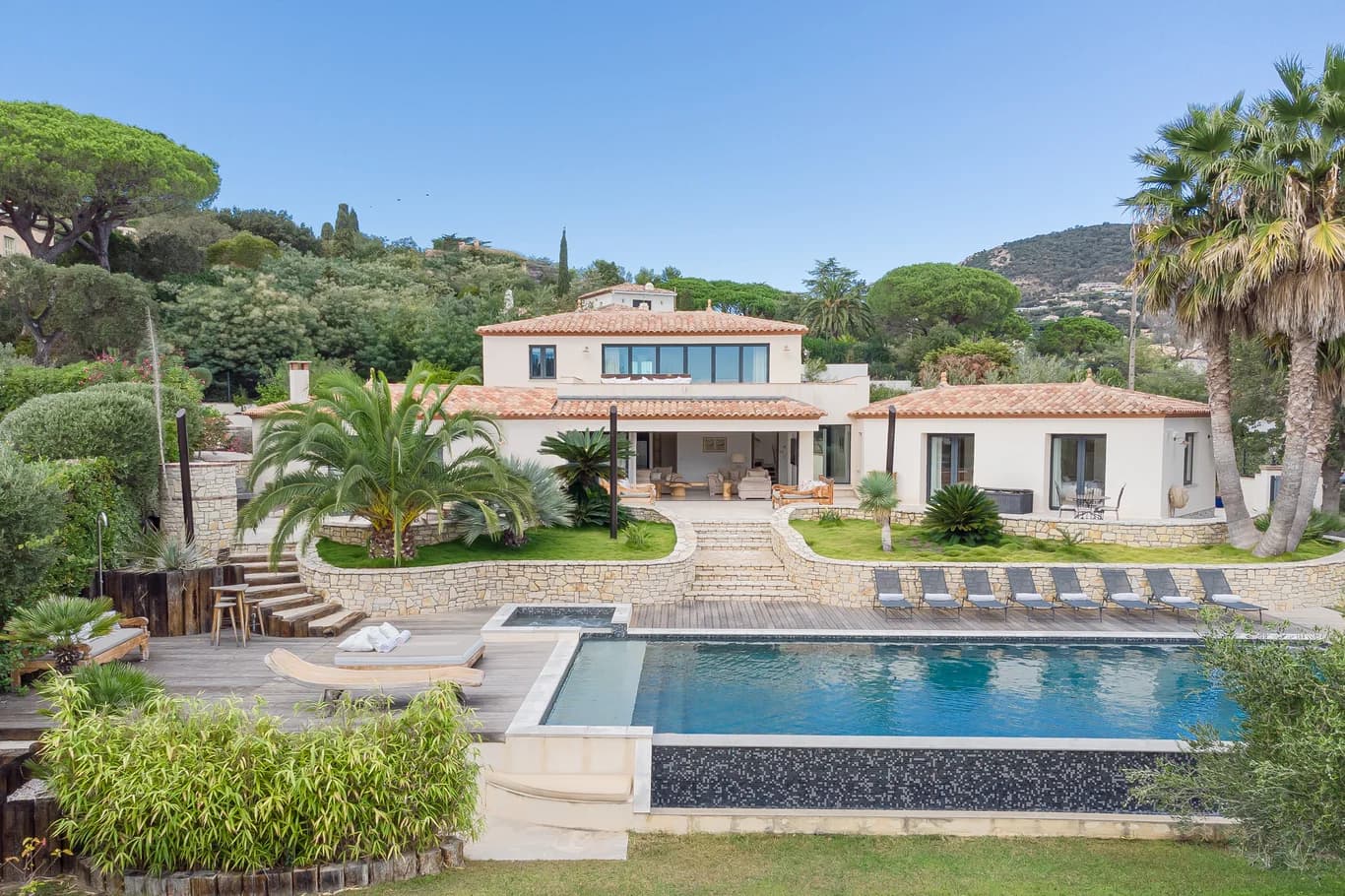
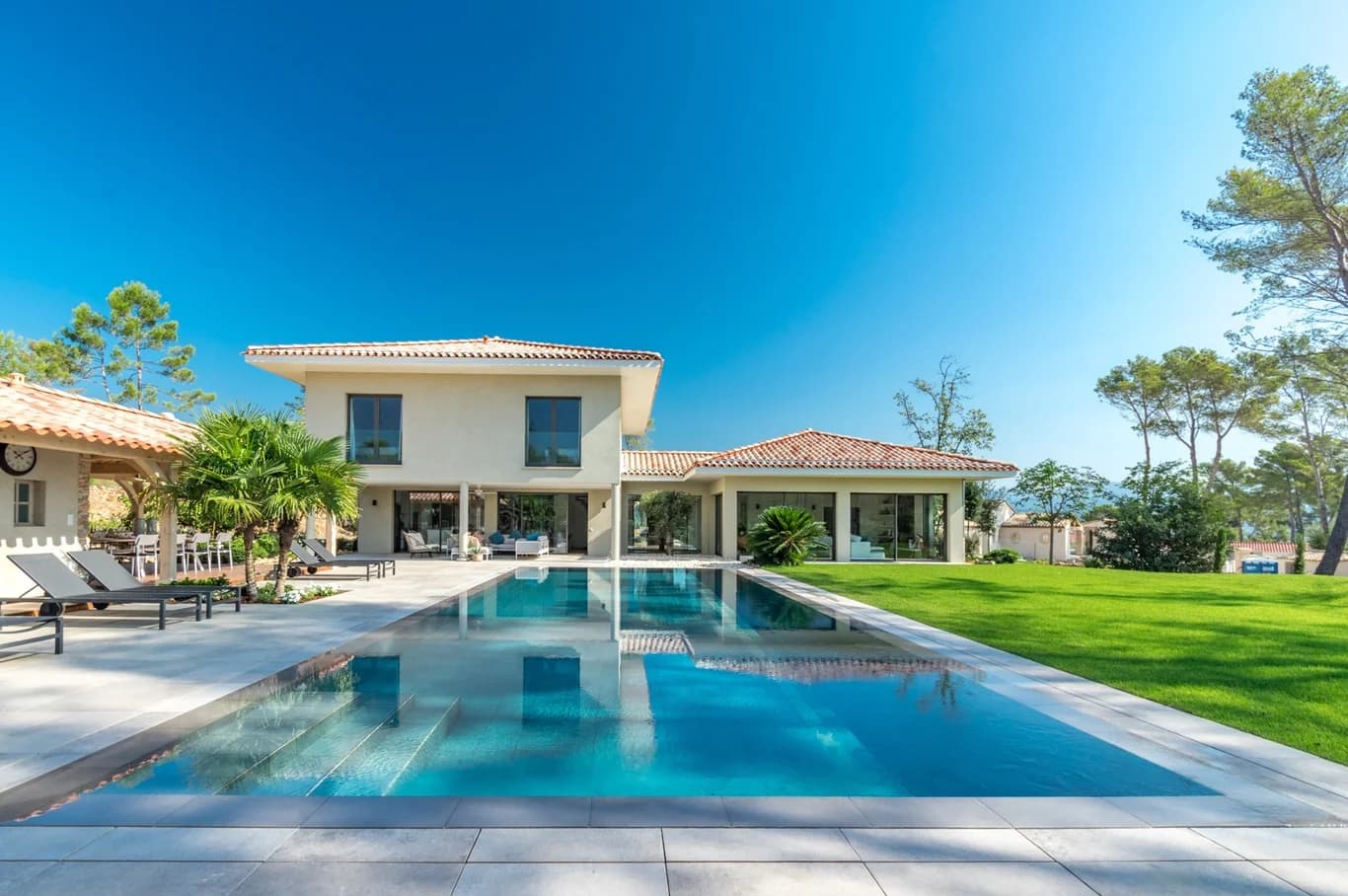
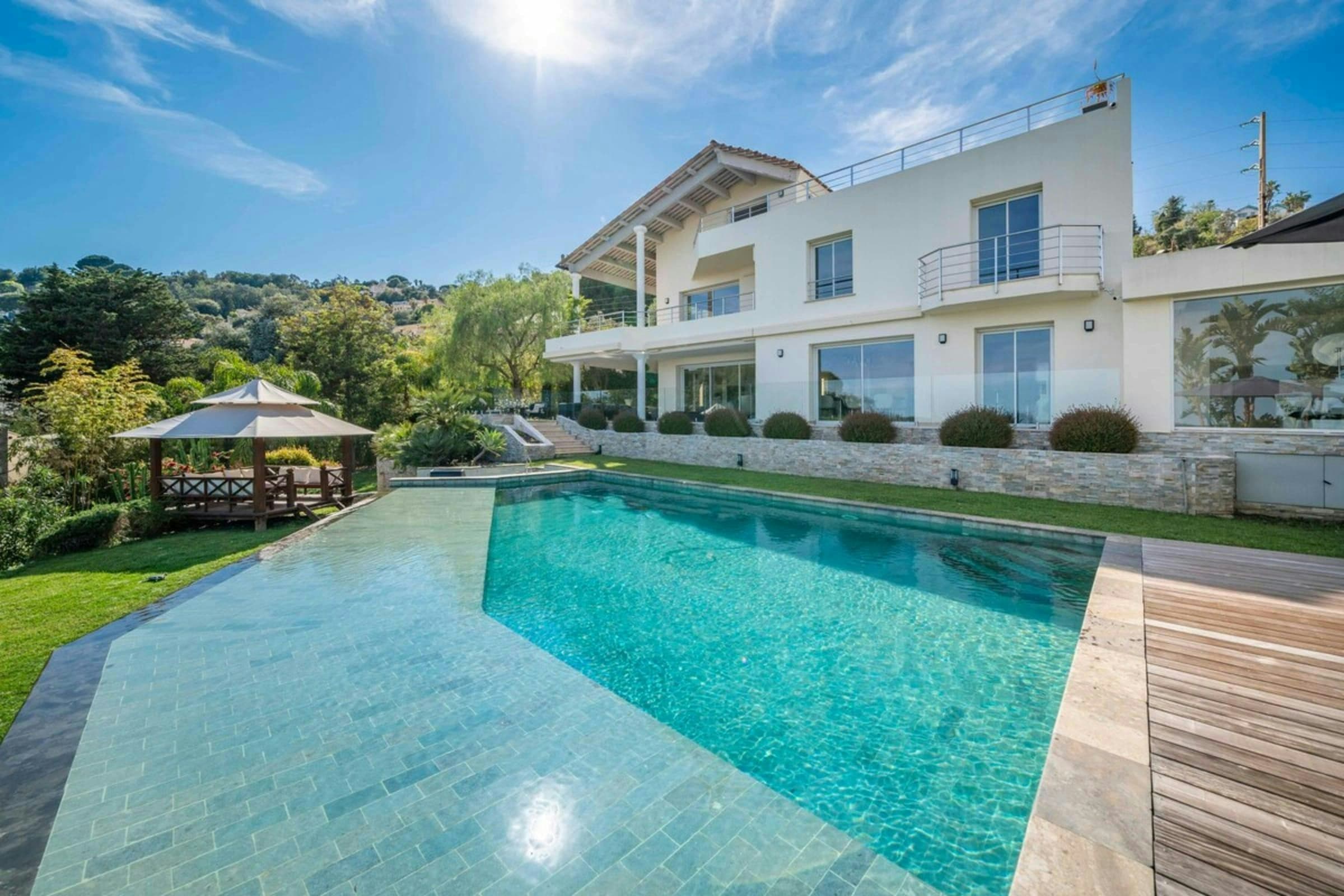
Unpack, swim, do nothing of consequence. If your villa has a pool, this is its moment. Villa Maï Taï, a contemporary property with sea views, makes an exceptional base for precisely this kind of arrival-day decompression. Stock the kitchen with provisions from the nearest town: look for a fromagerie, a boulangerie and a greengrocer rather than a single supermarket. The act of shopping across three stops is part of the ritual.
Evening
Eat simply at the villa. A roast chicken from a rotisserie, a salade niçoise made with proper oil-packed tuna, a bottle of Bandol rosé. Resist the urge to go anywhere on your first night. The Riviera rewards patience, and the restaurants will still be there tomorrow.
Day 2: Why start with Antibes?
Antibes combines a remarkably intact old town, a covered market that ranks among the region's finest and a coastline that shifts from sandy beaches to rocky coves within a short walk. It earns its place early in the week because it sets the tone without overwhelming.
Morning
Drive to Antibes and head straight to the Marché Provençal on Cours Masséna, open every morning except Monday. Arrive before 10:00 to browse stalls selling socca, local olives, lavender honey and courgette flowers. Walk through the old town afterwards, following Rue du Bateau and Rue de la Touraque towards the Musée Picasso, housed in the Château Grimaldi where Picasso worked during the autumn of 1946.
Afternoon
Walk the Sentier du Littoral along the Cap d'Antibes coastline. The full loop takes roughly two hours at a moderate pace, hugging the water past the Villa Eilenroc gardens and around to Plage de la Garoupe. The path is rocky in places, so wear proper shoes. Cool off with a swim at Garoupe, where the water is remarkably clear and a small restaurant serves grilled fish and cold white wine.
Evening
Dine at Les Vieux Murs, set into the ramparts of the old town with tables overlooking the sea. Book ahead for a terrace table. The bouillabaisse here is traditional and generous.
Day 3: The hilltop villages of the Moyen Corniche
The three corniche roads between Nice and Monaco are among the most celebrated drives in Europe, and the middle route, the Moyenne Corniche, passes through Èze, a medieval village that rises 427 metres above the sea.
Morning
Drive to Èze Village, arriving before 10:30 to avoid the coach-tour crowds. Walk to the Jardin Exotique at the summit, where cacti and succulents frame views across to Cap Ferrat and, on clear days, Corsica. The garden takes about 45 minutes to explore thoroughly. Descend through the stone lanes, stopping at the Parfumerie Fragonard for a free tour of their production rooms.
Afternoon
Continue east to the town of Beaulieu-sur-Mer, a quieter alternative to neighbouring Villefranche. Visit the Villa Kérylos, a faithful reconstruction of an ancient Greek villa built between 1902 and 1908 by archaeologist Théodore Reinach. It sits directly on the waterfront and takes about an hour to tour. Afterwards, swim at Plage des Fourmis, a small public beach with calm, sheltered water.
Evening
Return to your villa for a quiet evening. If you are staying at a property like Côte D'Azur Sunshine, which combines seclusion with easy access to local towns, you will find that the transition from exploration to stillness happens naturally.
Day 4: What makes Saint-Paul-de-Vence worth a full day?
Saint-Paul-de-Vence has drawn artists and writers since the 1920s, when Modigliani, Bonnard and Soutine frequented its lanes and its now-legendary inn. The town's cultural weight justifies a slower, more deliberate visit than most travellers give it.
Morning
Arrive early and walk the ramparts before the galleries open. The loop takes about 20 minutes and gives you the geography of the village: the valley of the River Loup to one side, the coast glinting to the south. Visit the Fondation Maeght, a 10-minute walk from the village centre. Designed by Josep Lluís Sert and opened in 1964, it holds one of Europe's most important collections of 20th-century art, with works by Miró, Chagall and Giacometti displayed across indoor galleries and sculpture gardens.
Afternoon
Lunch at La Colombe d'Or, where the dining room walls hold original paintings by Picasso, Matisse and Léger, gifted by the artists in exchange for hospitality. Book well in advance. Afterwards, browse the galleries in the old town. Galerie du Vieux Saint-Paul and Galerie Capricorne are both worth your time.
Evening
Drive 30 minutes to Vence for dinner at Les Bacchanales, a Michelin-starred restaurant run by chef Christophe Dufau. The tasting menu focuses on local, seasonal produce and changes frequently. This is a special evening, and one you will remember.
Day 5: A beach day, done properly
The French Riviera's beaches vary enormously, from the wide sandy stretch of the Promenade des Anglais to the tiny calanques near Le Trayas. A proper beach day here means choosing well and committing to it entirely.
Morning
Drive to Plage de Pampelonne near Ramatuelle, about 90 minutes from Nice. This five-kilometre stretch of sand south of Saint-Tropez remains one of the finest beaches on the coast. Arrive by 10:00 to secure a good spot, either on the public sections or at one of the private beach clubs. Club 55, opened in 1955 during the filming of And God Created Woman, serves excellent grilled fish in an atmosphere that feels expensive without trying too hard.
Afternoon
Stay put. Read, swim, eat a long lunch. This is the day you stop moving. If Pampelonne feels too far, Plage de la Mala near Cap d'Ail, accessed by a steep stairway cut into the cliff, gives you a smaller, more dramatic alternative about 30 minutes east of Nice.
Evening
If you drove to Saint-Tropez, stop in the port for an early evening walk before the drive home. The harbour at dusk, with its painted shutters and absurd yachts, remains genuinely beautiful. For those staying closer to the western Riviera, a villa like Golden Escape, set in generous grounds with a private pool, provides the ideal retreat after a day in the salt and sun.
Day 6: Nice and its neighbourhoods
Nice has more depth than any other city on the Riviera. With a population of around 340,000, it supports serious restaurants, a compelling art scene and a food culture rooted in its Italian past.
Morning
Start in the old town, Le Vieux Nice, at the Cours Saleya flower and food market, open Tuesday to Sunday. Buy a portion of socca from Chez Thérésa and eat it standing up. Walk to the Colline du Château (Castle Hill) for the views, then descend into the Port Lympia neighbourhood, where the colourful buildings and quieter pace offer a contrast to the tourist centre.
Afternoon
Visit the Musée Matisse in the Cimiez neighbourhood, housed in a 17th-century Genoese villa surrounded by olive groves. The collection spans Matisse's career, from early still lifes to the late cut-outs. Nearby, the Musée Marc Chagall holds the largest public collection of the artist's work, including the monumental Biblical Message series. Allow about an hour for each museum.
Evening
Dine at Jan, a restaurant on Rue Lascaris run by South African-born chef Jan Hendrik van der Westhuizen. The cooking blends Provençal ingredients with techniques from across the southern hemisphere, and the wine list favours small regional producers. Alternatively, for something more casual, Olive et Artichaut on Rue Sainte-Réparate serves honest, seasonal French cooking in a tiny, lively dining room.
Day 7: A slow final morning
Your last day should feel unhurried. Use it to revisit a favourite spot or to explore something you missed.
Morning
Swim at your villa one last time. If you have the energy for a short excursion, drive to the Îles de Lérins, a pair of islands reached by a 15-minute ferry from Cannes. Île Sainte-Marguerite has forest trails, rocky swimming coves and the Fort Royal, where the Man in the Iron Mask was imprisoned in the late 17th century. The island is car-free and peaceful, a fitting way to close the week.
Afternoon
Return your hire car and transfer to the airport, or extend your stay. Many of our guests find that seven days reveals just enough of the Riviera to make them want more.
Where should you stay?
Your accommodation shapes this trip more than any single restaurant or village. A well-chosen villa gives you a private retreat to return to each evening, a kitchen for those nights when you would rather cook than dine out and outdoor space that becomes its own destination.
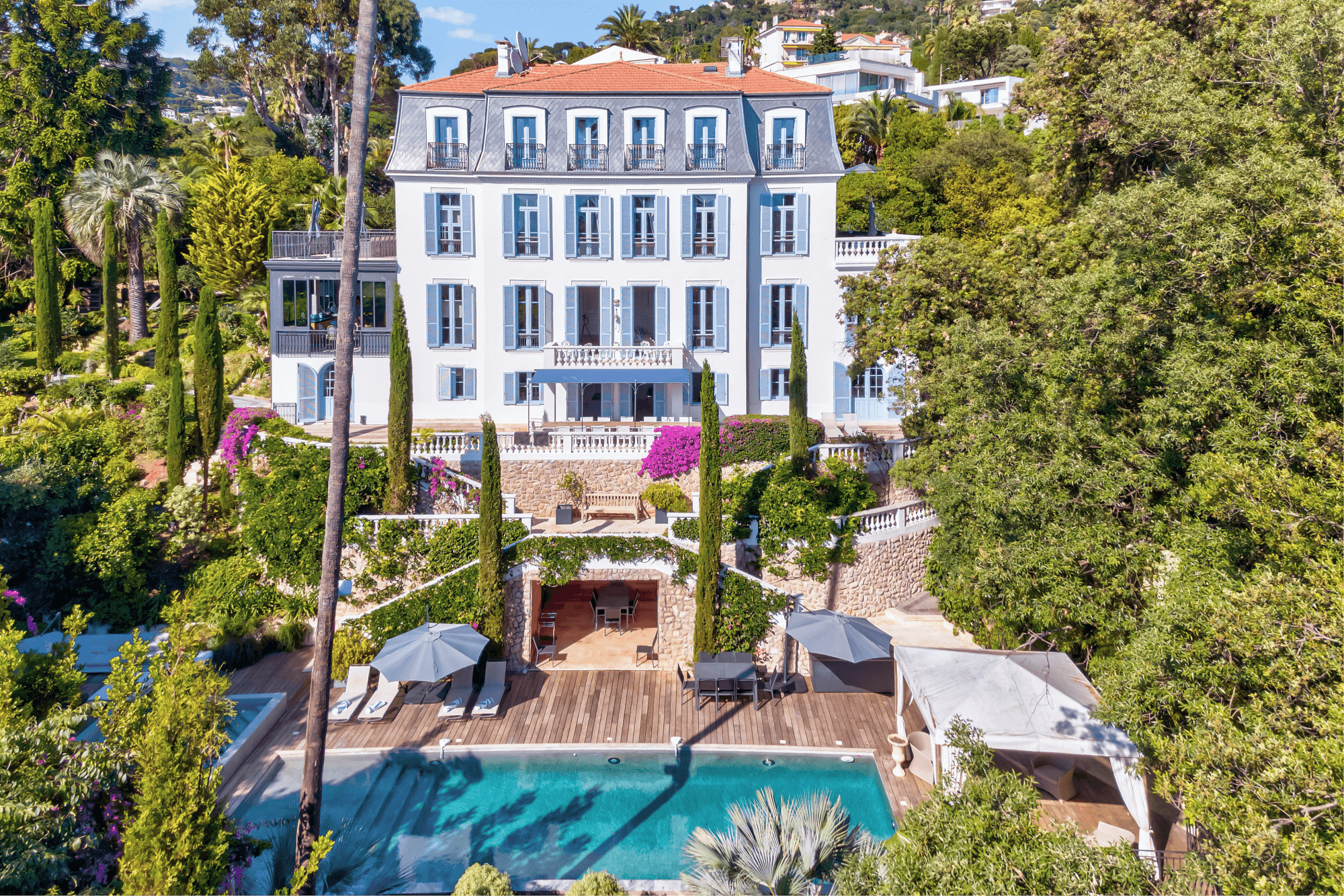
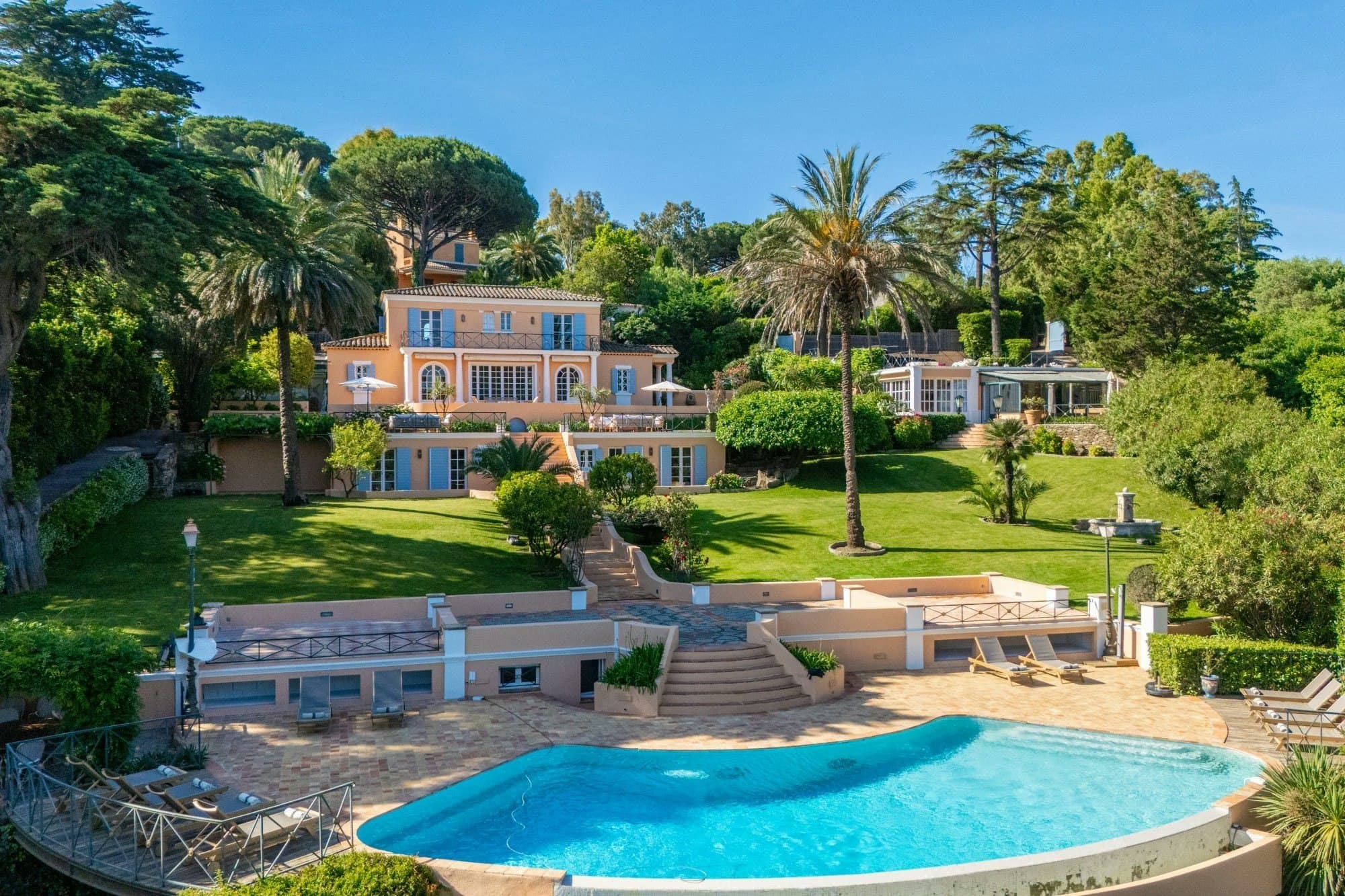
We have selected several properties along this stretch of coast. Southern Beauty, a elegant villa surrounded by Mediterranean gardens, works beautifully for families or groups wanting generous indoor and outdoor living space. For those drawn to the eastern Riviera, Olive and Sea, with its terraced grounds and coastal views, places you within easy reach of Nice, Èze and the Italian border.
Browse our full French Riviera villa collection to find a property that matches your pace.
Practical notes for luxury French Riviera travel
Getting around: A hire car gives you the most freedom, particularly for reaching hilltop villages and quieter beaches. Roads along the coast can be congested in July and August, so travel before 09:30 or after 19:00 when possible. Parking in old towns is often limited; look for car parks on the outskirts and walk in.
When to visit: Late May to mid-June and September offer warm weather, open restaurants and manageable crowds. July and August bring peak heat, higher prices and busier beaches. October can be glorious, though some seasonal restaurants close after mid-month.
Booking ahead: Reserve restaurants like La Colombe d'Or and Les Bacchanales at least two to three weeks in advance. Museum tickets for the Fondation Maeght can be bought online. Beach clubs at Pampelonne fill up by late morning in summer, so call ahead or arrive early.
Budget: The Riviera is expensive, but not uniformly so. Market lunches, villa cooking and public beaches balance the cost of fine dining and private clubs. A bottle of excellent local rosé costs between €8 and €15 at a caviste, a fraction of restaurant prices.
Frequently asked questions
How many days do you need for the French Riviera?
Seven days gives you enough time to explore the major coastal towns, visit two or three hilltop villages, enjoy a proper beach day and still have mornings with nothing planned. You could spend fewer days if you focus on a single area, but this itinerary works best with a full week.
What is the best month to visit the French Riviera?
June and September deliver the strongest combination of warm weather, long daylight hours and reasonable crowds. June averages around 25°C with sea temperatures comfortable enough for swimming by mid-month. September often brings the calmest seas and softer light that photographers prize.
Is it worth hiring a car on the Côte d'Azur?
A hire car makes this itinerary significantly easier to follow. Public transport connects the coastal towns well, with trains running regularly between Cannes, Antibes, Nice and Monaco, but reaching villages like Èze, Saint-Paul-de-Vence and beaches like Plage de la Mala requires either a car or a taxi. Parking is the main challenge, not driving.
Can you do this itinerary with children?
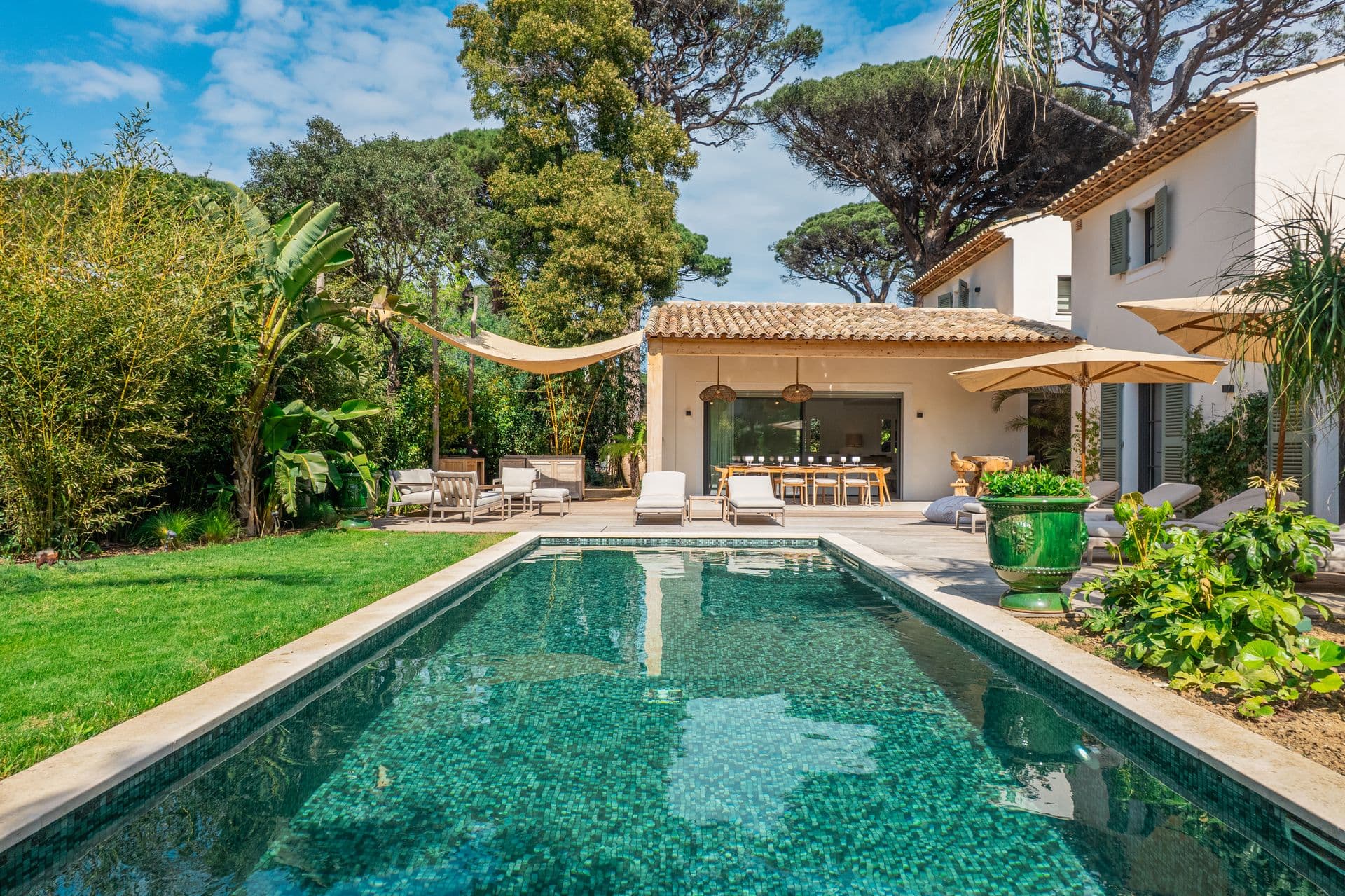
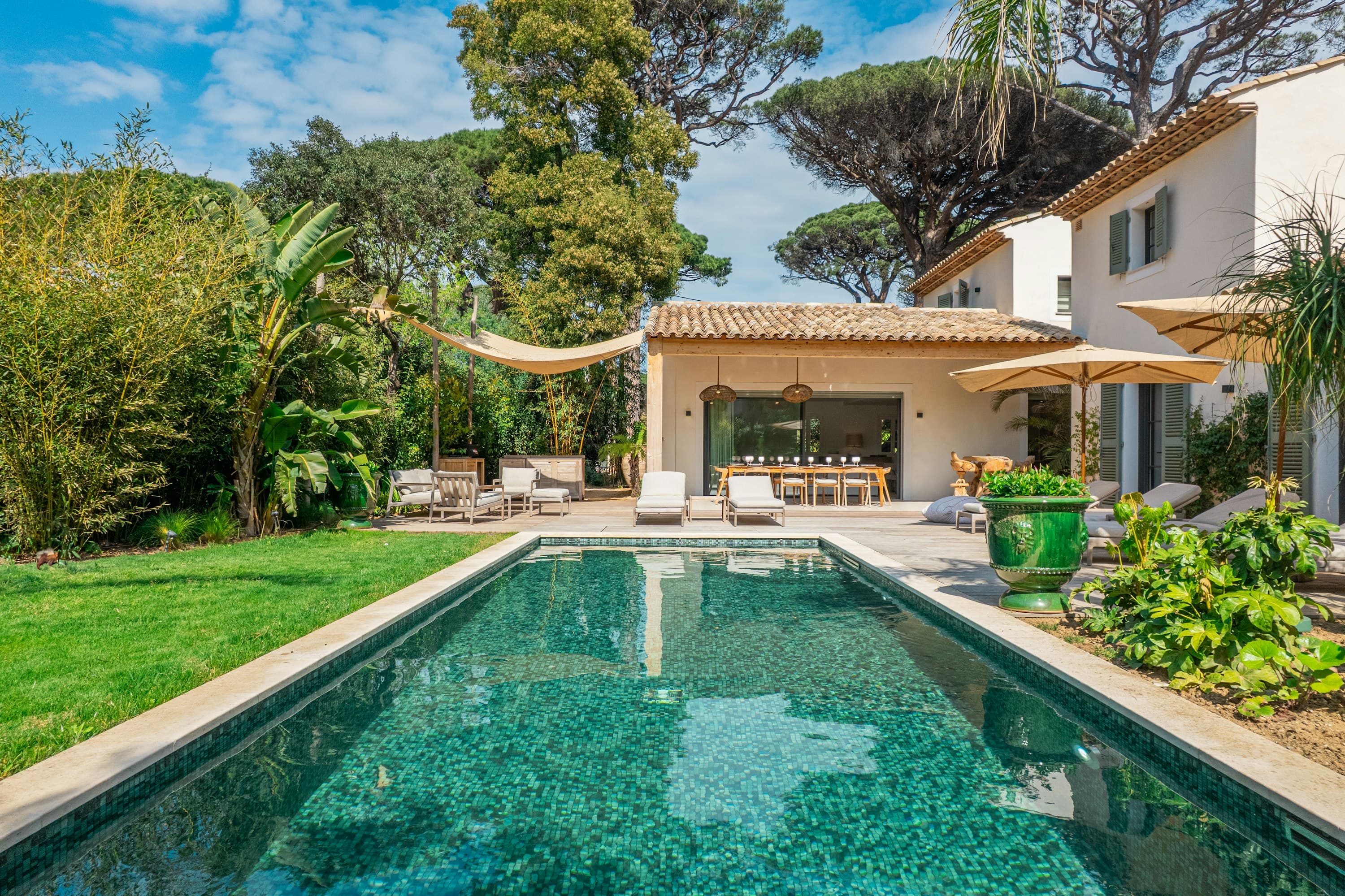
Families adapt this itinerary easily. The Îles de Lérins, the Sentier du Littoral at Cap d'Antibes and the beaches at Pampelonne all work well for children. Younger travellers may find long museum visits less engaging, so consider splitting the Nice museum day into two shorter sessions. A villa with a pool, such as The Emerald Pool, which centres around a striking swimming pool in private grounds, gives children a home base they will actually enjoy.
What should you pack for a week on the French Riviera?
Pack light layers for evenings, when coastal breezes cool the air, and proper walking shoes for the sentier du littoral paths and cobbled village streets. Swimwear and sun protection are essential from May to October. Smart-casual clothing suits most restaurants, though a few of the more formal establishments expect collared shirts for men at dinner.