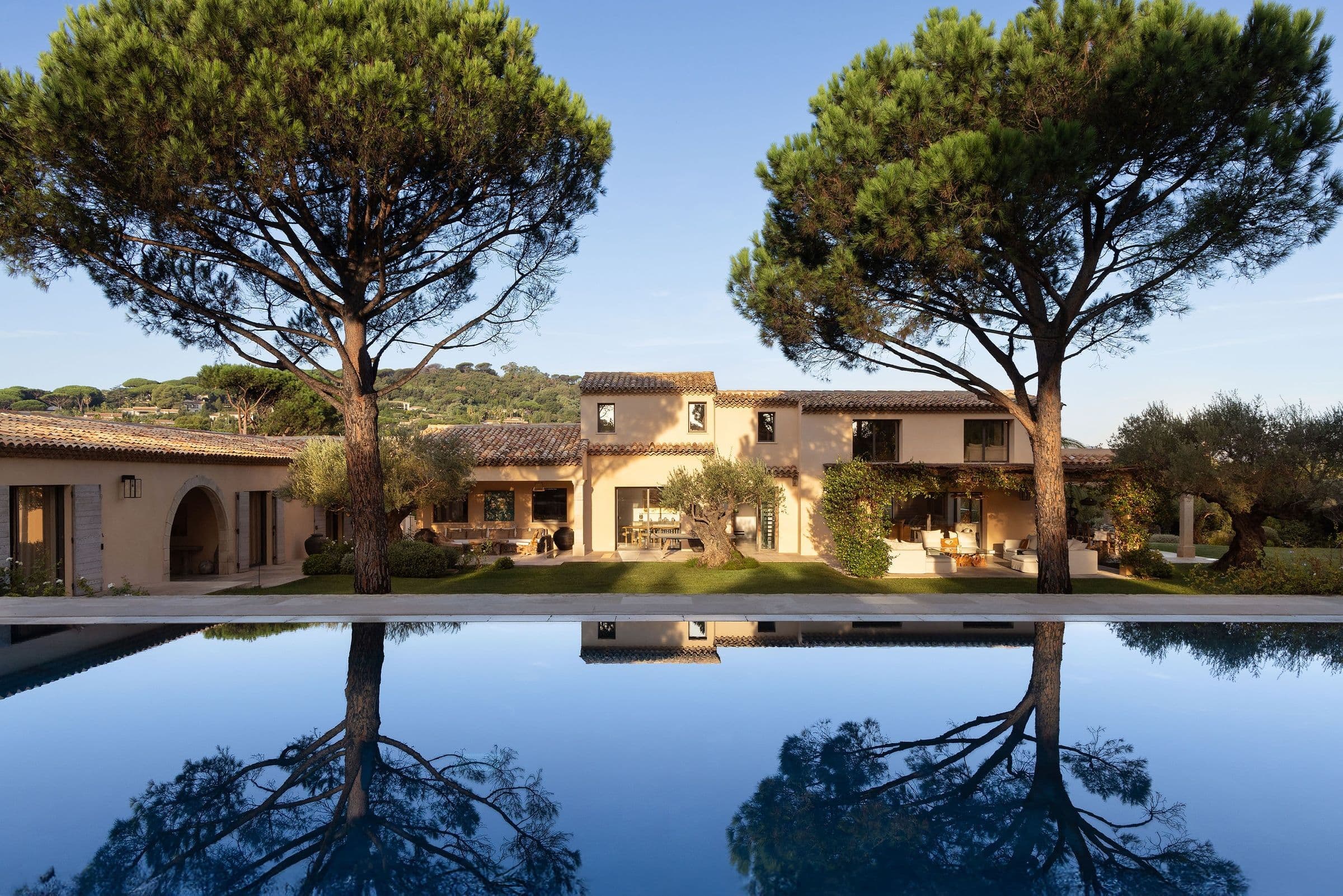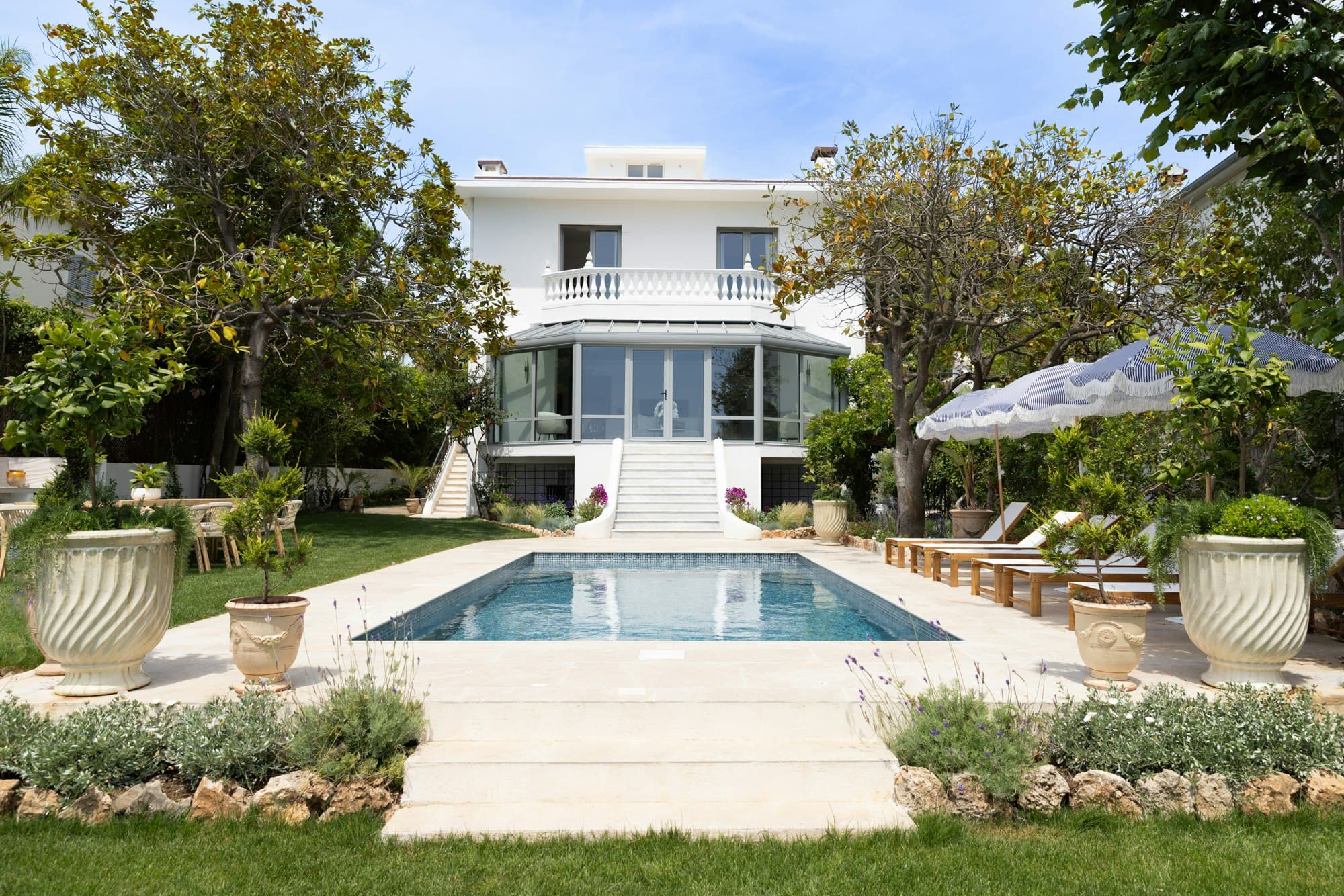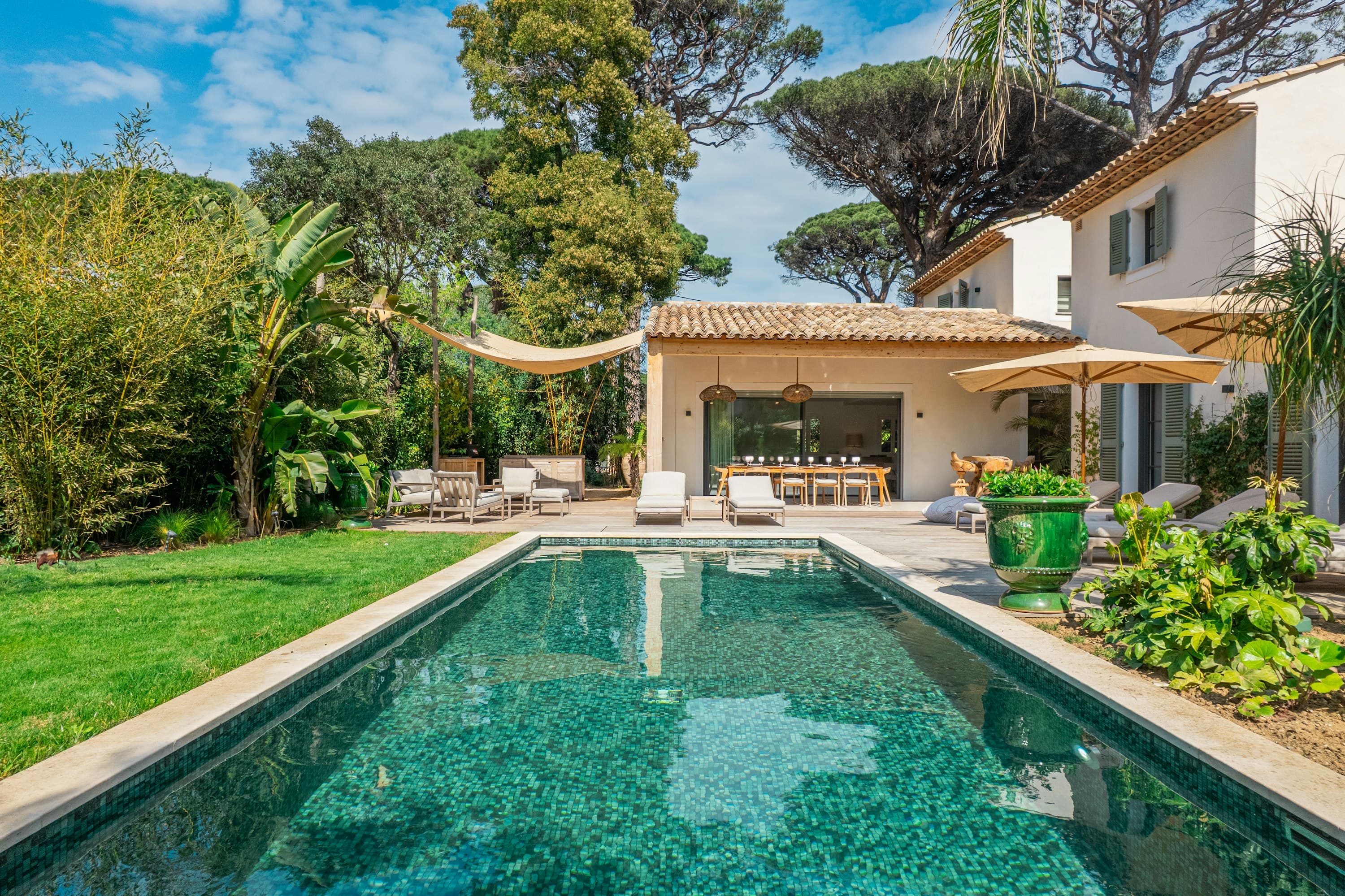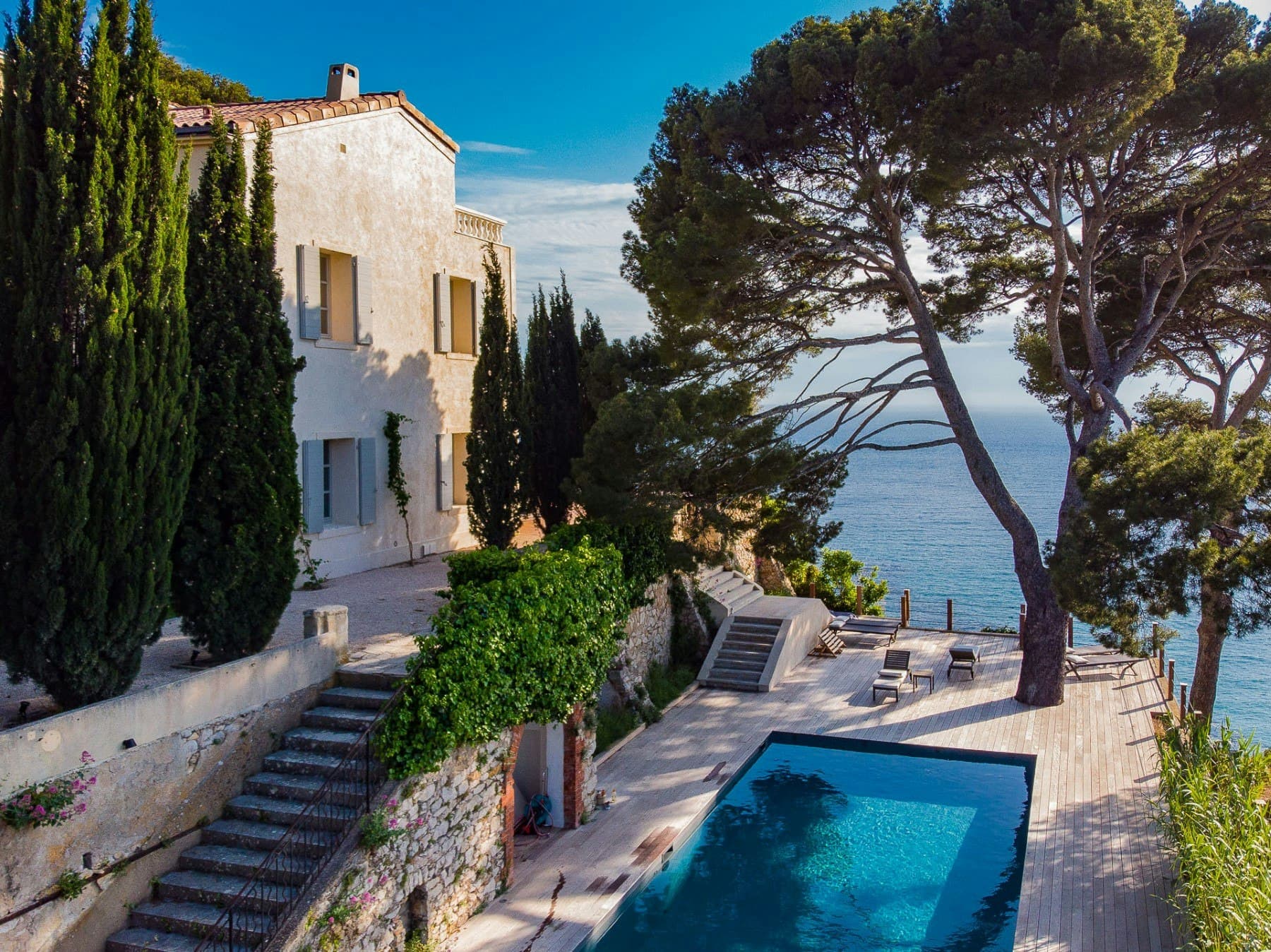

The French Riviera stretches roughly 115 kilometres along the Mediterranean coast of southeastern France, from Cassis in the west to the Italian border town of Menton in the east. This narrow, sun-drenched corridor has drawn royalty, artists and ambitious pleasure-seekers since the 1830s, when British aristocrats first wintered in Nice. Today, it remains one of the most coveted villa destinations in Europe, and for good reason. The light here is extraordinary, the coastline endlessly varied, and the dining scene rivals anything in Paris. We have spent considerable time exploring this region, and our guide to luxury villas in France covers the broader landscape, but the Riviera deserves close attention on its own terms. What follows is our area-by-area breakdown of the best villas along this remarkable coast.
Why does the French Riviera attract villa guests over hotel guests?
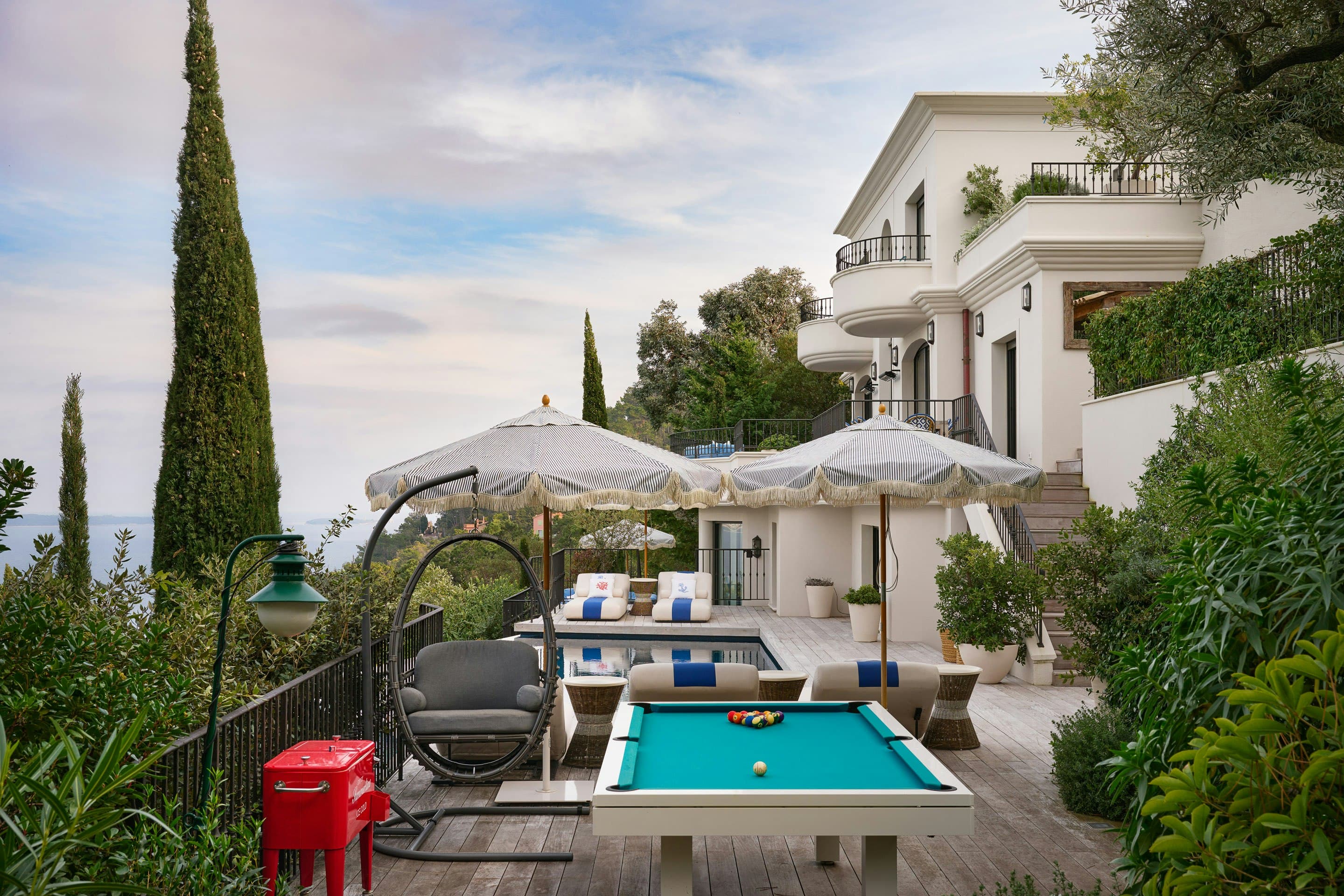
The Riviera rewards privacy. Hotels here can feel performative during peak season, with lobby crowds and poolside jostling that sit at odds with genuine relaxation. A villa, by contrast, gives you the keys to your own domain: a private pool screened by maritime pines, a terrace for long evening meals, and the freedom to set your own pace.
The quality of villa stock on the French Riviera is genuinely exceptional. Many properties date from the Belle Époque or the mid-twentieth century and have been restored with the kind of investment that only this market commands. You will find heated infinity pools cantilevered over the sea, professional-grade kitchens for private chefs, and staff quarters that allow discreet service without intrusion.
Families, in particular, find villas transformative here. A group of eight adults and several children can occupy a single estate for less per head than a pair of interconnecting hotel suites in Cannes, while gaining space, cooking facilities and gardens that make every day feel unhurried.
What makes Cannes the prime base for a villa holiday?
Cannes delivers the most complete villa experience on the Riviera because it combines a genuinely walkable town centre with hillside seclusion just minutes away. The town sits 27 kilometres southwest of Nice and is served by Nice Côte d'Azur Airport, roughly a 35-minute drive without traffic.
Where are the best luxury villas in Cannes?
The most sought-after luxury villas in Cannes cluster in three zones. Super-Cannes, the hillside above the eastern end of town, commands wide bay views and attracts guests who want seclusion with quick access to La Croisette. Californie, the residential quarter favoured by Picasso in the 1950s, sits slightly lower and closer to the centre, with mature gardens and a gentler gradient. Le Cannet, technically a separate commune immediately north, is quieter still and suits families who prioritise space and value.
We have visited properties in all three areas and find Super-Cannes the most rewarding for groups of six to ten, particularly those who plan to hire a car and explore the coast. Villas here typically sit on large plots of 2,000 to 5,000 square metres, with pools oriented southwest to capture afternoon light. Expect to pay from around €15,000 per week in June for a well-appointed four-bedroom villa, rising to €40,000 or more for a staffed estate during the Cannes Film Festival in May.
The town itself needs little introduction. The Marché Forville operates every morning except Monday and supplies some of the finest produce on the coast. Restaurants such as La Palme d'Or at the Hôtel Martinez hold Michelin stars, but our favourite meals in Cannes tend to happen at the less formal tables along Rue Saint-Antoine in Le Suquet, the old quarter above the port.
Which area suits travellers who want authentic Provençal character?
Saint-Paul-de-Vence and the surrounding hilltop villages deliver the Provence that many travellers picture long before they arrive. Saint-Paul sits 20 kilometres northwest of Nice, roughly a 40-minute drive from the airport, and occupies a fortified ridge above rolling countryside dotted with olive groves and cypress trees.
What kind of villas surround Saint-Paul-de-Vence?
Properties here tend towards traditional bastides and mas farmhouses, built from local stone with terracotta roofs and shuttered windows. Many have been renovated to a high standard, with contemporary interiors set behind centuries-old facades. Gardens are more informal than on the coast: lavender borders, fig trees and gravelled terraces replace the manicured lawns of Cannes.
This area suits couples and small groups who value art, walking and a slower rhythm. The Fondation Maeght, one of Europe's finest modern art collections, sits just outside the village walls and holds works by Miró, Giacometti and Chagall. The village itself is compact enough to explore on foot in an hour, though you will want to return repeatedly for the light and the galleries.
Villas in this area typically sleep four to eight guests and range from €5,000 to €20,000 per week during summer. You will need a hire car; the narrow roads require confident driving, but distances are short. The coast at Cagnes-sur-Mer is only 15 minutes south, so beach days are entirely feasible.
Our collection of countryside retreats in Provence includes several properties near Saint-Paul for those drawn to this quieter register.
What does Cap Ferrat offer that nowhere else on the Riviera can match?
Cap Ferrat is a wooded peninsula jutting into the Mediterranean between Nice and Monaco, and it houses arguably the most valuable residential real estate in Europe. The Villa Ephrussi de Rothschild, built between 1905 and 1912, set the template for the peninsula's extravagant architectural character, and the private estates that surround it have maintained that standard ever since.
Are there villas available to rent on Cap Ferrat?
The rental market on Cap Ferrat is tight but not impossible. A small number of exceptional properties become available each year, typically through specialist agents rather than open platforms. We have stayed on the peninsula and can confirm that the experience justifies the premium. The coastal path that circles the cape takes roughly two hours to walk and passes through landscapes of extraordinary beauty: umbrella pines, rocky coves and water so clear you can see the seabed at ten metres.
Villa rates on Cap Ferrat start from approximately €25,000 per week for a four-bedroom property in summer and can exceed €100,000 per week for the grandest estates. These prices reflect scarcity as much as quality. The peninsula is only 2.5 kilometres long, and the number of rentable properties rarely exceeds a dozen at any given time.
Access is straightforward. Nice airport sits just 14 kilometres to the west, and the drive takes around 20 minutes outside rush hour. The village of Saint-Jean-Cap-Ferrat has a modest but appealing selection of restaurants, and the Grand-Hôtel du Cap-Ferrat opens its Club Dauphin pool terrace to outside guests for lunch, which makes for a memorable afternoon.
Why should families consider the Esterel coast between Cannes and Saint-Raphaël?
The Esterel massif, a volcanic range of red porphyry rock that tumbles into the sea between Mandelieu-la-Napoule and Saint-Raphaël, provides some of the most dramatic coastal scenery in the south of France. This 30-kilometre stretch sits immediately west of Cannes and remains far less developed than the eastern Riviera, making it particularly appealing for families with younger children.
What defines villas in the Esterel area?
Properties here tend to sit on larger plots, often surrounded by cork oak and eucalyptus forest, with red-rock outcrops framing sea views. Architectural styles are more contemporary than in the established villa zones further east, with several properties built in the last two decades taking full advantage of floor-to-ceiling glazing and open-plan living.
The beaches at Théoule-sur-Mer and Agay are genuinely family-friendly: small, sheltered and far less crowded than La Croisette or Pampelonne. Kayaking along the Esterel coast is one of the great underrated activities on the Riviera; you can paddle into sea caves and around headlands of vivid red stone, often without seeing another boat.
Villa rates in this area reflect its relative affordability. A well-finished four-bedroom property with a pool starts from around €4,000 per week in July, making this an excellent option for families seeking the best of the luxury villa experience in the south of France without the price tag of Cannes or Cap Ferrat. Our guide to family-friendly villas in the south of France includes several properties along this coast.
Saint-Raphaël has a mainline railway station with direct TGV services to Paris in approximately four hours, which provides a practical alternative to flying for guests arriving from northern France or connecting through the capital.
What about Saint-Tropez and the Gulf of Pampelonne?
Saint-Tropez sits 100 kilometres southwest of Nice on a peninsula that protrudes into the Gulf of Saint-Tropez. Unlike the eastern Riviera, there is no coastal motorway here; the final approach follows the D98a, which can add considerably to journey times in July and August. From Nice airport, allow 90 minutes to two hours depending on traffic.
Which Saint-Tropez neighbourhoods have the best villas?
The most desirable villa locations cluster along the Route des Plages leading to Pampelonne beach and in the hills of Ramatuelle, the commune that technically administers most of the coastline south of Saint-Tropez. Properties in these areas offer the rare combination of proximity to the famous beach clubs (Nikki Beach, Club 55, Loulou Ramatuelle) and genuine seclusion behind high walls and dense vegetation.
Villa architecture in the Saint-Tropez area leans towards a relaxed Provençal style, with exposed beams, stone floors and outdoor dining areas designed around enormous tables. The party-villa market exists here too, with several properties catering to groups of 12 to 20 guests, complete with DJ decks and commercial-grade sound systems.
We recommend Saint-Tropez for guests in their 30s and 40s who want to combine daytime beach culture with serious evening dining. The town's restaurants have improved markedly in recent years; La Vague d'Or at the Cheval Blanc holds three Michelin stars, and the portside bistros along Quai Jean Jaurès serve excellent seafood at more accessible prices. For a deeper look at this particular stretch of coast, see our Saint-Tropez villa guide.
When is the best time to book a villa on the French Riviera?
The peak season runs from late June through August, when temperatures sit between 27°C and 32°C, the sea reaches a swimmable 23°C to 25°C, and every restaurant and beach club operates at full capacity. Rates during this window are at their highest, and the most desirable properties book six to twelve months in advance.
We consistently recommend May to early June and September to mid-October as the most rewarding periods for a villa stay. The light is softer, the roads are emptier and restaurant reservations become far easier to secure. Sea temperatures in late September typically hover around 21°C to 22°C, which remains perfectly comfortable for swimming. Villa rates drop by 30 to 50 per cent outside peak season, which often allows guests to upgrade to a larger or better-positioned property for the same budget.
Spring visitors should note that the Cannes Film Festival (usually mid to late May) inflates rates and reduces availability across the western Riviera. If your dates coincide, book early or consider basing yourselves further east around Nice or Cap Ferrat.
Winter stays are underrated. The Riviera enjoys roughly 300 days of sunshine per year, and daytime temperatures between December and February typically range from 10°C to 15°C. The coast takes on a completely different character: quieter, more local and surprisingly atmospheric. Our guide to winter villa stays in France covers this in more detail for those intrigued by an off-season visit.