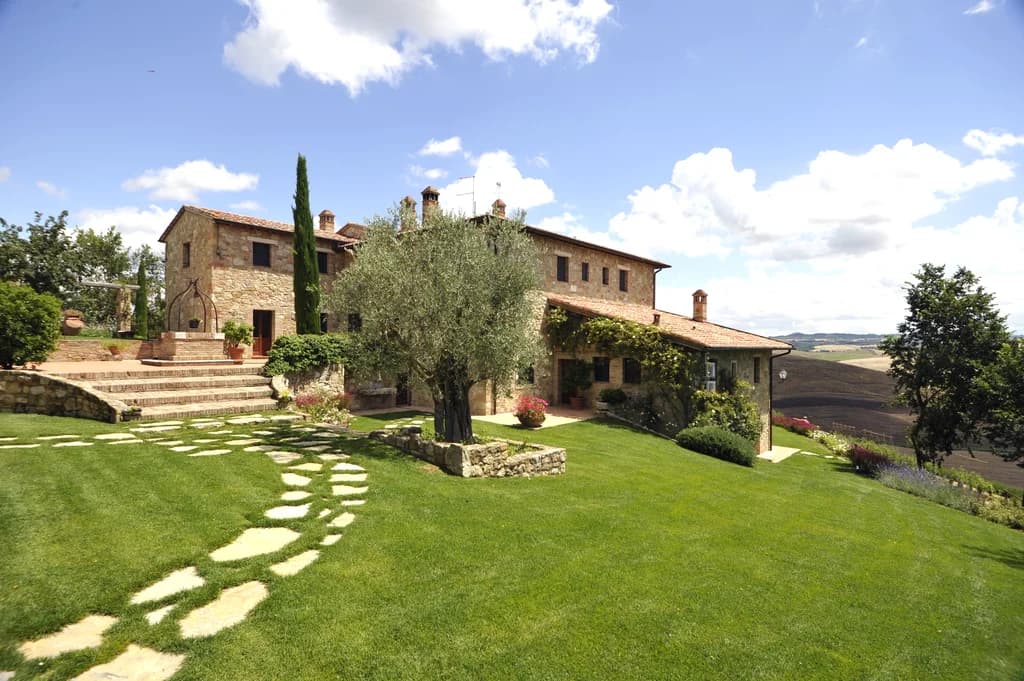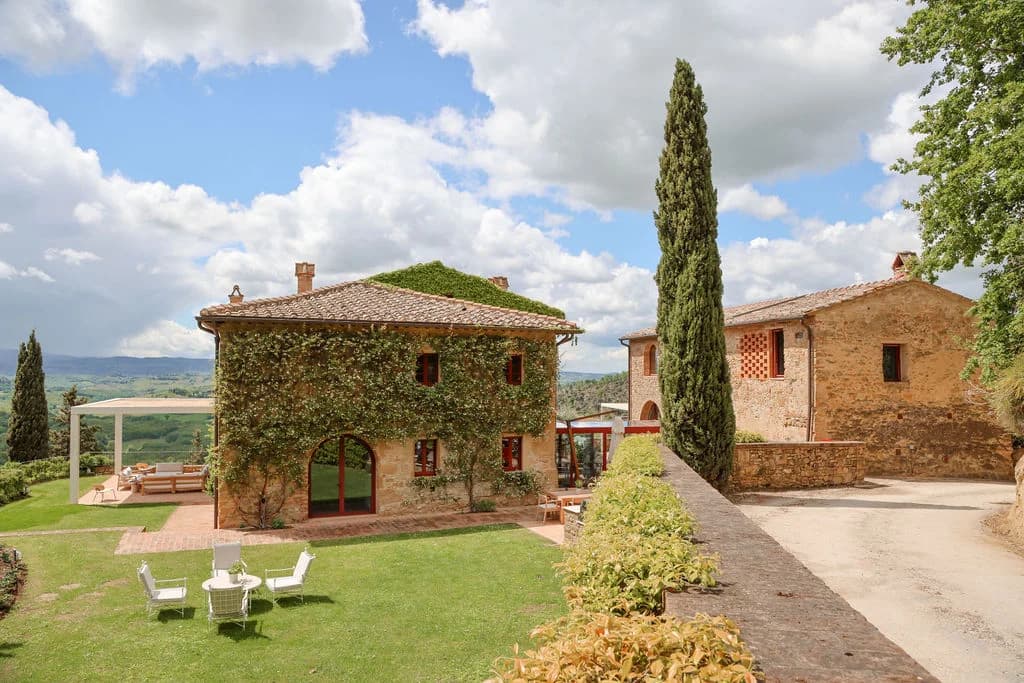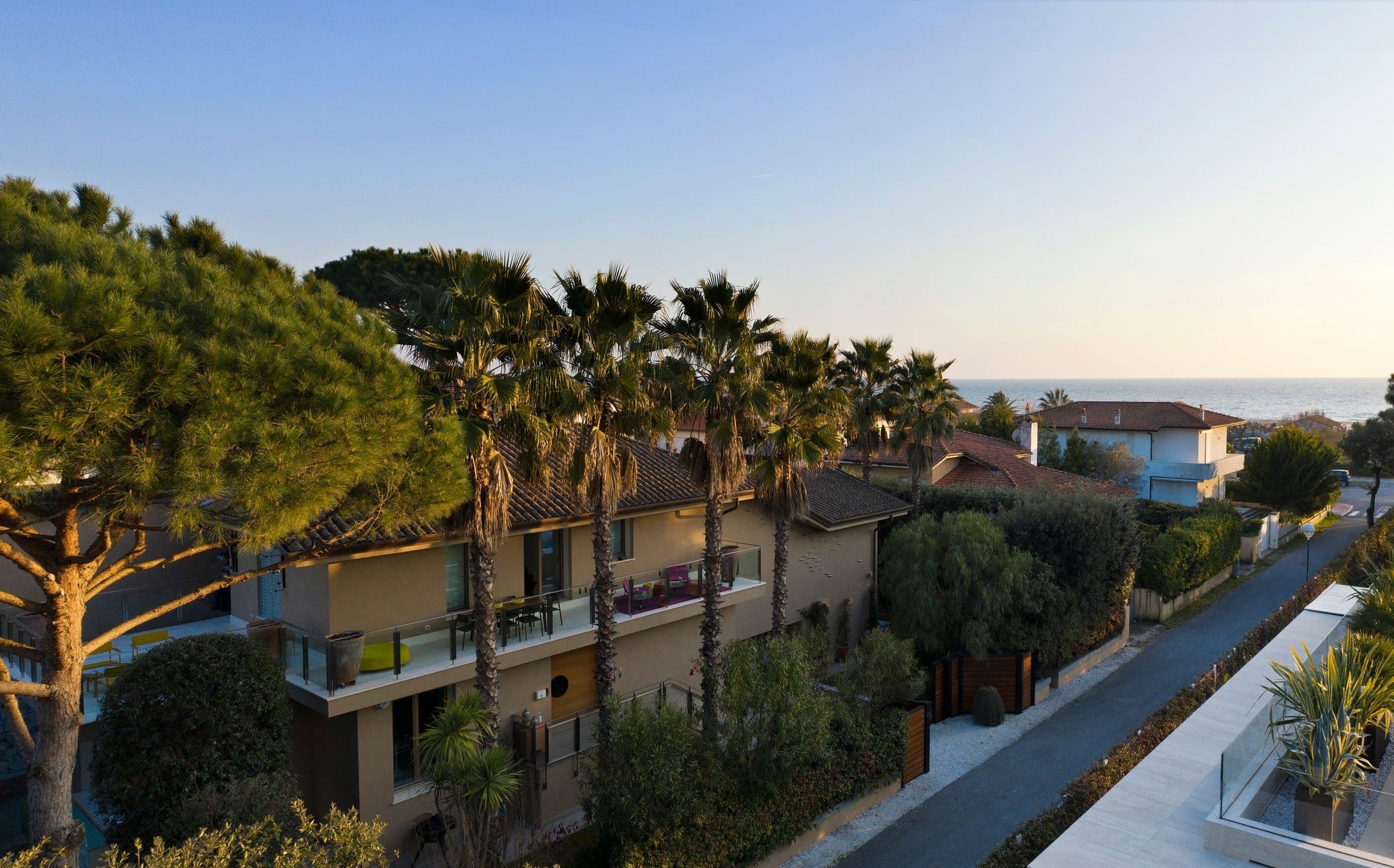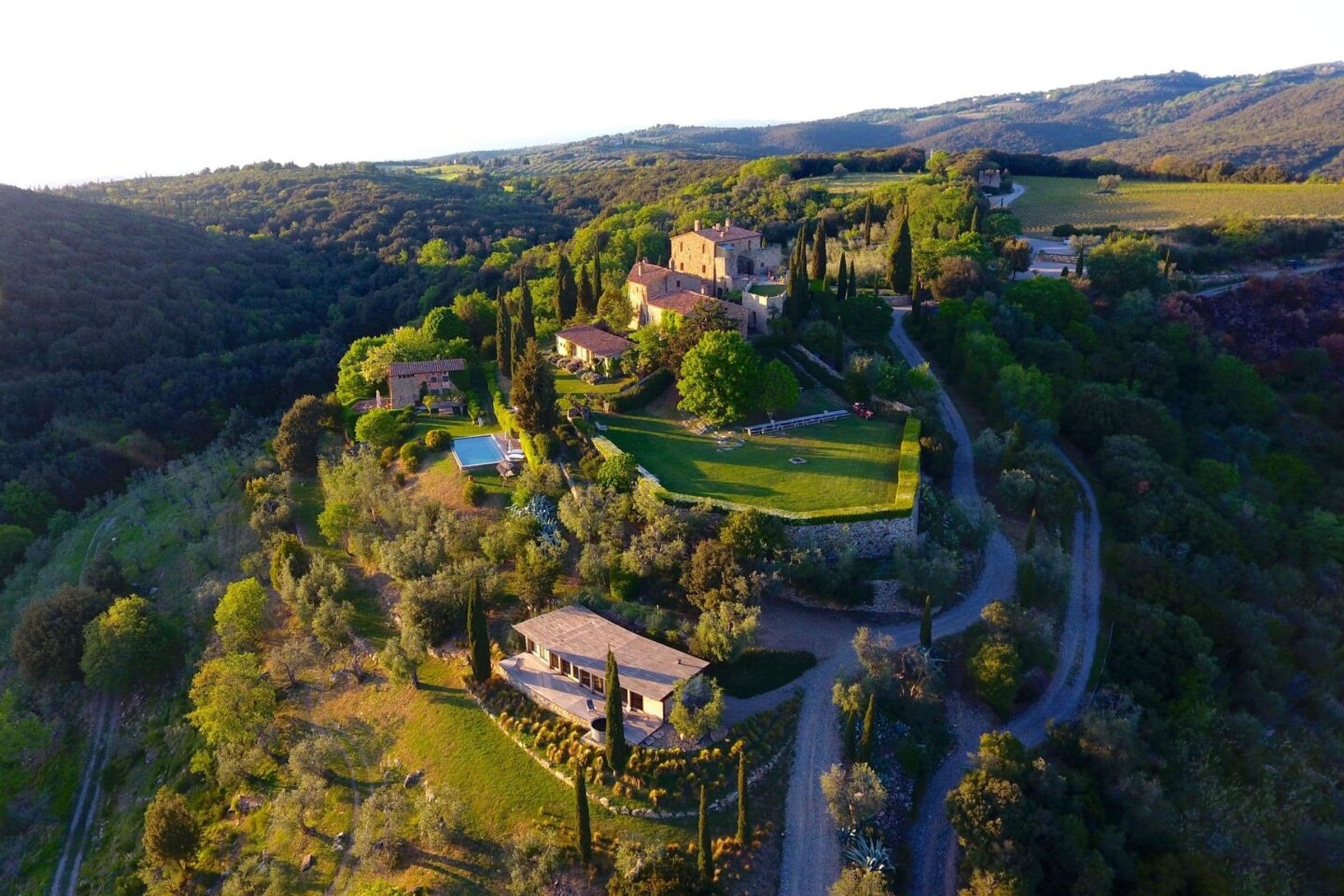
Tuscany covers roughly 23,000 square kilometres of central Italy, making it larger than Wales and home to seven UNESCO World Heritage Sites, over 400 DOC and DOCG wine appellations and some of the most celebrated art collections on earth. For most travellers, the best time to visit Tuscany falls between May and mid-June or from mid-September through October, when warm days, manageable crowds and peak vineyard beauty converge. We have spent weeks across both windows and find they each reward a different kind of trip. If you are beginning to plan, our guide to luxury stays in Tuscany is a useful companion to this seasonal breakdown.
The reality is that Tuscany has no true "off" season. Even January brings its pleasures. But your experience will differ dramatically depending on when you arrive, so below we walk through the year month by month, covering weather, pricing, crowd levels and the activities that shine brightest in each period.
What is the best month to visit Tuscany overall?
September is our top recommendation for the majority of travellers. Daytime temperatures in Florence, Siena and the Val d'Orcia typically range from 24°C to 28°C, dropping to a comfortable 15°C at night. Rainfall remains low, usually between 60mm and 80mm across the month. The summer crowds thin out sharply after the first week, yet nearly every restaurant, estate and museum still operates full hours.
September also marks the start of the vendemmia, the annual grape harvest that transforms Chianti, Montepulciano and Montalcino into a hive of activity. You can book harvest experiences at estates such as Castello di Ama and Antinori nel Chianti Classico, often including a meal among the vines. Light is golden and low, which photographers and painters have prized for centuries.
Villa availability reopens as families return home for the school year. Prices drop 15% to 30% compared with July and August, depending on the property. We advise booking four to six months ahead for the best options at this level.
How does Tuscany weather change by month?
Understanding Tuscany weather by month helps you match your priorities to the calendar. Here is a condensed overview before we examine each season in detail.
January to March: Cool to cold, with daytime highs of 8°C to 14°C. Rain is moderate, fog common in valleys. Very few tourists.
April: Transitional. Temperatures climb from 14°C to 19°C. Wildflowers begin. Some rain.
May to June: Warm and increasingly dry. Highs of 22°C to 30°C. Poppies peak in late May.
July to August: Hot, often exceeding 35°C in Florence. Minimal rain. Maximum crowds.
September to October: Warm then mild. Harvest season. Foliage colour builds through October.
November to December: Cool, wet and atmospheric. Olive harvest in November. Truffle season peaks.
Is Tuscany in May worth the trip?
Tuscany in May is extraordinary and ranks alongside September as our co-favourite month. Average daytime temperatures sit between 20°C and 25°C, with cooler mornings around 12°C. Rainfall drops compared with April, typically totalling 50mm to 70mm.
The countryside is at its most vivid. The famous poppy fields of the Val d'Orcia and Crete Senesi blaze red from mid-May, often lasting into the first week of June. Cypress-lined roads glow against brilliant green wheat fields. If you want that iconic Tuscan photograph, this is when to take it.
Crowds remain moderate outside Florence. The Uffizi and Accademia galleries in Florence grow busier towards the end of the month, but a pre-booked early-morning slot still feels civilised. In smaller towns such as Pienza, Cortona and San Gimignano, you can walk the streets comfortably, especially on weekday mornings.
Villa pricing in May sits in the mid-to-high range, roughly 10% to 20% below peak summer rates. We recommend booking six months in advance. For suggestions on properties with private grounds and vineyards, see our curated Tuscan villa collection.
What is summer like in Tuscany?
July and August bring the highest temperatures and the densest crowds. Florence regularly hits 35°C to 38°C, and the historic centre can feel oppressive by early afternoon. Hill towns such as Montepulciano and Montalcino are a few degrees cooler but still warm.
This is prime family travel season, and many of the finest rural estates fill months in advance. Prices peak: a four-bedroom villa with a pool in Chianti can cost 40% to 60% more than the same property in May or October. If summer is your only option, prioritising a property with a pool and air conditioning moves from luxury to necessity.
On the positive side, summer evenings in Tuscany are magical. Outdoor concerts, sagre (food festivals) and open-air cinema screenings run almost nightly across the region. The Siena Palio takes place on 2 July and 16 August, a bareback horse race around Piazza del Campo that we consider one of Italy's most electrifying public spectacles.
Beach access is another summer advantage. The Maremma coast, Forte dei Marmi and the island of Elba (a one-hour ferry from Piombino) are all within reach by hire car. Water temperatures peak at around 25°C in August.
If you do visit in summer, plan museum visits for the opening hour, schedule long lunches indoors and save outdoor exploration for late afternoon onwards. Florence to Siena is roughly 75 kilometres and takes about 75 minutes by car, so day-tripping between bases is practical.
Why is Tuscany in September so special for wine lovers?
Tuscany in September revolves around the grape harvest, and wine estates across the region open their doors wider than at any other time. Brunello di Montalcino producers begin picking Sangiovese Grosso grapes in mid-September. Chianti Classico estates follow a similar timeline, with some earlier-ripening plots harvested from late August.
We have joined harvest mornings at smaller estates near Radda in Chianti and Castellina in Chianti where guests pick alongside local workers, then sit down to a pranzo of fresh pasta, local salumi and the estate's current vintages. These experiences feel personal rather than performative, particularly at family-run properties with 10 or fewer hectares.
Enoteca visits also improve in September. In Montalcino, wine bars such as Enoteca la Fortezza pour Brunello tastings with knowledgeable staff who have more time once the August rush subsides. In Montepulciano, the Bravio delle Botti barrel race takes place on the last Sunday of August, so if you arrive in the first days of September you catch the lingering festival atmosphere.
For those building a trip around food and wine, our Tuscany itinerary for wine lovers maps out a seven-day route through the major appellations.
What makes autumn in Tuscany so appealing?
Autumn in Tuscany begins in earnest around mid-October and extends through November. This is the region at its most contemplative, with soft light, harvest aromas and a slower pace that suits travellers who prefer depth over breadth.
What is Tuscany in October like?
Tuscany in October delivers mild days of 16°C to 22°C, cool evenings around 10°C and steadily increasing rainfall, typically 80mm to 100mm across the month. The vineyards turn gold and russet, creating a colour palette entirely different from the vivid greens of May. Chestnut forests in the Garfagnana and Mugello valleys put on a rich display of amber and copper.
October is truffle season's opening act. White truffles from San Miniato and the Crete Senesi begin appearing on restaurant menus, and the San Miniato Truffle Fair runs on the last three weekends of November, but smaller truffle hunts with trained dogs operate from mid-October. We joined one near Volterra and came away with a walnut-sized white truffle that the host shaved over fresh tagliolini. The scent alone justified the trip.
Villa prices drop substantially in October, often 30% to 50% below summer rates. Some properties close for the season at the end of the month, so availability narrows. We suggest booking three to four months ahead.
Is November a good time for Tuscany?
November suits a particular kind of traveller: one drawn to food, olive oil and solitude. Daytime temperatures hover around 10°C to 14°C, and rain is frequent, averaging 100mm to 120mm. Many rural restaurants and agriturismi close for annual holidays, so advance research is essential.
The olive harvest runs from late October through November, and pressing facilities (frantoi) across the region welcome visitors for tastings of olio nuovo, the season's fresh-pressed oil. The flavour is peppery, vivid and completely unlike the aged bottles you find at home. Frantoi near Lucca, Cortona and the hills south of Siena are all worth visiting.
Florence in November is a revelation. Gallery queues shrink, hotel rates drop and the city's indoor pleasures, from the Bargello's sculpture halls to the markets of San Lorenzo, take centre stage. For a curated list of where to stay in the city, see our Florence hotel recommendations.
When should we avoid Tuscany?
We would not say any month deserves outright avoidance, but certain weeks bring friction. The two weeks surrounding Ferragosto (15 August) see Italian domestic tourism at its peak: roads to the coast jam, restaurants in smaller towns may close as owners take their own holidays, and popular sites feel saturated.
Late January and February can feel bleak in the countryside, with grey skies, bare vines and limited services. Florence remains vibrant year-round, but a purely rural itinerary in deep winter requires careful planning and a tolerance for quiet evenings.
Easter week draws large numbers to Florence and Siena. If you plan a spring visit, the weeks immediately after Easter often deliver better value and thinner crowds.
How far in advance should we book?
For July, August and the Easter fortnight, we advise booking eight to twelve months ahead, especially for villas with pools in Chianti, Val d'Orcia or near the coast. Prime properties in these areas sell out by February for the following summer.
For May, June and September, four to six months of lead time strikes a good balance between choice and flexibility. October and November bookings can often be made two to three months out, though the best rural properties with working vineyards or olive groves fill earlier.
City hotels in Florence and Siena follow a slightly different pattern. Business travel and conference schedules create occasional demand spikes outside the tourist calendar, so checking availability early is wise regardless of season. Our Tuscany planning guide provides a month-by-month booking checklist.
What should we pack for each season?
Spring and autumn call for layers. A light waterproof jacket, comfortable walking shoes with grip for cobblestones and gravel vineyard paths, and a scarf for cool mornings will see you through most situations in May, September and October. Evenings at rural restaurants can turn chilly by 21:00, even in May, so a merino jumper earns its luggage space.
Summer demands sun protection above all: a wide-brimmed hat, SPF 50 and a refillable water bottle. Linen clothing breathes well in 35°C heat. Pack a slightly smarter outfit if you plan to dine at Michelin-starred restaurants such as Arnolfo in Colle di Val d'Elsa or Il Piastrino in Pennabilli.
Winter visitors should bring a proper coat, an umbrella and waterproof shoes. Tuscan stone buildings can feel cold inside, so thermal layers help, particularly in older agriturismi without central heating.
Frequently asked questions
What is the cheapest time to visit Tuscany?
November through February (excluding the Christmas to New Year fortnight) brings the lowest accommodation prices across the region. Villa rates can fall 50% to 70% below peak summer levels, and Florence hotel rooms that cost €400 per night in June often drop to €150 to €200. Flights to Pisa and Florence also tend to be cheaper, and car hire rates decrease. The trade-off is cooler, wetter weather and reduced opening hours at some rural attractions.
Is Tuscany too hot in August?
Temperatures in Florence and the lower valleys frequently exceed 35°C in August, and the heat can make outdoor sightseeing uncomfortable between 12:00 and 16:00. Hill towns at 500m elevation and above are somewhat cooler, and properties with pools become essential rather than optional. If you handle heat well and plan your days around the afternoon siesta, August is manageable, but we steer most travellers towards September for a more comfortable experience.
Can we visit Tuscan wineries without a car?
It is possible but limiting. Some estates near Montalcino and Montepulciano run shuttle services or sit within walking distance of town centres. Organised wine tours departing from Florence, Siena and San Gimignano cover two to three estates in a day and include transport. However, to reach smaller, family-run producers along the back roads of Chianti or the Val d'Orcia, a hire car gives you far more freedom and flexibility.
When do the Tuscan poppy fields bloom?
The famous red poppies of the Val d'Orcia and Crete Senesi typically bloom from mid-May through the first week of June. The exact timing shifts by a week or two depending on spring rainfall and temperatures. Late May is the most reliable window. The fields along the SP146 road between Pienza and San Quirico d'Orcia are among the most photographed, but you will find poppies scattered across the entire region during this period.
Is October too late for warm weather in Tuscany?
Early October still delivers pleasantly warm days of 18°C to 22°C, particularly in the first two weeks. By late October, temperatures dip closer to 14°C to 16°C, and evenings feel distinctly autumnal. Rain becomes more frequent but rarely lasts all day. For travellers who enjoy crisp mornings, golden vineyard colours and cosy trattoria lunches, October sits in a sweet spot between the warmth of summer and the quiet of winter.
How many days do we need in Tuscany?
We recommend a minimum of five full days to cover one city base (Florence or Siena) and one rural area (Chianti, Val d'Orcia or the Maremma coast). Seven to ten days allow you to explore two rural zones, add a wine-focused day trip and still leave time for unscheduled wandering through smaller towns such as Cortona, Volterra or Lucca. Rushing through Tuscany defeats its purpose: the region rewards slow mornings, long lunches and unhurried drives along cypress-lined roads.