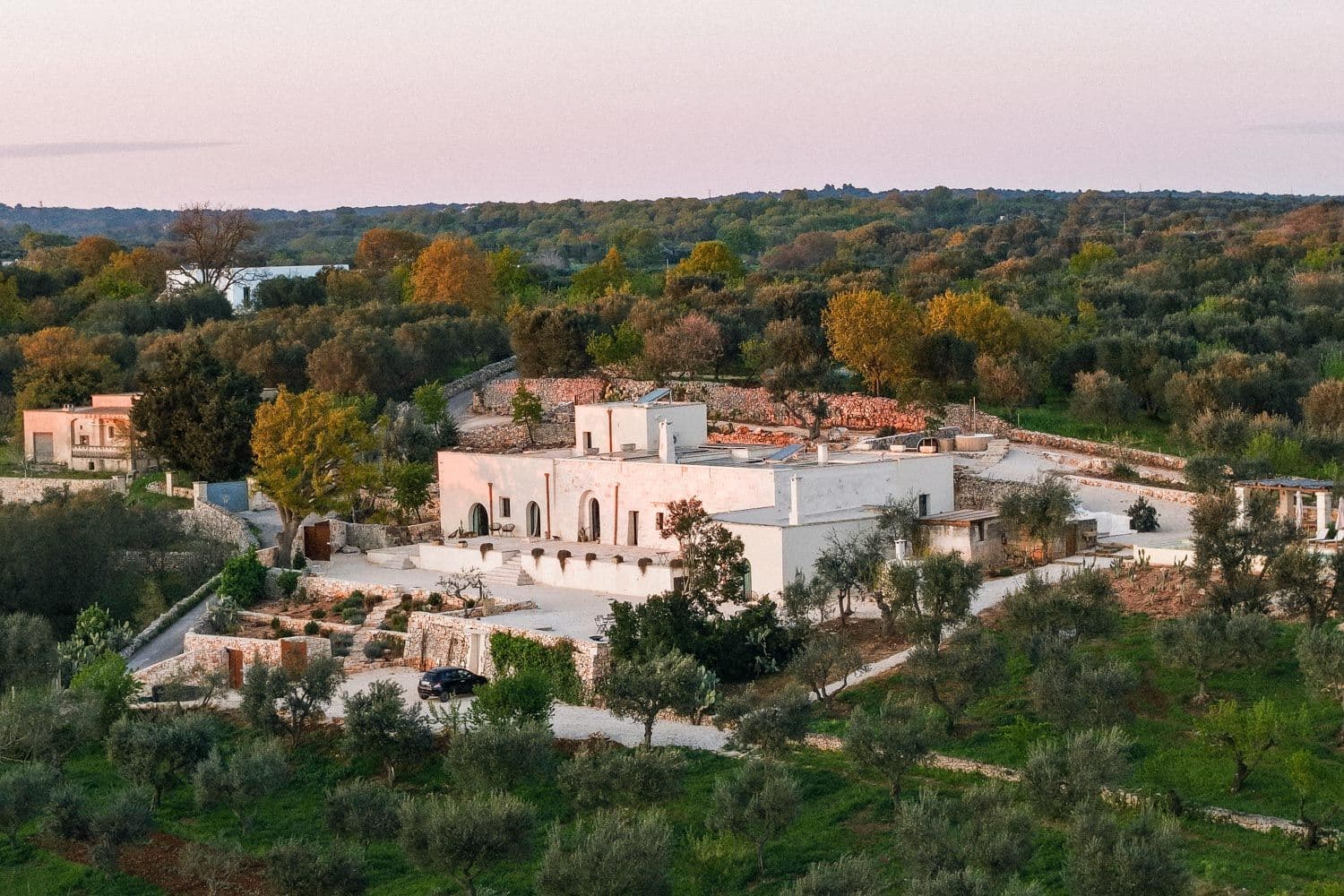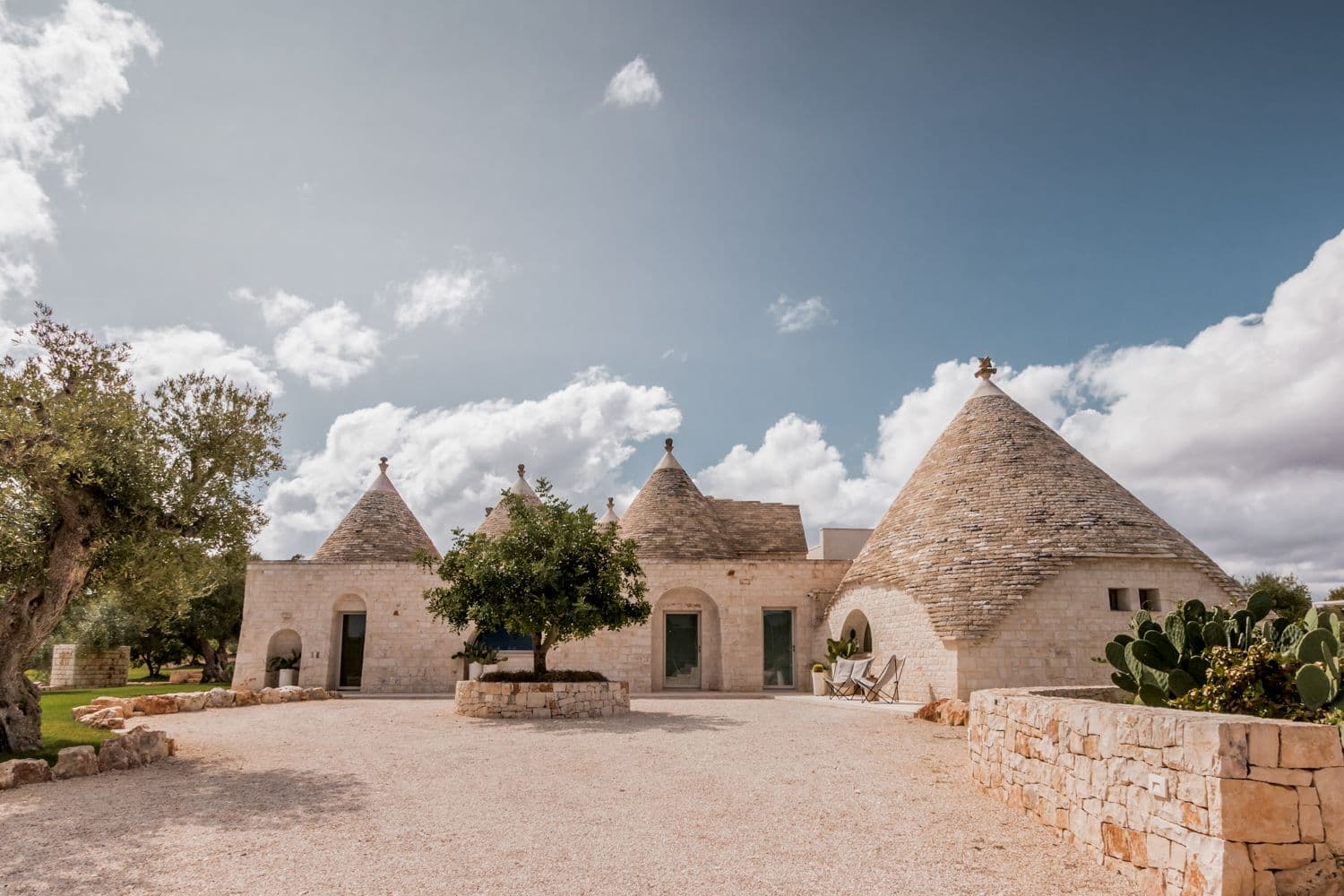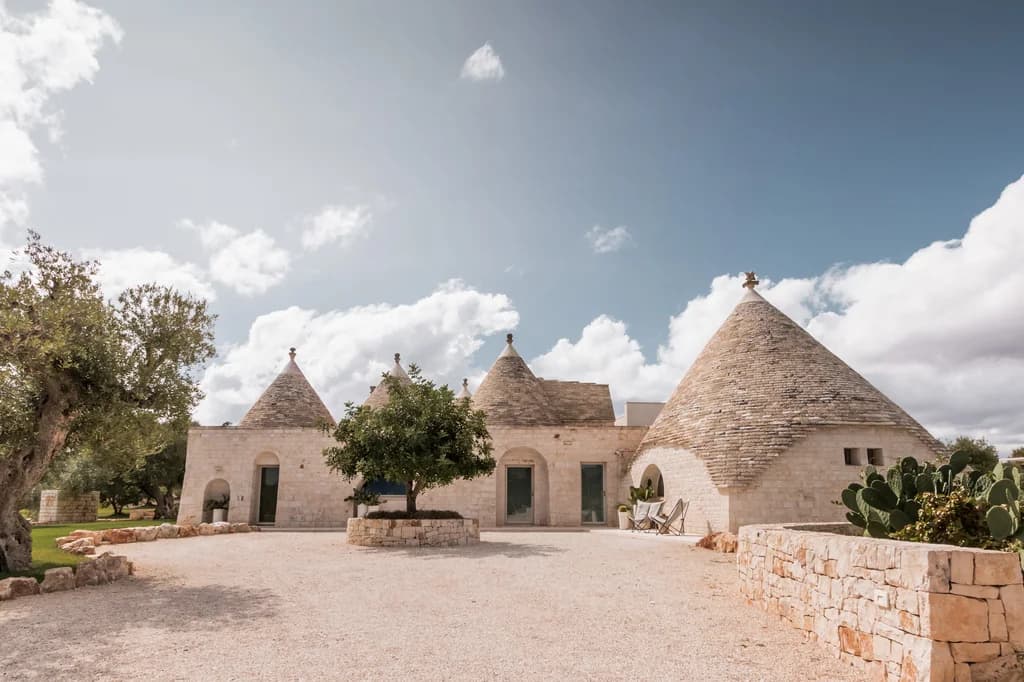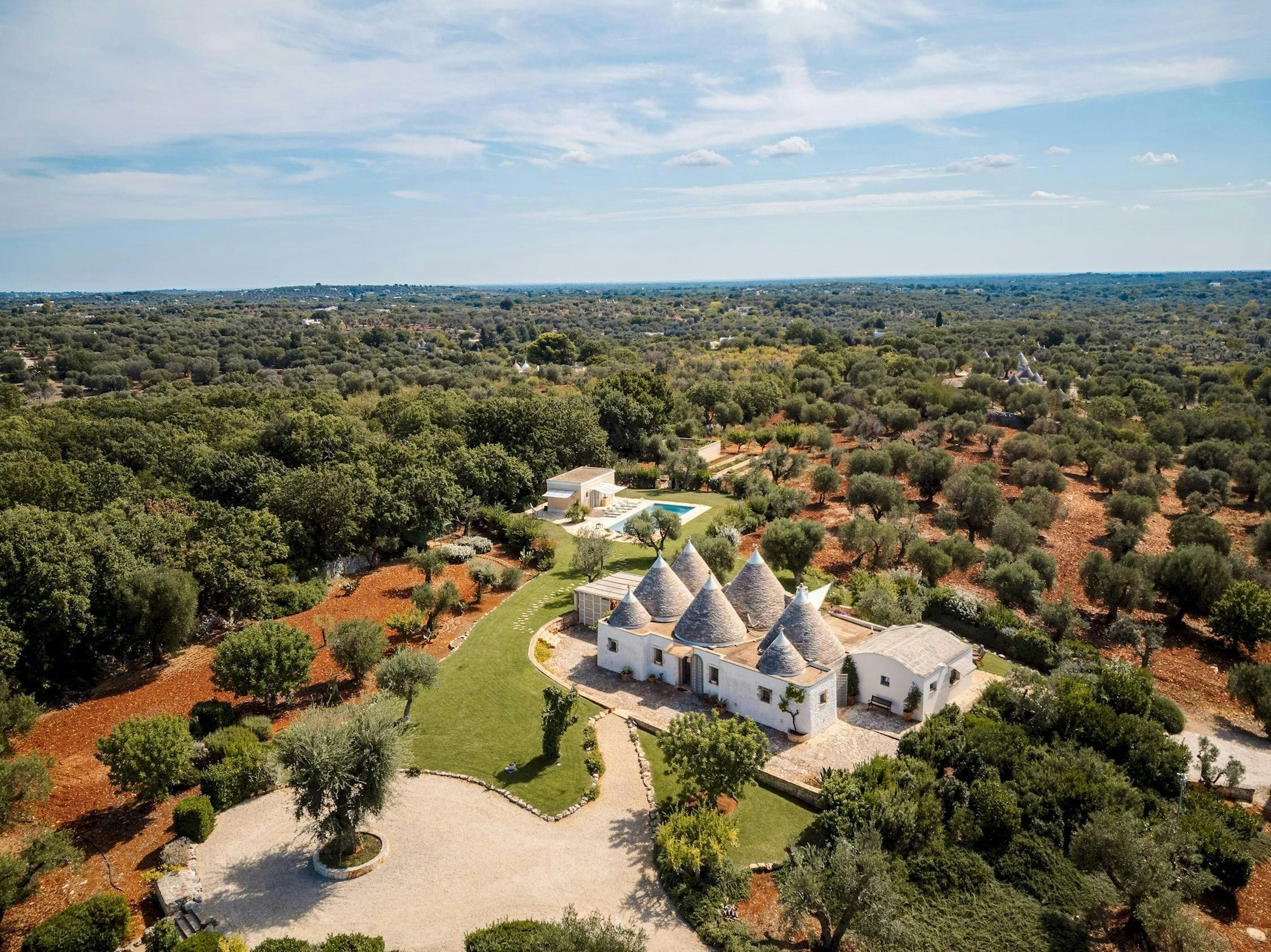

Puglia stretches over 19,000 square kilometres along the heel of Italy's boot, making it the country's longest region from north to south at roughly 350 kilometres. That geography matters when you are planning a trip, because conditions in the Gargano promontory can differ markedly from those around Lecce or Santa Maria di Leuca. For most travellers, the best time to visit Puglia falls between mid-May and late June or from September into early October, when warm temperatures, thinner crowds and more reasonable pricing align beautifully. We have returned to the region across every season, and our guide to the best luxury villas in Puglia reflects that breadth of experience. Below, we walk through each month so you can match your priorities to the right window.
What is the weather like in Puglia by month?
Puglia enjoys a Mediterranean climate with hot, dry summers and mild, occasionally wet winters. Average highs range from around 11°C in January to 31°C or higher in August, while annual rainfall sits between 450 and 650 millimetres depending on whether you are on the coast or further inland on the Murge plateau. The region records approximately 300 days of sunshine per year, which helps explain why even a late-October trip rarely feels like a gamble.
Spring and autumn deliver the most comfortable conditions for exploring. Summer is reliable but intense. Winter brings short days and cooler spells but also a quieter, deeply local atmosphere that some travellers prefer.
Is spring the best time to visit Puglia?
Spring is our top recommendation for a first visit, particularly the window from late April through June. Temperatures climb from around 17°C in early April to a pleasant 27°C by mid-June, and the landscape responds with wildflowers across the Valle d'Itria and vivid green olive groves running down towards the Adriatic.
April: what should we expect?
April brings average highs of 17 to 19°C, occasional rain showers and relatively few tourists outside the Easter period. You will find trulli accommodation around Alberobello and Locorotondo available at rates 30 to 40 per cent below peak summer pricing. Some beach clubs and coastal restaurants remain closed until late in the month, so focus your itinerary on inland towns, food markets and the Baroque architecture of Lecce. April also marks the tail end of the lampascioni (wild hyacinth bulb) season, a Puglian ingredient you will rarely encounter elsewhere.
May: does Puglia come alive?
May is when the region shifts gear. Highs reach 22 to 25°C, rain becomes infrequent and the sea temperature edges towards a swimmable 19 to 20°C for those who do not mind a brisk dip. Restaurants along the Polignano a Mare coastline reopen their terraces, and ferry services to the Tremiti Islands resume a fuller timetable. We consider mid-May to early June the single best window for combining sightseeing, food and beach time without contending with August-level crowds. Villa availability remains good, though the most sought-after masseria conversions begin to book up. If you plan to stay at a top-rated boutique hotel in the Itria Valley, we suggest confirming at least eight to ten weeks ahead.
June: when does peak season begin?
June marks the transition into high season. Average highs sit at 27 to 29°C, rainfall is negligible and the sea reaches 22 to 23°C. Italian school holidays start in the second week of June, and domestic tourism picks up quickly after that. Coastal towns like Monopoli, Otranto and Gallipoli see a noticeable jump in foot traffic from mid-June. Pricing at quality properties begins to climb towards summer rates, though the first two weeks of June still feel distinctly less pressured than July. Book outdoor experiences, such as kayaking the sea caves near Santa Cesarea Terme, during this fortnight while operators are less stretched.
What is summer really like in Puglia?
Summer in Puglia is hot, bright and busy. July and August deliver average highs of 30 to 33°C, humidity that stays moderate thanks to coastal breezes, and virtually no rain. The Salento peninsula, in particular the stretch between Gallipoli and Santa Maria di Leuca, becomes the beating heart of Italian beach culture.
July and August: worth the heat and the crowds?
If your priority is beach life, evening passeggiata through Ostuni's white streets and long outdoor dinners, then July and August deliver in full. Water temperatures reach 25 to 27°C, making the Adriatic genuinely warm. Lido culture thrives, with organised beach clubs at spots like Torre dell'Orso and Baia dei Turchi providing sunbeds, fresh seafood and a sociable atmosphere.
The trade-offs are real, however. Accommodation prices peak, with high-quality masserie and villas often commanding rates two to three times their April equivalents. Advance booking of 12 to 16 weeks is advisable for anything special. Roads around Lecce, Ostuni and the coastal towns clog at weekends, so if you hire a car, plan day trips for weekdays. The Ferragosto holiday on 15 August brings domestic tourism to its absolute zenith: restaurants require reservations days ahead, and some boutique properties impose minimum stays of seven nights.
One advantage of visiting during high summer is the festival calendar. The Notte della Taranta in Melpignano, typically held in late August, draws tens of thousands for a celebration of Salentine pizzica music. Smaller sagre (food festivals) pop up across almost every town, celebrating everything from octopus to orecchiette.
Why is the Puglia shoulder season so rewarding?
September and October represent our second-favourite period, and for certain types of travellers, they surpass spring entirely. The Puglia shoulder season combines warm temperatures, thinning crowds and harvest-season gastronomy in a way that feels effortlessly generous.
What makes Puglia in September special?
September is a superb month. Average highs hover between 26 and 28°C, the sea retains its summer warmth at 24 to 25°C, and tourist numbers drop sharply after the first week as European schools resume. You can swim at beaches near Polignano a Mare or along the Ionian coast around Porto Cesareo without jostling for space, then drive inland to find the olive and grape harvests getting under way.
Puglia in September also rewards food-focused travellers. Primitivo di Manduria grapes reach peak ripeness, and many wineries around Manduria and Sava welcome visitors for tastings and harvest experiences. Restaurants shift their menus towards aubergine, figs, fresh almonds and the first pressings of new-season olive oil. We found the quality of dining during a mid-September stay in Cisternino to be every bit as impressive as a summer visit, with none of the wait times.
Villa and hotel pricing drops meaningfully from the second week of September, and availability opens up. Properties that require long-lead summer bookings often have rooms for stays confirmed just three to four weeks ahead. Our collection of the best places to stay in Lecce includes several addresses that shine in this quieter shoulder window.
Is Puglia in October still warm enough?
October averages 20 to 23°C in the first half of the month, dipping towards 17 to 19°C by the final week. The sea cools to around 21°C early on, still pleasant for a swim, though by late October most beach infrastructure has packed away for the year. Rainfall increases slightly, averaging four to six rainy days across the month, but showers tend to be short and rarely derail a full day.
Puglia in October is ideal for touring. The trulli towns, Lecce's Baroque churches, the cave dwellings of Matera (just across the border in Basilicata, roughly a 60-minute drive from Taranto) and the Castel del Monte all benefit from lower visitor numbers and softer light. Accommodation rates continue to fall, and you can find excellent masserie at up to 50 per cent below their August prices. If cultural exploration, long lunches in Ostuni and evening strolls through quiet piazzas appeal more than beach days, October is hard to beat.
What about visiting Puglia in winter?
Winter in Puglia is mild by northern European standards but distinctly cooler than the rest of the year, with average highs of 11 to 14°C from December through February. Rainfall peaks in November and December, averaging seven to nine wet days per month. Some coastal hotels and restaurants close entirely from November to March, particularly in the Salento.
That said, Lecce, Bari and Taranto remain lively year-round. Lecce's Christmas markets and elaborate cartapesta (papier-mâché) nativity displays draw regional visitors, and the city's restaurants serve hearty winter dishes like ciceri e tria (chickpea and fried pasta) and braised horse meat. Hotel rates drop to their lowest point, and you can explore major sites, including the Grotte di Castellana caves and the Romanesque cathedral in Trani, in near solitude.
We find winter rewarding for a shorter three-to-four-night city break centred on Lecce or Bari rather than a full regional tour. Pack layers and a rain jacket, and plan indoor activities such as cooking classes, olive oil mill visits and museum days as a buffer against the occasional grey spell. Our guide to winter breaks in southern Italy covers this in more detail.
How far ahead should we book?
Booking lead times in Puglia vary dramatically by season. For July and August, we recommend reserving accommodation 12 to 16 weeks in advance, and the best properties often fill even earlier. A June or September stay at a popular masseria or boutique hotel typically requires six to ten weeks' notice. Outside those months, three to four weeks generally suffices, though we always suggest booking sooner when your dates are fixed.
Flights into Bari Karol Wojtyla Airport and Brindisi Salento Airport see the widest choice of routes from May to October. Low-cost carriers operate seasonal schedules, so checking availability early avoids limited options. Hire car rates follow a similar pattern: summer prices can double compared to spring or autumn, and collecting from Brindisi rather than Bari sometimes saves a meaningful amount.
For travellers wanting a curated itinerary with handpicked accommodation, our Puglia trip-planning service can handle logistics so you focus on the experience rather than the spreadsheet.
When to visit Puglia: a quick month-by-month summary
| Month | Avg high (°C) | Sea temp (°C) | Crowd level | Our take | |---|---|---|---|---| | January | 11 | 14 | Very low | City breaks only | | February | 12 | 13 | Very low | Carnival in Putignano | | March | 14 | 14 | Low | Early spring touring | | April | 17 to 19 | 15 to 16 | Low to moderate | Great for inland exploration | | May | 22 to 25 | 19 to 20 | Moderate | Our top pick alongside June | | June | 27 to 29 | 22 to 23 | High (rising) | Excellent all-round month | | July | 30 to 32 | 25 to 26 | Very high | Peak beach season | | August | 30 to 33 | 26 to 27 | Maximum | Hot, busy, festive | | September | 26 to 28 | 24 to 25 | Moderate (falling) | Superb shoulder month | | October | 20 to 23 | 21 to 22 | Low to moderate | Ideal for touring and food | | November | 16 | 18 | Low | Season winding down | | December | 12 | 15 | Low | Lecce Christmas markets |
Frequently asked questions
What is the best time to visit Puglia for beach holidays?
Mid-June to mid-September gives you the warmest sea temperatures and the fullest range of beach services. For the sweet spot of warm water without extreme crowds, aim for the first two weeks of June or the second and third weeks of September.
Is Puglia in September too quiet?
Not at all. The first half of September still hums with visitors and most restaurants, beach clubs and tour operators remain fully active. Crowds thin after the first week but the atmosphere stays lively, particularly in Lecce, Ostuni and the coastal towns of the Salento. We consider Puglia in September one of the most enjoyable times of the entire year.
How hot does Puglia get in August?
August temperatures regularly reach 33 to 36°C, occasionally higher during heatwave events. Coastal areas benefit from sea breezes that make the heat more tolerable, but inland towns like Martina Franca and the outskirts of Lecce can feel oppressive in the early afternoon. Plan activities for mornings and evenings, and retreat to your pool or a shaded restaurant during the hottest hours.
When is the cheapest time to visit Puglia?
November through March, excluding the Christmas and New Year fortnight, brings the lowest accommodation and flight prices. You can expect rates 50 to 60 per cent below summer peaks. April, early May and late October also represent good value with significantly better weather than deep winter.
Can we visit Puglia in October and still swim?
Yes, particularly in the first half of the month. Sea temperatures around 21 to 22°C feel refreshing rather than cold, and sunny days with highs near 23°C make a beach afternoon entirely feasible. By late October the water cools further and most lido operators close, but quiet coves around Otranto and Santa Cesarea Terme remain accessible for independent swims.
How many days do we need in Puglia?
We suggest a minimum of five nights to cover the key areas comfortably: two nights in or near Lecce for the Baroque centre and Salento beaches, two nights in the Itria Valley for trulli villages and food experiences, and one night in or near Bari for the old town and the coastal drive north towards Trani. A week to ten days allows for a more relaxed pace, with time for day trips to Matera, the Gargano coast or the Tremiti Islands.