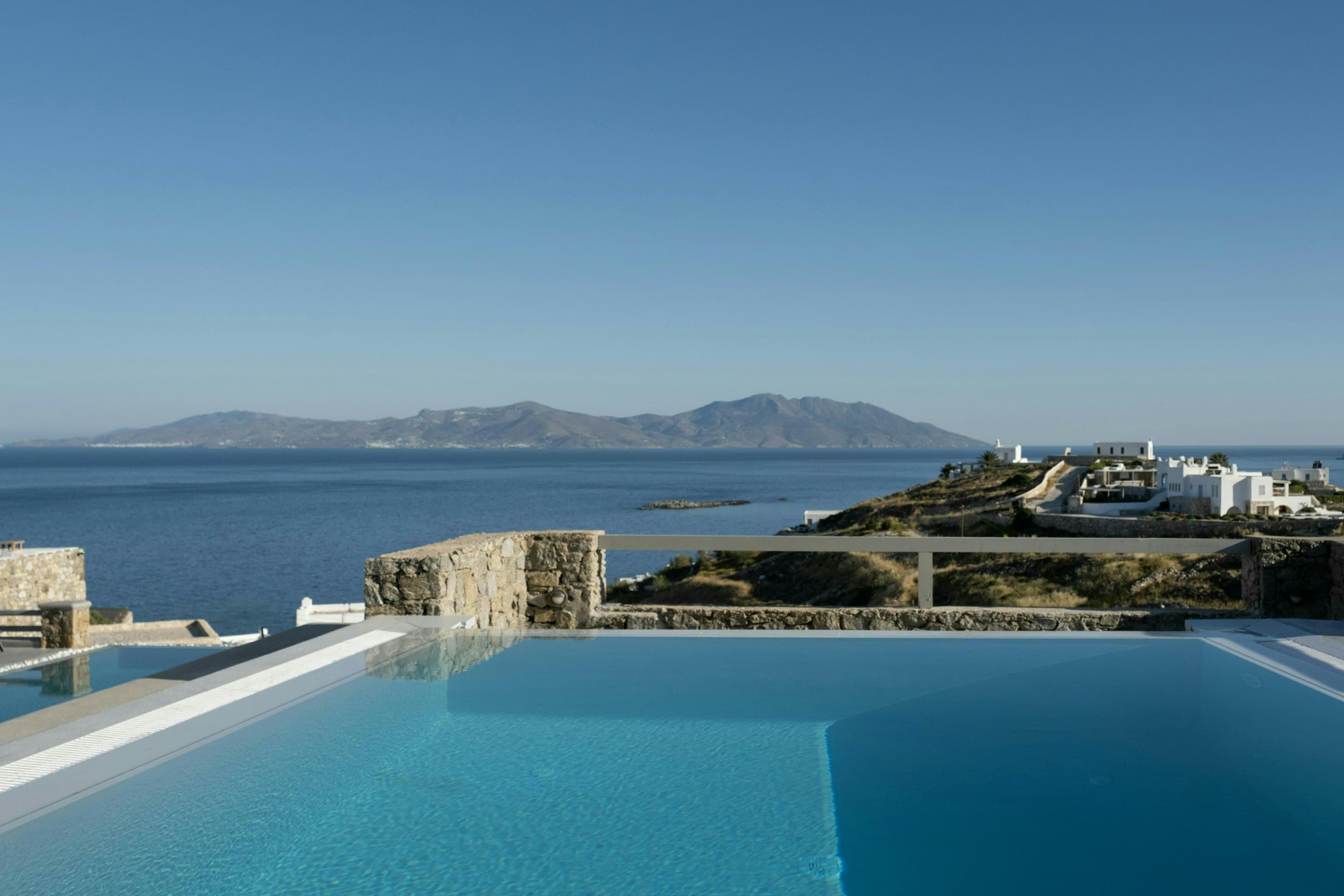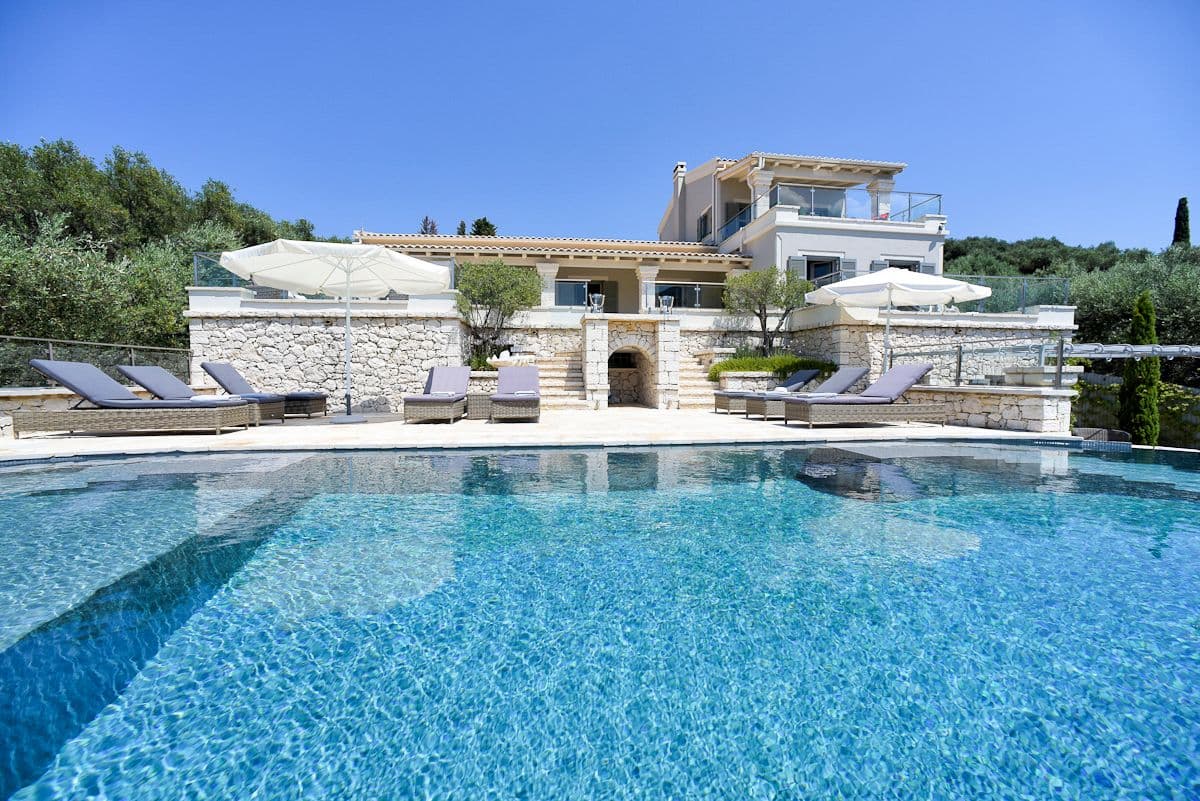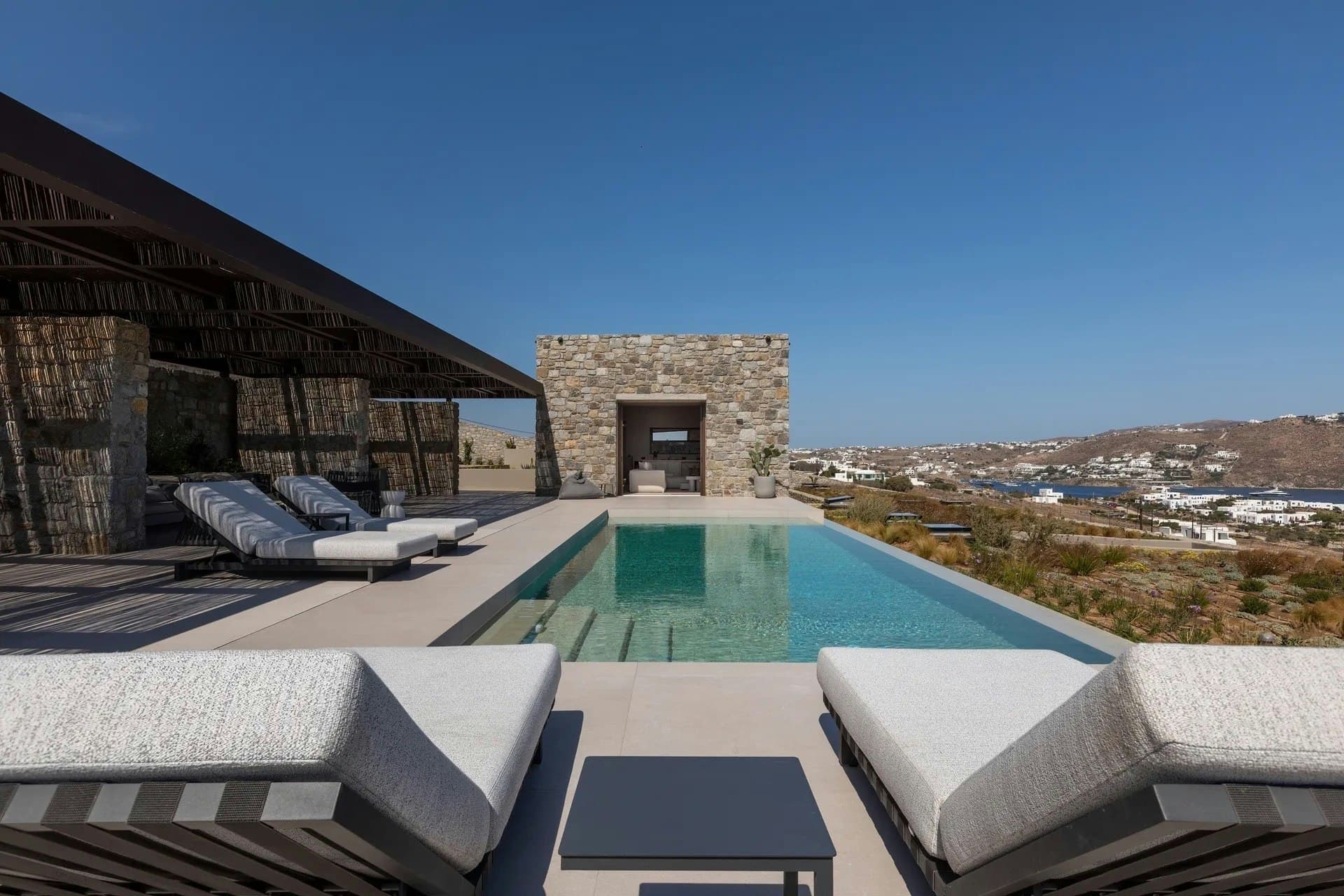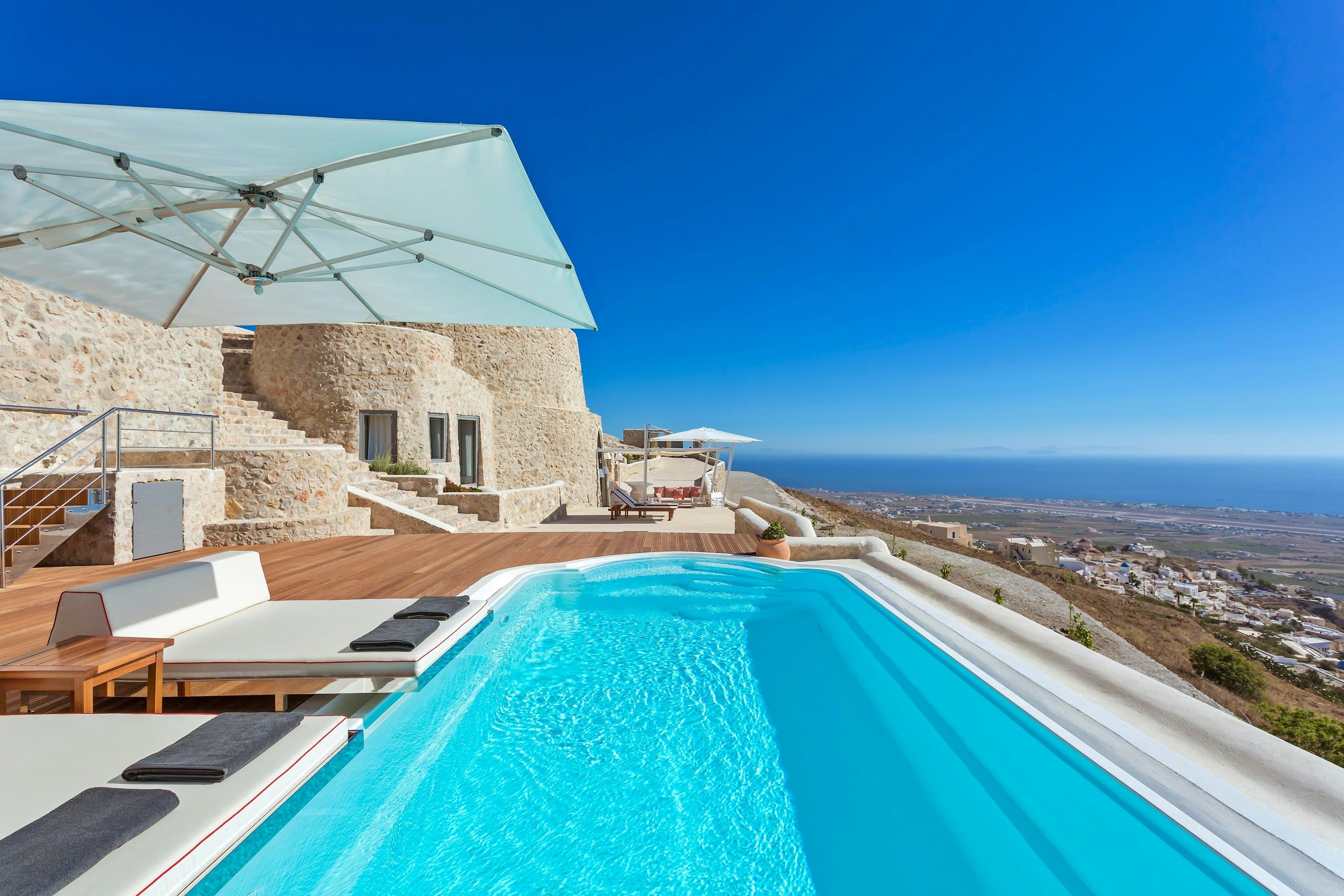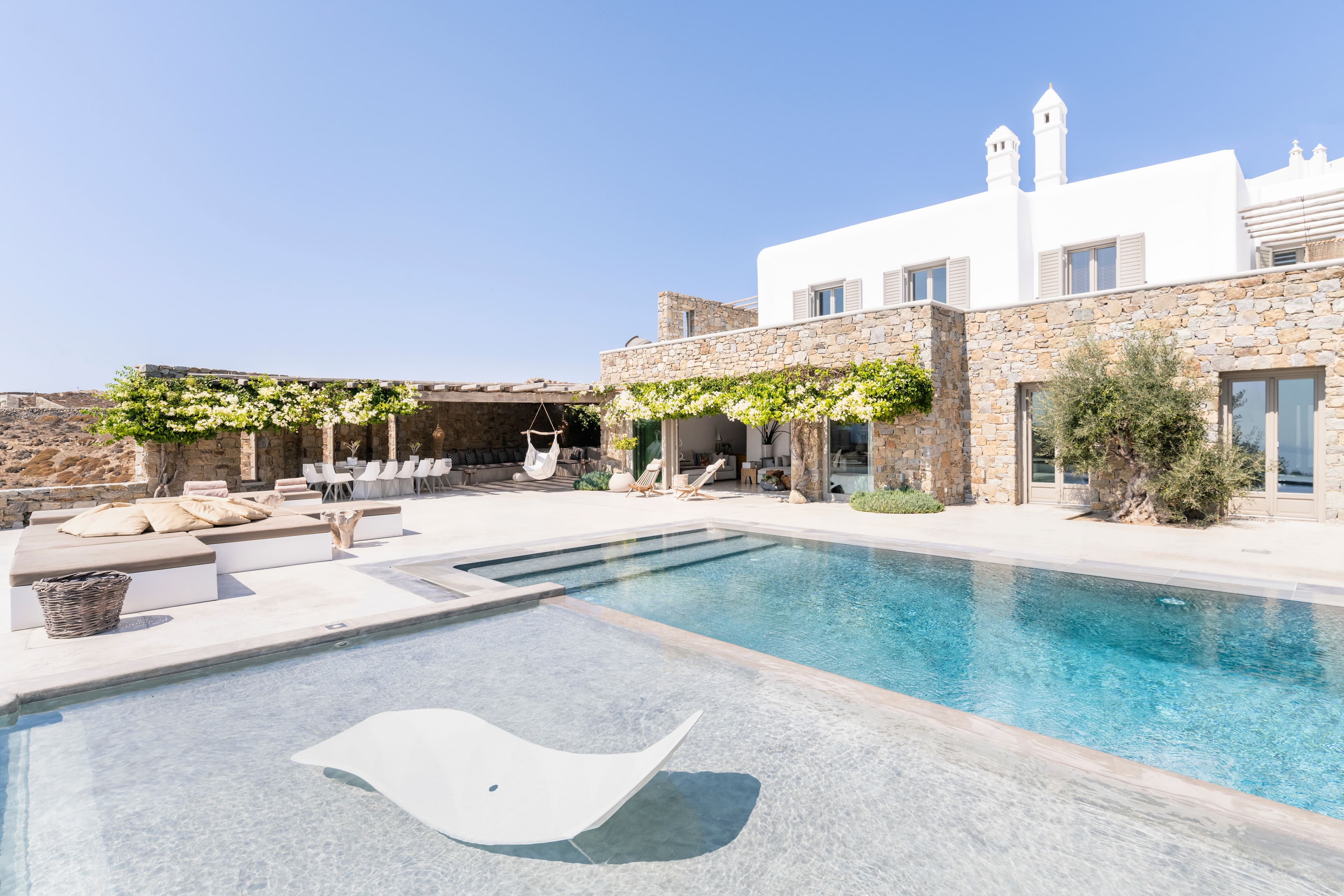
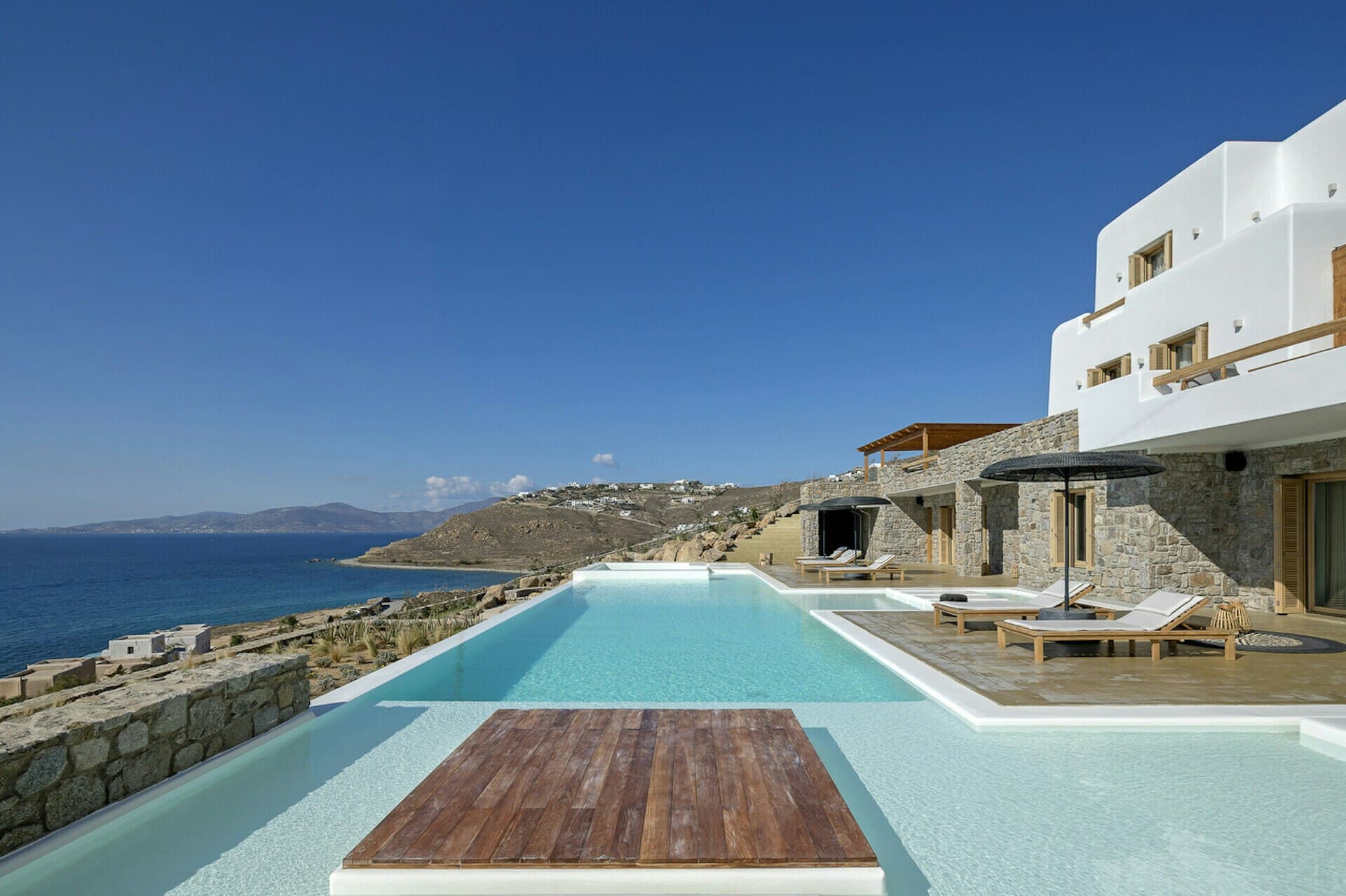
Greece spans roughly 131,960 square kilometres across a mainland peninsula and more than 6,000 islands, of which only around 230 are inhabited. That extraordinary spread of geography means choosing where to stay is less about finding a single "best" base and more about matching the landscape to the kind of holiday you want. We have spent years returning to different corners of the country, from the volcanic cliffs of Santorini to the forested interior of the Pelion peninsula, and every visit has reinforced one conviction: Greece rewards specificity. Our curated collection of Greek properties reflects that philosophy, prioritising character, privacy and a genuine sense of place over generic resort convenience.
What follows is our honest guide to six distinct areas, covering islands, mainland and the villas that make each region worth the journey.
Why choose the Cyclades for a first visit?
The Cyclades sit in the central Aegean Sea and include some of Greece's most recognisable islands: Santorini, Mykonos, Paros, Naxos and Milos among them. Direct flights from many European cities serve Santorini (JTR) and Mykonos (JMK) between April and October, making the group one of the most accessible archipelagos in the Mediterranean.
What sets Santorini apart from the other Cycladic islands?
Santorini's caldera, formed by a volcanic eruption around 3,600 years ago, creates a dramatic cliff face along the island's western edge. The villages of Oia, Imerovigli and Fira line this rim, their white cubes and blue domes tumbling towards the water hundreds of metres below. For couples and small groups, private villas in Greece rarely come with a more theatrical backdrop than a caldera-facing terrace at sunset.
The island is compact: a hire car can cover the 18 kilometres from Fira to Oia in about 25 minutes outside peak traffic. We recommend staying in Imerovigli or the quieter southern end near Megalochori if you want the views without the cruise-ship crowds that flood Oia between 10am and 4pm from June to September.
Is Paros a good alternative to Mykonos?
Paros delivers much of the Cycladic charm, traditional villages, excellent tavernas, reliable Meltemi winds for sailing, at a gentler pace and lower price point than Mykonos. The port town of Parikia connects by fast ferry to Athens (Piraeus) in around three and a half hours, and a new wave of tasteful boutique properties and villas with private pools has raised the accommodation standard considerably over the past five years.
Families will find Paros particularly rewarding. The beaches at Golden Beach (Chrysi Akti) and Santa Maria are shallow and sheltered enough for young children, while the village of Lefkes, set inland among olive groves and marble-paved paths, gives older children a taste of traditional Greek life without a souvenir shop in sight.
What makes Crete different from the other islands?
Crete is the largest Greek island, stretching roughly 260 kilometres from east to west, and functions almost as a country within a country. Two international airports, Heraklion (HER) and Chania (CHQ), receive direct flights from the UK, Germany, France and Scandinavia throughout the summer season.
Where should we stay on Crete?
The western third of the island, anchored by the Venetian harbour town of Chania, tends to suit travellers who want a mix of coastal relaxation, mountain walking and good food. The Apokoronas region, east of Chania along the northern coast, has become one of the most sought-after areas for villas in Greece with private pool, thanks to its combination of hilltop stone houses, clear swimming coves and easy access to the Samaria Gorge.
The south coast around Sfakia and Loutro remains genuinely remote. No coastal road connects the villages; you arrive by boat or on foot along the E4 long-distance trail. We would not recommend it for anyone who dislikes improvisation, but for experienced walkers and those craving solitude, it is extraordinary.
Eastern Crete, around Agios Nikolaos and Elounda, carries a more polished resort feel. The converted estates and farmhouse villas here tend to be larger, often sleeping eight to twelve guests, with mature gardens, staff and sea views across Mirabello Bay.
How do we get around Crete?
A hire car is essential. Public buses connect the main north-coast towns reliably, but reaching the best beaches, gorges and mountain villages requires your own wheels. Roads in the White Mountains can be narrow and steep; we suggest a vehicle with decent clearance if you plan to explore the interior. Budget 60 to 90 minutes for the drive from Chania airport to the Apokoronas coast, depending on traffic and the number of roadside bakeries you stop at.
Is the Ionian coast a better fit for families?
The Ionian islands, Corfu, Kefalonia, Zakynthos, Lefkada and Paxos, face Italy across the Adriatic and receive more rainfall than the Aegean group. That moisture produces a landscape of cypress forests, olive groves and a lushness that feels almost Caribbean in high summer.
Why do we recommend Corfu for young families?
Corfu's northeast coast, from Kassiopi down to Kalami, combines calm, pebble-fringed bays with a good concentration of family-friendly villas. The airport (CFU) sits just south of Corfu Town, and most northeast villas are reachable in 40 to 60 minutes. Lawrence Durrell wrote about Kalami in the 1930s, and the bay's sheltered water still draws swimmers and small-boat sailors today.
What distinguishes the better Ionian properties is their green, garden setting. Expect mature lemon trees, bougainvillea-covered terraces and lawns that run to the waterline, a contrast to the volcanic rock and minimalist geometry of the Cyclades. Our Corfu villas guide covers the best options in more detail.
Is Kefalonia worth the extra effort?
Kefalonia rewards travellers who want scale and drama. The island's interior rises to Mount Ainos at 1,628 metres, and the coastline alternates between towering white cliffs and beaches such as Myrtos, where turquoise water meets a steep sweep of white pebble. The 2023 expansion of Kefalonia's airport (EFL) has improved direct connections from the UK, with seasonal flights from London, Manchester and Birmingham.
Private villas in Greece on Kefalonia tend to cluster around Fiscardo in the north, a harbour village spared by the 1953 earthquake that levelled much of the island. Properties here often occupy restored Venetian-era buildings with colourful shutters, stone staircases and roof terraces overlooking the strait towards Ithaca.
Should we consider the Peloponnese instead of the islands?
The Peloponnese peninsula connects to mainland Greece by the narrow Corinth Canal and provides a remarkable density of archaeological sites, mountain villages and coastal scenery without requiring a ferry crossing. Athens International Airport (ATH) is the gateway, with the drive to the eastern Peloponnese coast taking around two to three hours depending on your destination.
Which part of the Peloponnese suits villa holidays?
The Mani peninsula, the central finger of land that drops south from Kalamata, is where we send guests who want stark beauty, tower-house architecture and empty beaches. Traditional Maniot towers, many now converted into villas in Greece with private pool, are built from grey stone and stand three or four storeys tall, originally designed as family fortifications during centuries of clan feuding.
Further north, the area around Nafplio, Greece's first modern capital, combines Venetian architecture, a lively restaurant scene and proximity to Mycenae, Epidaurus and Ancient Corinth. A villa within 20 to 30 minutes' drive of Nafplio gives you both a cultural base and easy access to the sandy beaches of Tolo and Karathona.
We find the Peloponnese suits couples and small groups who have visited the islands before and want to explore a less touristed side of the country. It also suits those who prefer to build a holiday around a hire car itinerary rather than a single beachfront base.
What about the mainland and northern Greece?
The Pelion peninsula in Thessaly and the Halkidiki region east of Thessaloniki both repay a visit, particularly in May, June or September when temperatures are warm but manageable.
Why is Pelion so under-visited?
Pelion juts into the Pagasetic Gulf from the city of Volos, roughly a three-hour drive north of Athens or 90 minutes from Thessaloniki via the E75 motorway. Dense forests of beech, chestnut and plane trees cover the mountainous spine, and traditional stone villages, Makrinitsa, Tsagarada, Vizitsa, cling to the slopes with views of the sea below.
The accommodation here leans towards restored stone mansions rather than modern villa complexes. Rooms are timber-beamed and cool even in August, and many properties keep their own kitchen gardens. It feels closer to rural Tuscany than to the Cycladic islands, and we think that is precisely its appeal. Our guide to Greek mainland stays has more on the region.
Is Halkidiki suitable for a beach holiday?
Halkidiki's three peninsulas, Kassandra, Sithonia and the monastic Mount Athos, extend south from Thessaloniki into the northern Aegean. Kassandra draws a younger, livelier crowd. Sithonia is quieter and wilder, with pine-fringed coves that often remain uncrowded even in July. Thessaloniki's airport (SKG) sits about 60 to 90 minutes' drive from the main Sithonia beaches.
Villas on Sithonia tend to be newer builds with contemporary design, infinity pools and sea views. They suit groups of friends or multi-generational families who want excellent swimming, good local seafood tavernas and proximity to Thessaloniki's vibrant food scene for a day trip.
When is the best time to visit Greece?
Late May to late June and mid-September to mid-October represent the ideal windows. Temperatures hover between 24°C and 30°C across most regions, the sea is warm enough for comfortable swimming (particularly from June onwards), and flights and villas cost noticeably less than in the July to August peak.
July and August bring peak heat, often exceeding 35°C on the mainland and southern islands, alongside peak prices and peak crowds. We still recommend these months for the Ionian islands and northern Greece, where sea breezes and higher latitude keep conditions more comfortable.
Easter in Greece, which follows the Orthodox calendar and often falls one to five weeks after Western Easter, is a special time to visit the mainland. Processions, midnight services and communal feasting take over towns from Nafplio to Corfu. Many of the best private villas across Greece open their season around this time, so availability is good and rates are at their lowest.
For a detailed month-by-month breakdown, see our Greece travel calendar.