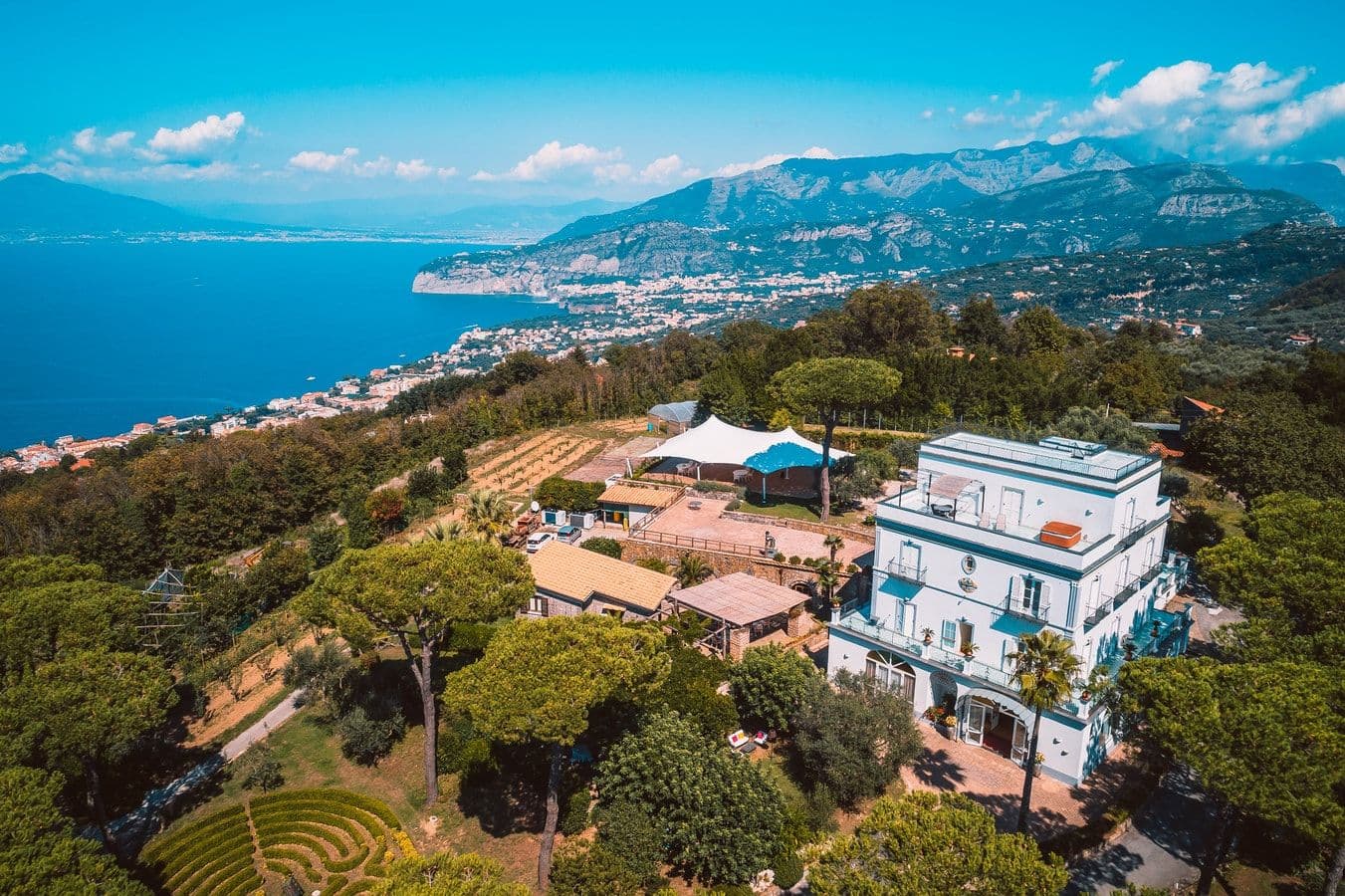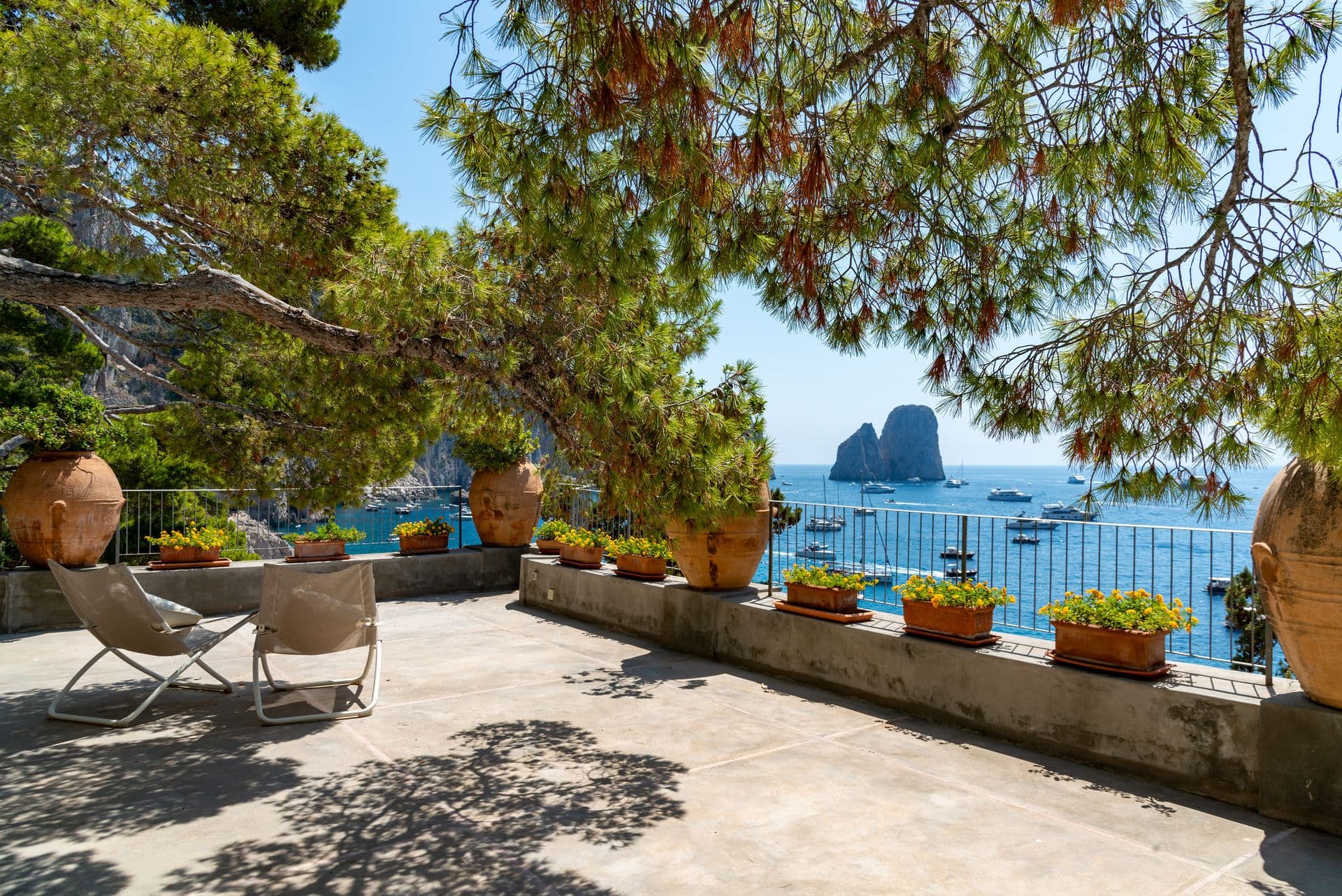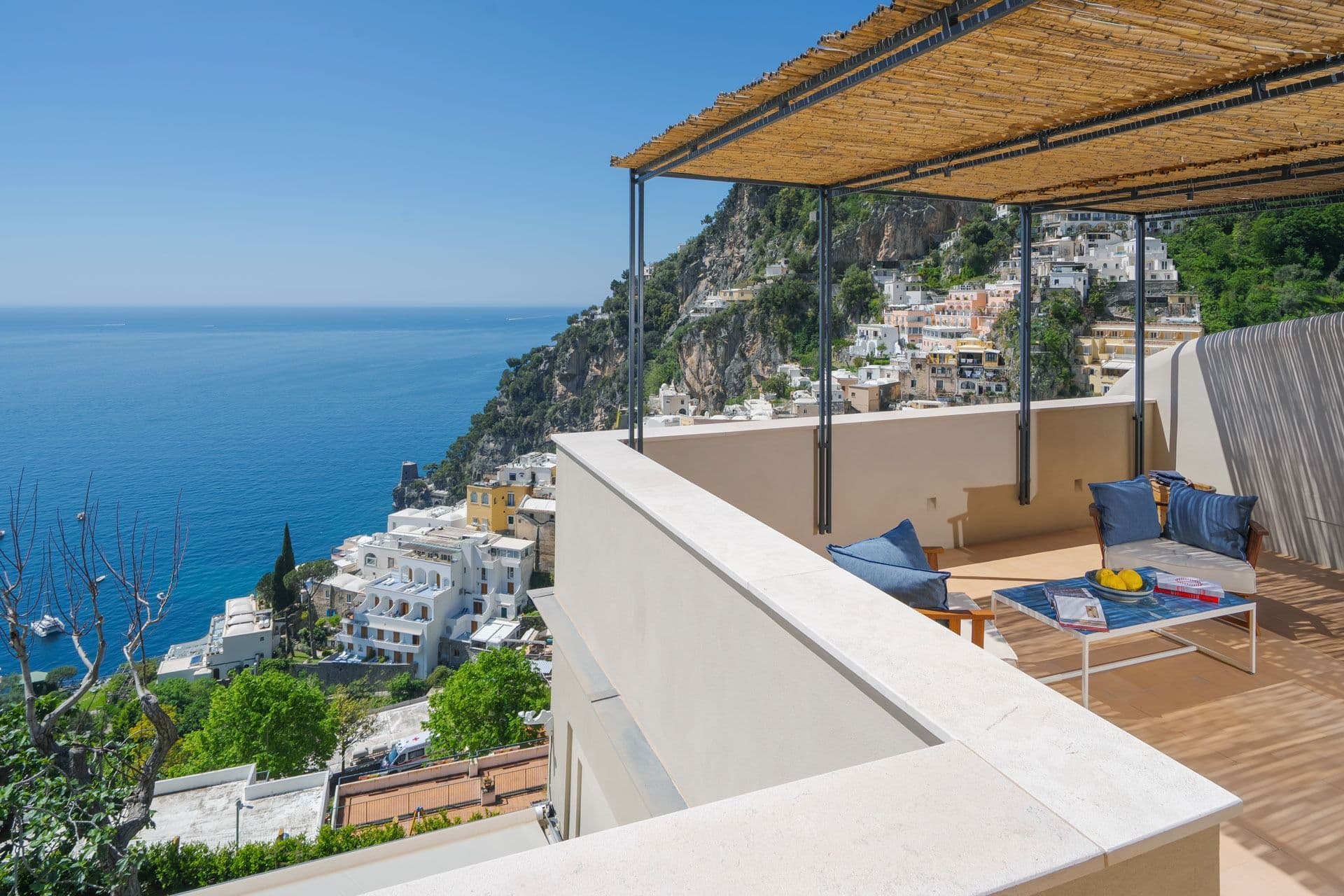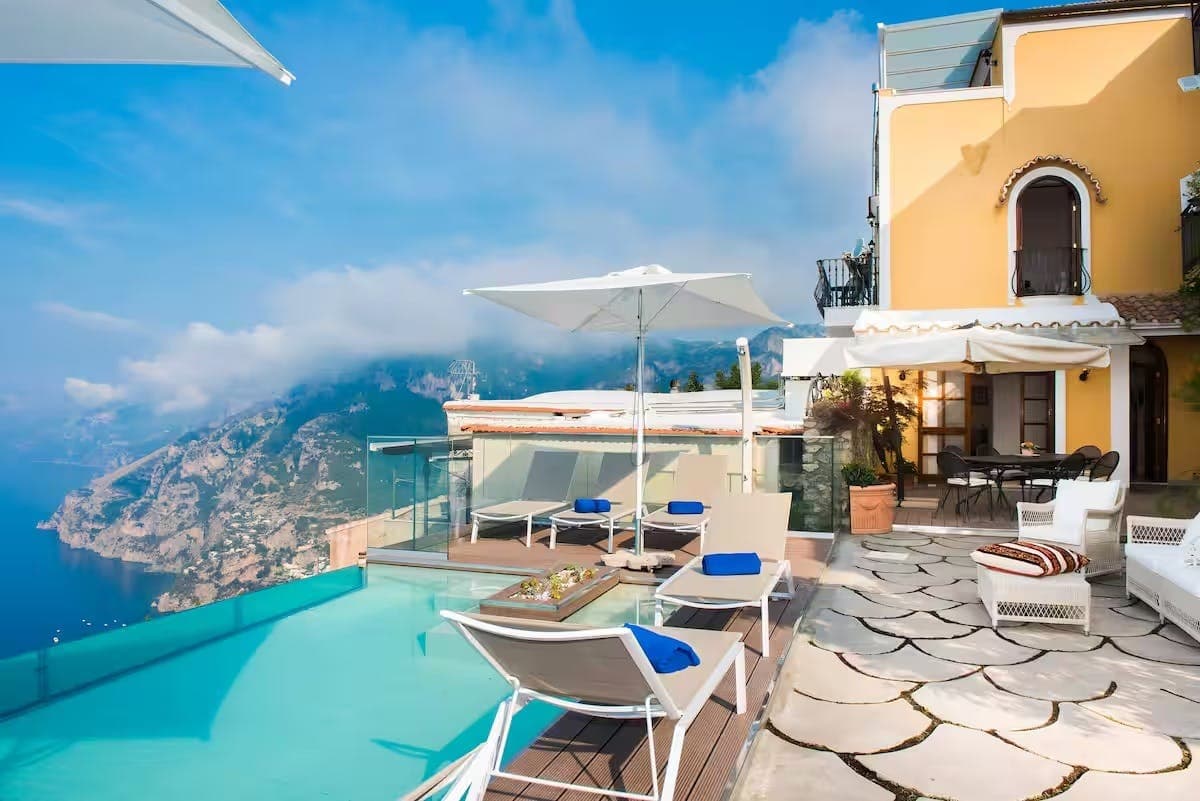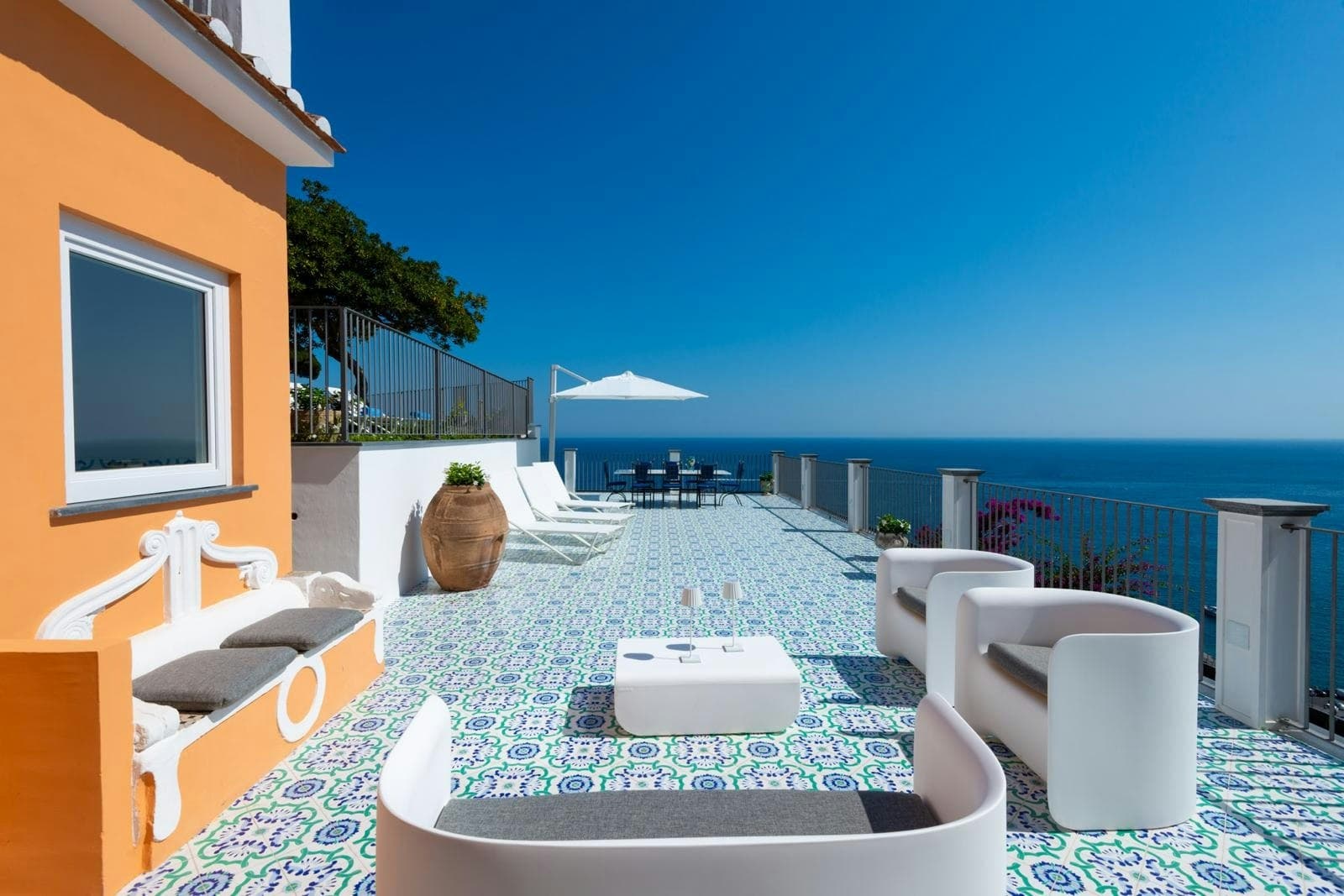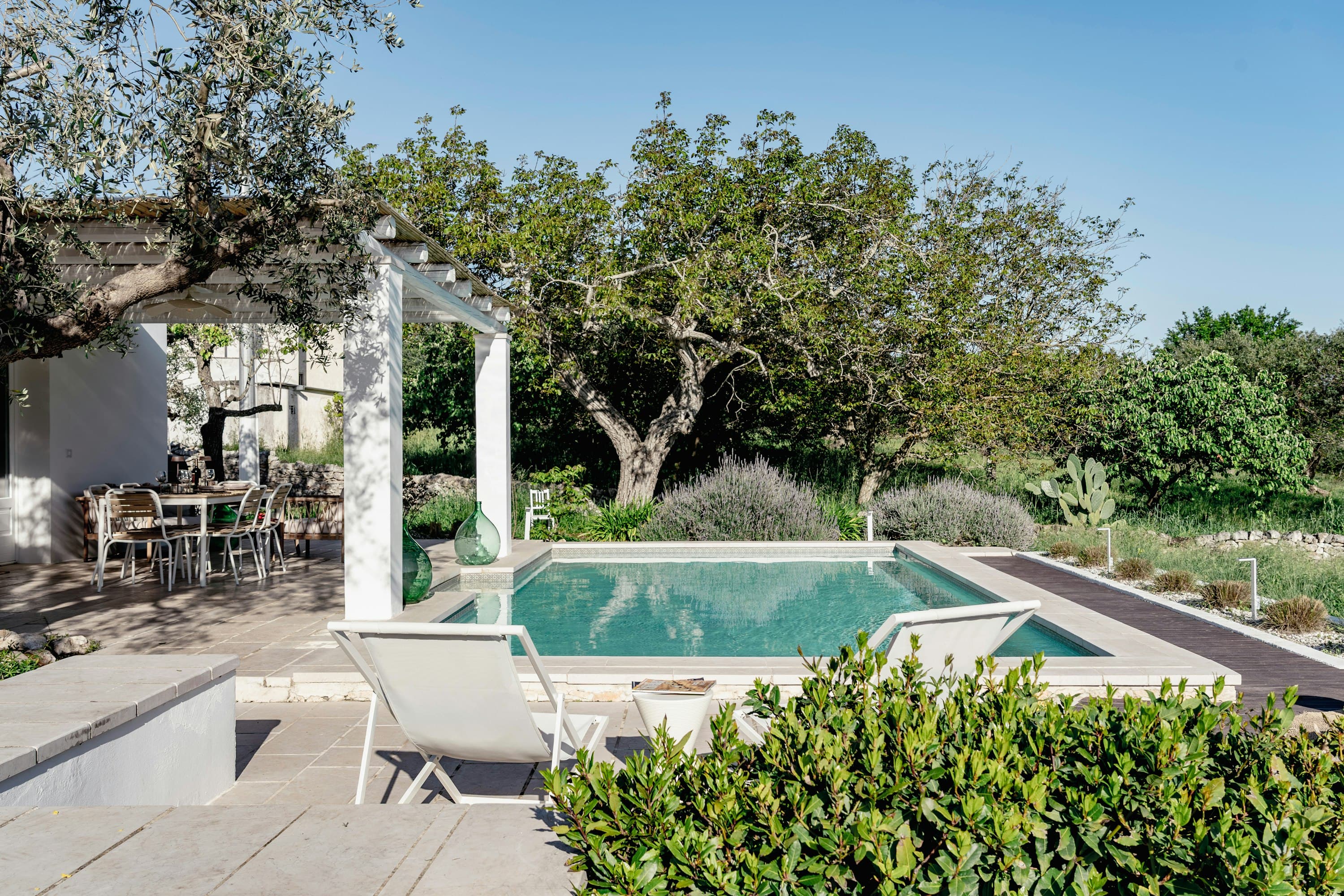
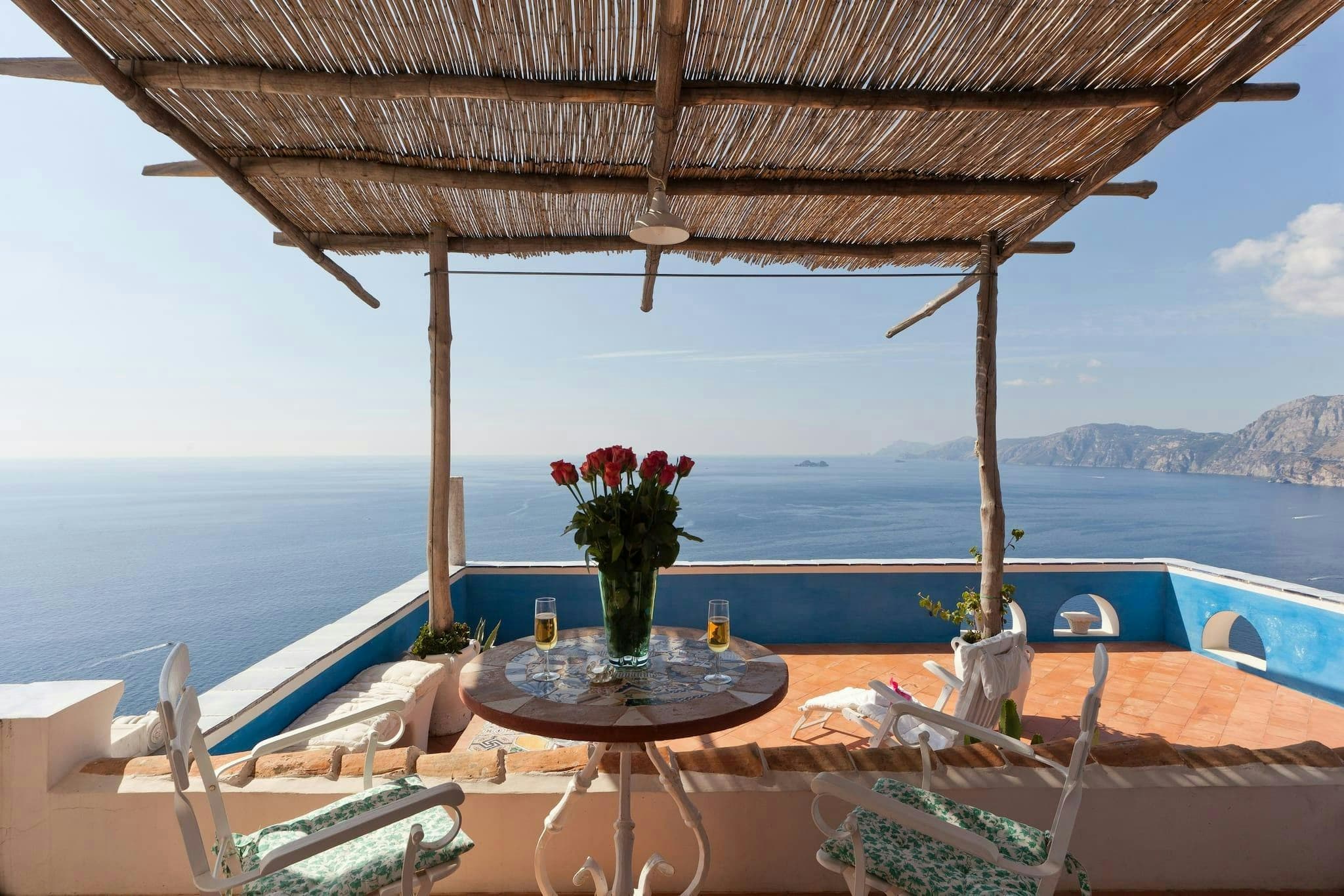
The Amalfi Coast stretches roughly 50 kilometres along the southern edge of Italy's Sorrentine Peninsula, a UNESCO World Heritage Site since 1997 that draws over five million visitors each year. Most travellers arrive with visions of turquoise water and sun-warmed rocks, and rightly so. But the coastline rewards those who look beyond the shoreline with centuries-old footpaths, ceramic workshops, hilltop vineyards and some of the most flavourful food in southern Italy. We have walked, eaten and explored our way along this coast many times, and the experiences that linger longest rarely involve a beach towel. If you are planning a visit, our guide to the best luxury hotels on the Amalfi Coast is a good place to start building your itinerary.
What are the best hikes on the Amalfi Coast?
The Path of the Gods (Sentiero degli Dei) is the single most celebrated walk along this coastline, and it earns its reputation. Running approximately 7.8 kilometres from Agerola to Nocelle, this ridge trail takes most walkers two to three hours at a comfortable pace. The route climbs to around 580 metres above sea level, tracking limestone cliffs high above Positano. We recommend starting from the Bomerano trailhead in Agerola, where a small car park and a handful of cafés make for an easy launch point. From Nocelle, a staircase of roughly 1,500 steps descends to Arienzo beach, or you can take the local bus down to Positano centre.
Hiking the Amalfi Coast extends well beyond this single trail. The Valle delle Ferriere walk begins just above Amalfi town and follows a narrow gorge to a protected nature reserve, home to a rare species of fern (Woodwardia radicans) that has survived here since the Tertiary period. The path is roughly 5 kilometres each way, mostly shaded, and the reserve charges a small entrance fee of around €5. It suits walkers who prefer forest canopy to exposed ridgelines.
For something more demanding, the network of trails connecting Ravello to Minori via the hamlet of Torello takes in ancient staircases, lemon groves and a Roman villa at the bottom. Allow 90 minutes to two hours for the descent, and plan your return by SITA bus. May to early June and September to mid-October bring the best walking conditions: warm but manageable temperatures and thinner crowds than the July to August peak.
Where should we eat beyond the tourist restaurants?
The coast's culinary identity rests on a handful of ingredients: lemons from Minori, anchovies from Cetara, fresh pasta and seafood pulled from the Tyrrhenian Sea that morning. Knowing where to eat makes all the difference between a forgettable plate and a meal you think about for months.
Bacco, Furore
Bacco sits in the tiny commune of Furore, roughly midway between Amalfi and Positano. Chef Erminia Cuomo's family has run this restaurant since 1930, and her tasting menus (€70 to €100 per person, approximately) showcase hyper-local ingredients. The totani ripieni, squid stuffed with breadcrumbs and capers, is a signature. Book at least a week ahead during summer. Furore itself is barely a village, so combining a meal here with a walk along the Fiordo di Furore makes for a superb half-day.
La Caravella, Amalfi
La Caravella on Via Matteo Camera in Amalfi town earned its Michelin star decades ago and has held it with quiet consistency. The dining room is modest by luxury standards, the service familial. Expect to pay €80 to €120 per person for a full meal with wine. Their take on scialatielli ai frutti di mare, the fat hand-rolled pasta ribbons typical of this coast, is a benchmark version. Reservations are essential from June through September.
Cetara's anchovy trail
The fishing village of Cetara, 15 minutes by car east of Amalfi, is the epicentre of colatura di alici production, a fermented anchovy sauce with roots stretching back to Roman garum. Acqua Pazza on Corso Garibaldi serves excellent raw and cured anchovy dishes at moderate prices (mains €15 to €30). For a more informal experience, pick up a jar of colatura from the Delfino shop near the harbour and ask them to point you towards the season's best batch. We keep a section on Italy's most rewarding food destinations if this kind of culinary depth appeals to you.
What cultural experiences should we prioritise?
Ravello, sitting 350 metres above the sea, has drawn writers, composers and artists for centuries. Richard Wagner composed parts of Parsifal during his stay at Villa Rufolo in 1880, and the annual Ravello Festival, running from late June through early September, fills the town with orchestral concerts, chamber music and film screenings. Performances take place on the garden terrace of Villa Rufolo, where the stage appears to float above the coastline. Tickets range from €25 to €100 and sell briskly, so booking via the festival's official site several weeks ahead is wise.
Villa Cimbrone, Ravello
Villa Cimbrone's gardens, on the opposite side of Ravello from Villa Rufolo, date to the early twentieth century. The Terrace of Infinity, a belvedere lined with marble busts, provides one of the most photographed views on the entire coast. Entry costs approximately €10. We find that arriving shortly after the 9am opening keeps the crowds manageable, even in August.
The Paper Museum, Amalfi
The Museo della Carta (Paper Museum) occupies a thirteenth-century paper mill on Via delle Cartiere in Amalfi town. Amalfi was one of the first centres of paper production in Europe, and this small museum preserves functioning machinery from the period. Guided demonstrations run every 30 to 45 minutes and last about 20 minutes. Admission is €4.50. It closes on certain winter days, so check ahead if visiting between November and February.
Ceramic workshops in Vietri sul Mare
Vietri sul Mare, the easternmost town on the coast, has produced hand-painted majolica ceramics since at least the fifteenth century. Ceramica Artistica Solimene, housed in a remarkable 1950s building designed by Paolo Soleri, is worth visiting for the architecture alone. Several smaller workshops along Corso Umberto I welcome visitors to watch artisans at work. If you enjoy this kind of artisanal tradition, you might also appreciate our guide to cultural experiences in southern Italy.
How do we get out on the water without just lying on a beach?
Boat hire along the Amalfi Coast opens up coves, sea caves and perspectives that roads simply cannot reach. Several operators in Amalfi harbour and Positano rent small motorboats (no licence required for boats under a certain engine size in Italy) for approximately €120 to €250 per half-day, fuel included. We particularly like the run from Amalfi towards the Grotta dello Smeraldo, an emerald-lit sea cave roughly 4 kilometres west of Amalfi town. You can also visit the cave by lift or stairs from the main road, with entry costing about €5.
Kayaking provides a quieter alternative. Amalfi Kayak Tours, operating out of Atrani, run guided morning paddles along the cliffs towards Conca dei Marini. Sessions typically last two to three hours, cost around €50 to €70 per person and require reasonable fitness. Early morning departures avoid both the midday heat and the wake from larger boats.
For a longer day on the water, ferries run regularly from Amalfi to Capri (roughly 80 minutes, around €25 each way) and to Salerno (35 minutes, around €8 each way). Travelmar and NLG operate the main routes. We recommend the Capri crossing for the approach alone, with the island's dramatic cliffs growing larger across the bow.
What are the best day trips from the Amalfi Coast?
Pompeii and Herculaneum sit within 40 to 60 minutes by car from the eastern end of the coast, and both sites deserve far more than a rushed morning. Herculaneum (Ercolano) is smaller and less crowded than Pompeii, with better-preserved upper floors, wooden beams and even carbonised food. Entry to each site costs approximately €16, or you can buy a combined ticket. Arrive when the gates open at 8:30am to walk the streets in relative quiet.
Ravello to Paestum
The Greek temples at Paestum, roughly 90 minutes' drive south from Ravello, predate the Parthenon and rank among the best-preserved Doric temples in existence. The archaeological park and museum charge approximately €12 for a combined ticket. The site never feels as crowded as Pompeii, and the adjacent mozzarella farms of the Piana del Sele produce some of the finest buffalo mozzarella in Campania. Stop at Tenuta Vannulo for fresh mozzarella and a brief farm tour (free, no booking required). Our southern Italy itineraries page covers routes that link these sites efficiently.
Salerno's old town
Salerno, the large port city anchoring the coast's eastern approach, tends to be overlooked by visitors heading straight for Amalfi or Positano. Its historic centre is compact and walkable, with an imposing eleventh-century cathedral, a pleasant lungomare and strong neighbourhood restaurants where prices sit well below Amalfi Coast averages. The Giardino della Minerva, a medieval botanical garden on Via Ferrante Sanseverino, claims to be one of the oldest botanical gardens in Europe. Entry is approximately €4.
Are there vineyards and farms worth visiting?
Marisa Cuomo's winery in Furore produces wine from terraced vineyards that cling to near-vertical slopes above the sea. Their Fiorduva, a white blend of Fenile, Ginestra and Ripoli grapes, is one of the most acclaimed wines in Campania. Visits to the cellar can be arranged by contacting the winery directly, and tastings typically cost €25 to €40 per person. The vineyards themselves, carved into the rock, illustrate the sheer physical effort behind Amalfi Coast agriculture.
Lemon groves line much of the coast, and the protected Sfusato Amalfitano lemon, larger and more aromatic than standard varieties, forms the base of the region's limoncello. Several farms between Minori and Maiori open their groves to visitors. Agriturismo Sole e Terra, above Maiori, runs guided walks through its terraces followed by tastings of limoncello, lemon marmalade and lemon cake. Sessions last about an hour and cost around €15.
For a deeper look into luxury stays with vineyard access across Italy, we have a dedicated collection worth browsing before you book.
Frequently asked questions
How many days do we need to explore the Amalfi Coast properly?
Five to seven days allow enough time to hike the Path of the Gods, eat well in several towns, visit Ravello and Pompeii, and spend at least one day on the water. Three days is manageable if you focus tightly on one section of the coast, but you will inevitably feel rushed.
What is the best way to get around the Amalfi Coast?
SITA buses run the main coastal road between Sorrento and Salerno, stopping at all major towns. Ferries connect Amalfi, Positano, Minori and Salerno from April through October. A hire car gives flexibility but demands confidence on narrow roads, and parking in Positano and Amalfi is both scarce and expensive, often €5 to €8 per hour in summer. We prefer a combination of ferries and buses, with occasional taxi transfers for hillside restaurants.
When is the best time to visit the Amalfi Coast?
May to mid-June and mid-September to mid-October bring warm temperatures (20 to 28°C), manageable visitor numbers and lower accommodation prices compared to July and August. The Path of the Gods and other coastal trails are most pleasant in these windows. Many hotels and restaurants close from November through March or early April.
Is the Amalfi Coast suitable for families with children?
Yes, though the terrain demands some planning. Stairways and steep paths connect most towns, so lightweight pushchairs work better than heavy prams. Beaches at Minori and Maiori are wider and more family-friendly than the narrow strips at Positano or Amalfi. Boat trips, the Paper Museum in Amalfi and gelato stops in every town keep younger travellers engaged.
Do we need to book restaurants and activities in advance?
During July and August, reservations at popular restaurants like Bacco or La Caravella are essential, often a week or more ahead. Boat hire and guided kayak tours also fill up quickly. In the shoulder months, a day or two of notice is usually sufficient. The Ravello Festival and Pompeii benefit from advance ticket purchases year-round to avoid queues.
How much should we budget for a week on the Amalfi Coast?
Costs vary enormously depending on your accommodation choices. As a rough guide for two people, expect €50 to €100 per day for meals at good but not extravagant restaurants, €30 to €50 for transport (buses, ferries, occasional taxis) and €20 to €40 for entrance fees and activities. Accommodation at the luxury end ranges from €300 to €800 per night, though excellent mid-range options exist in towns like Minori and Maiori.